
Hessie (Carmen Lydia Djuric): Cuban-born textile artist
Hessie (Carmen Lydia Djuric, 1936–2017) was a Cuban-born artist who developed a distinctive, hand-made approach to textile art and collage while living in France from 1962 until her death.
Carmen Lydia Djuric, known professionally as Hessie (17 April 1936 – 9 October 2017), was a Cuban-born artist best known for her minimalist, process-driven work in textiles and collage. She moved to France in 1962 and lived and worked there for the rest of her life. Hessie rejected formal artistic training and developed an original practice using humble, everyday fabrics and waste materials.
Image gallery
3 Images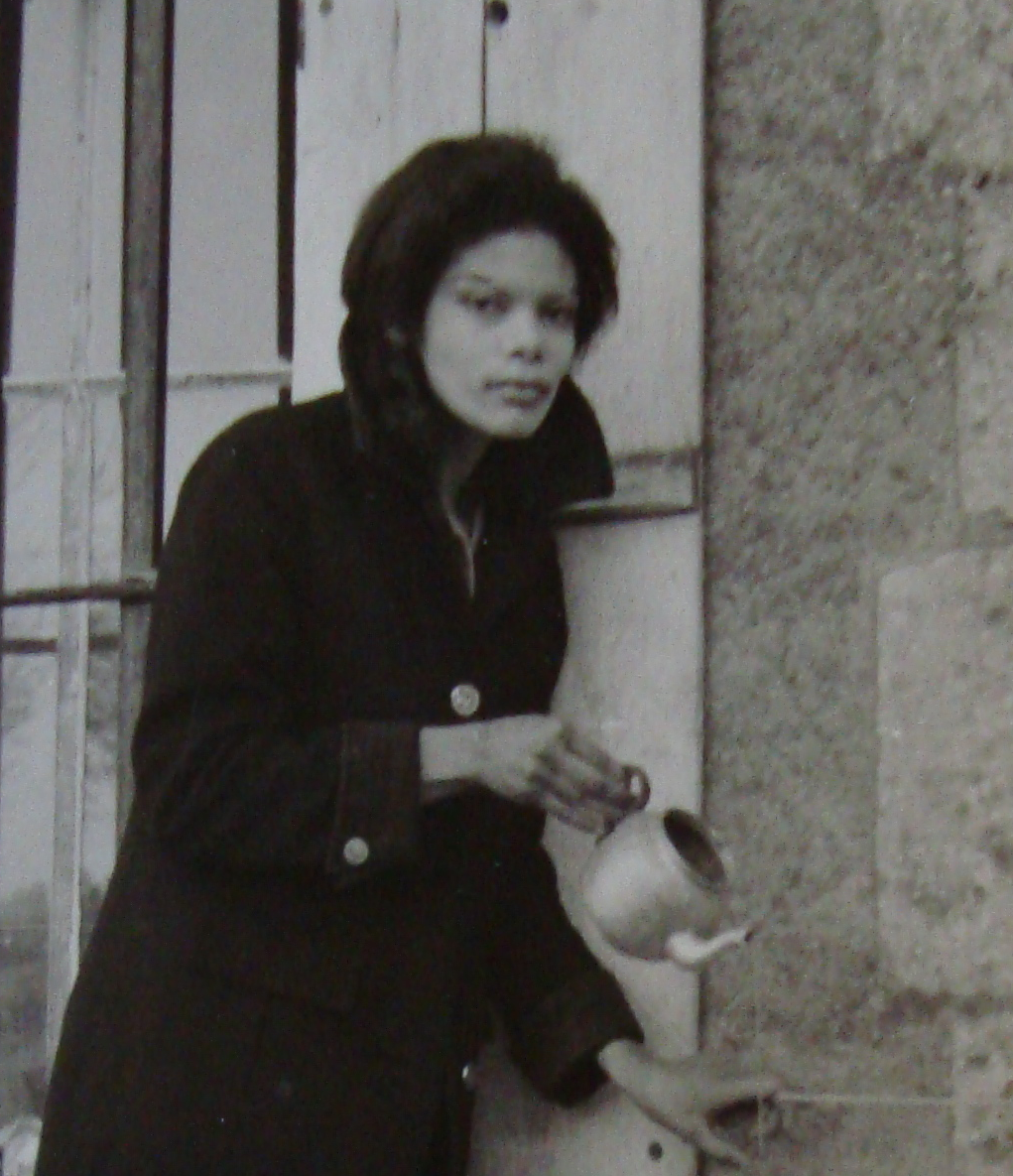


Life and development
Born in Cuba, Hessie relocated to Europe as part of a generation of international artists who settled in postwar France. Without attending art school, she explored the possibilities of cloth, thread and found paper beginning in the mid-1950s. Her practice evolved through careful handwork: cutting, sewing, arranging and collaging small textile elements into larger, serial compositions. She died in Pontoise, France, in 2017.
Materials and methods
Hessie's art relies on simple, inexpensive materials—cotton, muslin, scraps, offcuts and discarded paper. She emphasized manual labor and repetition, often producing works composed of many small, similar modules assembled into grids, panels or loose collages. Her techniques include stitching, layering and the careful placement of color through raw textile fragments.
Characteristics and themes
- Material focus: an insistence on cloth and textile remnants as primary media.
- Process orientation: visible handwork and repetition that reveal time and labor.
- Economy and restraint: pared-down palettes and simple forms.
- Collage and recycling: incorporation of waste materials as creative resources.
These features place Hessie at the intersection of textile tradition, craft-based labor and contemporary art practices that value materiality over illusionistic representation.
Legacy and significance
Although she remained relatively independent from major academic institutions, Hessie's work has been recognized for expanding the language of textile art and for asserting the artistic potential of domestic materials. Her pieces have been shown in exhibitions in Europe and form part of both private and public collections. She is often cited in discussions about the role of women’s handwork, sustainability through reuse, and the blurring of boundaries between art and craft.
Hessie's career exemplifies how modest means and persistent manual technique can produce a distinctive visual language that continues to influence artists working with textiles and collage today.
Related articles
Author
AlegsaOnline.com Hessie (Carmen Lydia Djuric): Cuban-born textile artist Leandro Alegsa
URL: https://en.alegsaonline.com/art/120621
Sources
- lesabattoirs.org : "Hessie, Survival Art - les Abattoirs"
- dado.virtual.museum : "Dado Djuric's Biography"
- cnewsmatin.fr : "L'artiste Hessie est décédée"