
Hermann von Helmholtz: contributions to physiology, perception and physics
German physician and physicist (1821–1894) whose work shaped physiology of perception, acoustics, thermodynamics and electrodynamics; inventor and influential science philosopher.
Overview
Hermann Ludwig Ferdinand von Helmholtz (31 August 1821 – 8 September 1894) was a German physician and physicist whose research bridged laboratory experiment, mathematical analysis and instrument design. Trained as a medical doctor, he applied physiological methods to study sensory systems and then extended his approach to problems in classical physics. His name appears across physics and physiology — for example in the Helmholtz Association of research centres — and several physical concepts and devices bear his name.
Image gallery
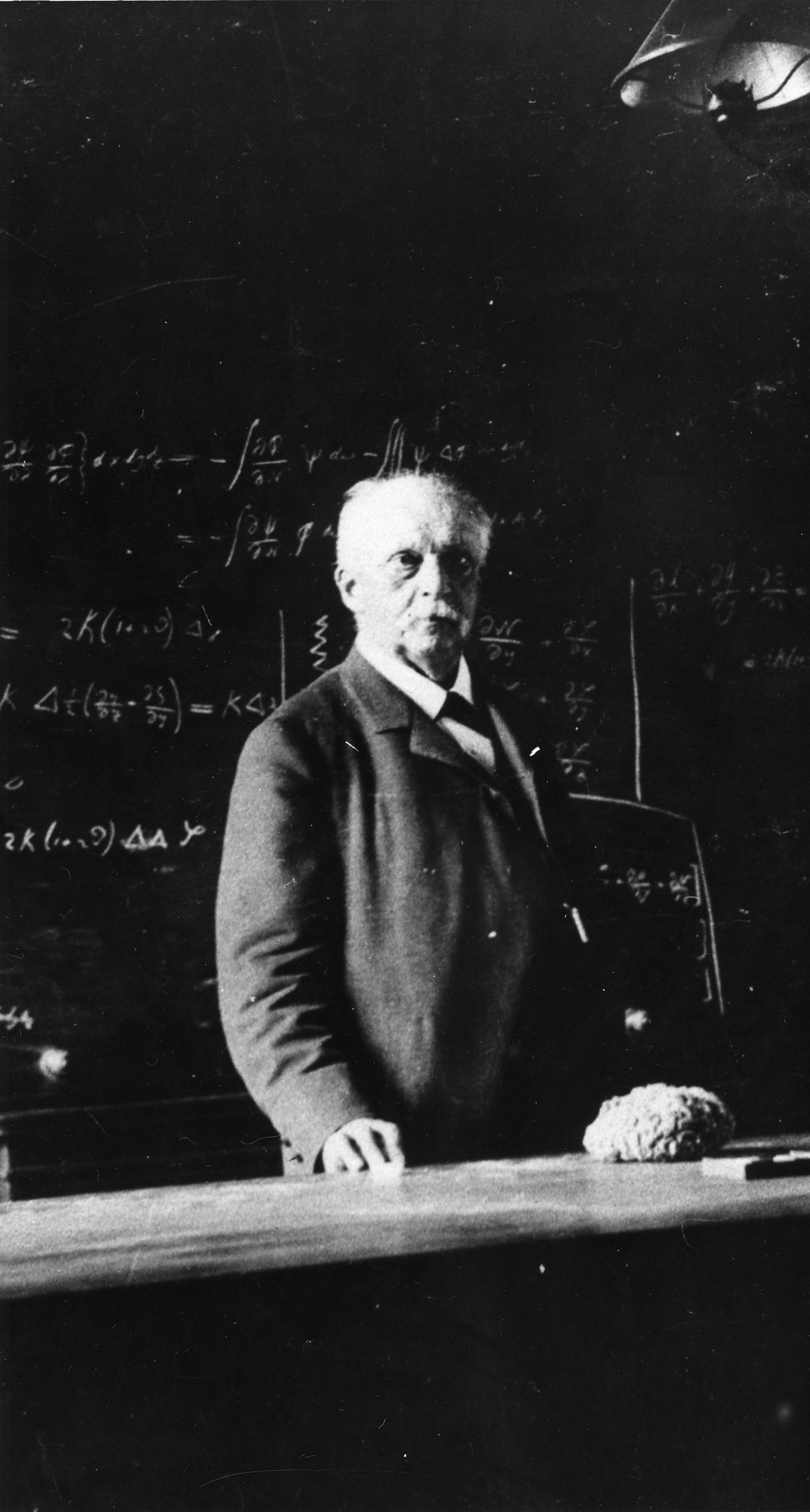
10 Images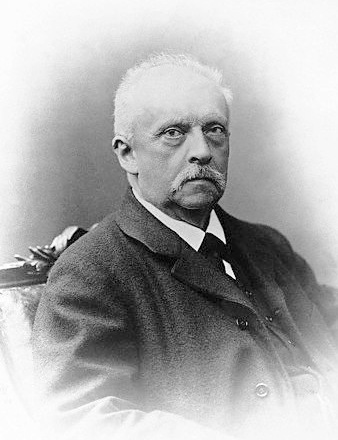




Major scientific contributions
Helmholtz combined empirical measurement with theory. In sensory science he produced influential work on vision and hearing, notably advancing the theories of vision, studying the sensation of tone and the perception of sound, and formulating mathematical descriptions of optical image formation often summarized as the mathematics of the eye. In physical science he helped articulate the principle of the conservation of energy, developed ideas in electrodynamics and chemical thermodynamics, and sought a mechanical foundation for thermodynamic relations.
Work in physiology and psychology
Helmholtz applied quantitative methods to biological sensing. His physiological studies explored how the eye and ear transduce stimuli into nervous signals, contributing to the science of the physiology and the psychology of perception. He investigated color vision mechanisms and is associated with the Young–Helmholtz theory of trichromatic color sensing. His multi-volume Handbook of Physiological Optics and his essays on acoustic sensation combined experiment, instrumentation and theoretical interpretation to link measurement and subjective report. He also wrote on the general physiology of perception and on how perceptual laws relate to physical stimuli.
Physics, thermodynamics and instruments
In physics, Helmholtz made conceptual and practical advances. He wrote on energy conservation and thermodynamic potentials (work that later influenced the concept of Helmholtz free energy), and he contributed to electrodynamics and hydrodynamics. As an inventor and instrument-builder he devised devices that advanced experimental study: the ophthalmoscope for examining the interior of the eye, the Helmholtz resonator for studying acoustic frequencies, and apparatus now associated with his name in studies of magnetic and acoustic fields.
Selected concepts and inventions
- Ophthalmoscope — a diagnostic instrument for the eye
- Helmholtz resonator — tool for isolating sound frequencies
- Principles contributing to the conservation of energy and thermodynamic theory (thermodynamics)
- Mathematical analyses of optics and the mathematics of the eye
- Studies linking sensory laws and physical laws (see laws of perception)
Intellectual context and legacy
Helmholtz worked in the tradition of experimental natural philosophy and helped professionalize laboratory science by insisting on exact measurement, reproducible apparatus and mathematical framing. He wrote on the philosophy of science, discussing the limits and aims of scientific explanation and how perceptual systems constrain human knowledge. He also addressed the science of aesthetics, considering how physiological processes underlie judgments of beauty and form. His influence spread through students and through the institutions that adopted his experimental methods.
Notable distinctions and further reading
Helmholtz is remembered both for particular inventions and for a broad mode of inquiry that connected physiology, psychology and physics. His empirical-theoretical style anticipated later work in sensory neuroscience and physical theory. Readers interested in exploring his original writings and modern interpretations can follow starting points on historical summaries of sensory physiology, acoustics and thermodynamics via linked overviews: physician background, physicist perspective, physiology, psychology, optical mathematics, vision theory, acoustic sensation, sound perception, perceptual physiology, physics, energy conservation, mechanical foundations, thermodynamics, philosophy of science, perception laws, and aesthetics.
Questions and answers
Q: Who was Hermann Ludwig Ferdinand von Helmholtz?
A: Hermann Ludwig Ferdinand von Helmholtz was a German physician and physicist who made significant contributions in several scientific fields.
Q: What is the Helmholtz Association?
A: The Helmholtz Association is named after Hermann Ludwig Ferdinand von Helmholtz.
Q: In what fields did Hermann Ludwig Ferdinand von Helmholtz make significant contributions?
A: Hermann Ludwig Ferdinand von Helmholtz made significant contributions in physiology, psychology, physics, and philosophy.
Q: What is Hermann Ludwig Ferdinand von Helmholtz known for in physiology and psychology?
A: Hermann Ludwig Ferdinand von Helmholtz is known for his mathematics of the eye, theories of vision, ideas on the visual perception of space, and color vision research. His work on the sensation of tone, perception of sound, and the physiology of perception is also notable.
Q: What is Hermann Ludwig Ferdinand von Helmholtz known for in physics?
A: Hermann Ludwig Ferdinand von Helmholtz is known for his theories on the conservation of energy, work in electrodynamics, chemical thermodynamics, and on a mechanical foundation of thermodynamics.
Q: What is Hermann Ludwig Ferdinand von Helmholtz known for in philosophy?
A: Hermann Ludwig Ferdinand von Helmholtz is known for his philosophy of science, ideas on the relation between the laws of perception and the laws of nature, the science of aesthetics, and ideas on the civilizing power of science.
Q: Why is Hermann Ludwig Ferdinand von Helmholtz significant?
A: Hermann Ludwig Ferdinand von Helmholtz is significant for his contributions in several scientific fields, including physiology, psychology, physics, and philosophy. His work on the mathematics of the eye, theories of vision, perception of sound, and conservation of energy are still relevant today.
Related articles
Author
AlegsaOnline.com Hermann von Helmholtz: contributions to physiology, perception and physics Leandro Alegsa
URL: https://en.alegsaonline.com/art/120604
Sources
- plato.stanford.edu : Hermann von Helmholtz
- plato.stanford.edu : Friedrich Albert Lange
- books.google.com : Hermann von Helmholtz and the Foundations of Nineteenth-Century Science