
Helen Gurley Brown
American author, publisher and editor who led Cosmopolitan for 32 years and reshaped popular conversation about sex, careers and lifestyle for modern women.
Overview
Helen Gurley Brown (February 18, 1922 – August 13, 2012) was an American author, publisher, and businesswoman best known for transforming Cosmopolitan magazine and for writing candid books and columns aimed at sexually and financially independent women. She served as editor-in-chief of Cosmopolitan for 32 years, becoming one of the most visible figures in late 20th-century magazine publishing.
Image gallery
3 Images

Career and editorial transformation
Before rising to prominence in magazines, Brown worked in advertising and as a copywriter, where she honed a direct, conversational voice. In the mid-1960s she steered Cosmopolitan away from its earlier literary and homemaking focus and rebuilt it as a glossy monthly devoted to single, career-oriented women. Under her leadership the magazine emphasized frank discussion of relationships and sex alongside fashion, careers and self-improvement.
Works, style and public image
Brown authored several popular books, most famously Sex and the Single Girl, which encouraged women to pursue pleasure and professional success. Her editorial style blended practical advice, glamour and assertive language; she became known for a polished, high-glamour public image and for promoting female confidence in both private and public spheres.
Reception and controversy
Her approach generated both praise and criticism. Supporters credit her with encouraging sexual autonomy and career ambition; critics argued her brand of empowerment could be commercially driven or emphasize appearance. Regardless, her influence on magazine tone and on discussions about women's independence was significant and widely debated.
Legacy and notable facts
- Editor-in-chief of Cosmopolitan, 1965–1997, during which circulation and cultural impact rose markedly.
- Author of best-selling advice books that reached broad popular audiences.
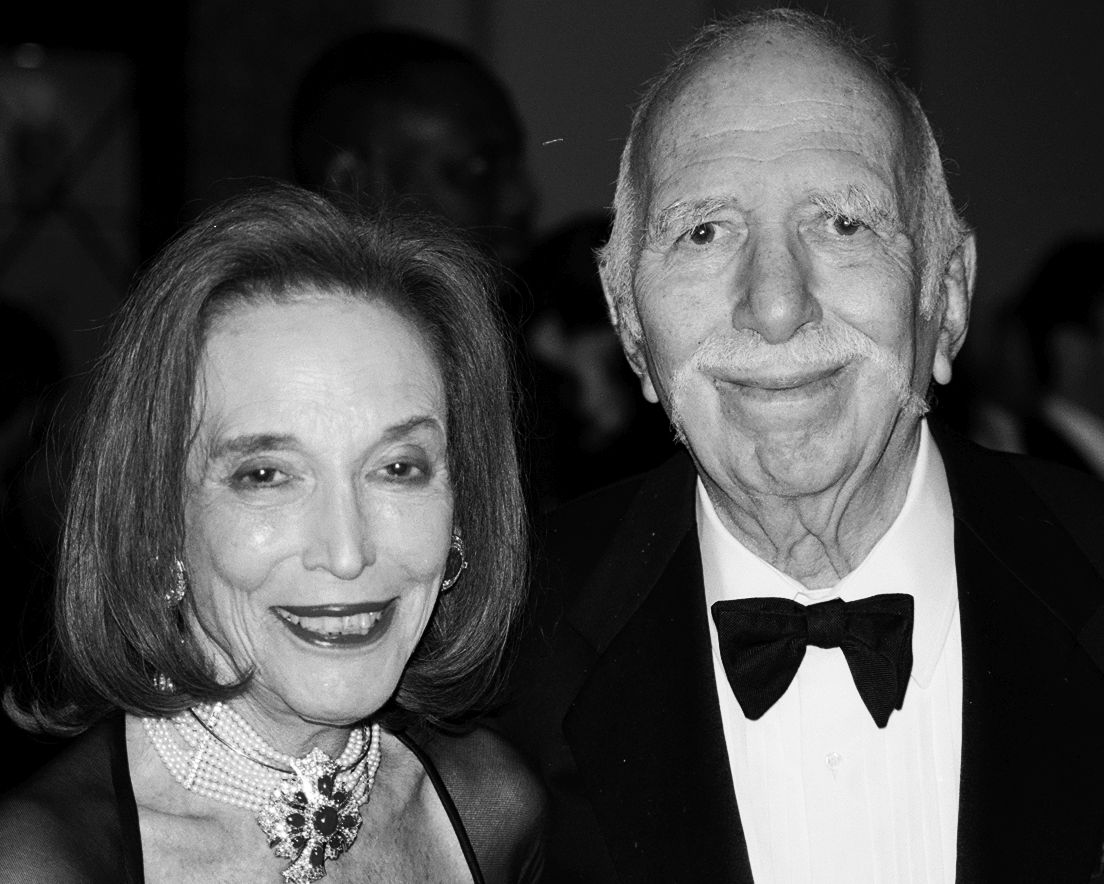
- Married to film producer David Brown; together they were a prominent couple in media and publishing circles.
- Remembered for reshaping mass-market women's media and for introducing a candid, assertive voice about sex and careers.
Brown remained a controversial but central figure in discussions about media, feminism and commercial culture until her death in 2012. Her career is often cited in histories of American magazines and in debates about the relationship between popular culture and women's rights.
Related articles
Author
AlegsaOnline.com Helen Gurley Brown Leandro Alegsa
URL: https://en.alegsaonline.com/art/120471
Sources
- slate.com : "80 Over 80: The most powerful octogenarians in America" · webcitation.org
- nytimes.com : "David Brown, Film and Stage Producer, Dies at 93" · webcitation.org
- latimes.com : "David Brown dies at 93; producer of 'Jaws,' 'The Sting'"
- news.cnet.com : "Cosmo editor ponies up $30 million for the future of news" · webcitation.org
- content.usatoday.com : "'Cosmo' grand dame Helen Gurley Brown dies at age 90"
- washingtonpost.com : "Helen Gurley Brown dies; editor of Cosmo and author of 'Sex and the Single Girl' was 90"
- timesunion.com : "Legendary editor Helen Gurley Brown dies"
- nl.newsbank.com : "Cosmo editor moves to Glamour: Helen Gurley Brown successor leaves after 18 months at the helm"