
Heiko Maas — German politician and former foreign minister
German SPD politician; served as Federal Minister of Justice (2013–2018) and Foreign Affairs (2018–2021); noted for consumer protection, digital-policy initiatives, and human-rights emphasis in foreign policy.
Overview
Heiko Josef Maas (born 19 September 1966) is a German politician affiliated with the Social Democratic Party (SPD). He served in senior federal offices in Chancellor Angela Merkel's coalition cabinets, most notably as Federal Minister of Justice and Consumer Protection from 17 December 2013 to 14 March 2018 and as Federal Minister for Foreign Affairs from 14 March 2018 until the change of government in late 2021. His political profile combines domestic policy on consumer rights and internet regulation with a pronounced interest in multilateral diplomacy and human-rights issues.
Image gallery
9 Images




Political career and offices
Maas's national prominence grew after his appointment to federal cabinet posts. Key positions include:
- Federal Minister of Justice and Consumer Protection (2013–2018) — championed updates to consumer safeguards and legislated on online content moderation.
- Federal Minister for Foreign Affairs (2018–2021) — led Germany's diplomatic agenda within the EU and on international crises during that period, serving in the cabinet of Angela Merkel.
Before his federal roles, Maas was active in Saarland state politics and held party positions within the SPD; he began his career after legal training and work as a lawyer.
Policy priorities and controversies
As justice minister, Maas promoted stronger consumer protections and measures aimed at curbing hate speech and illegal content online. He played a central part in the 2017 network enforcement approach that required social platforms to remove certain unlawful material quickly. Supporters argued the rules addressed real harms and modernized enforcement; critics warned about risks to freedom of expression and the delegation of legal judgment to private companies.
Foreign-policy focus
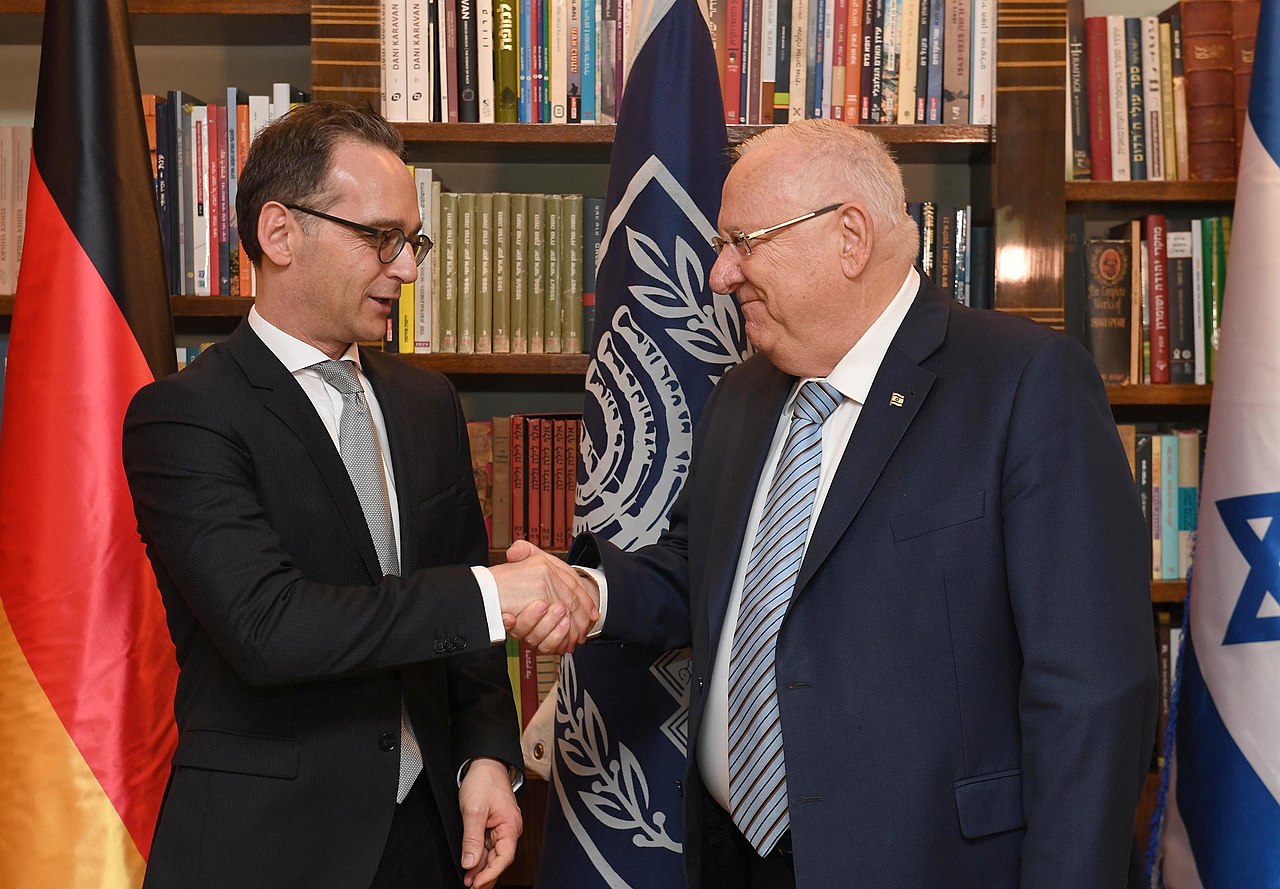
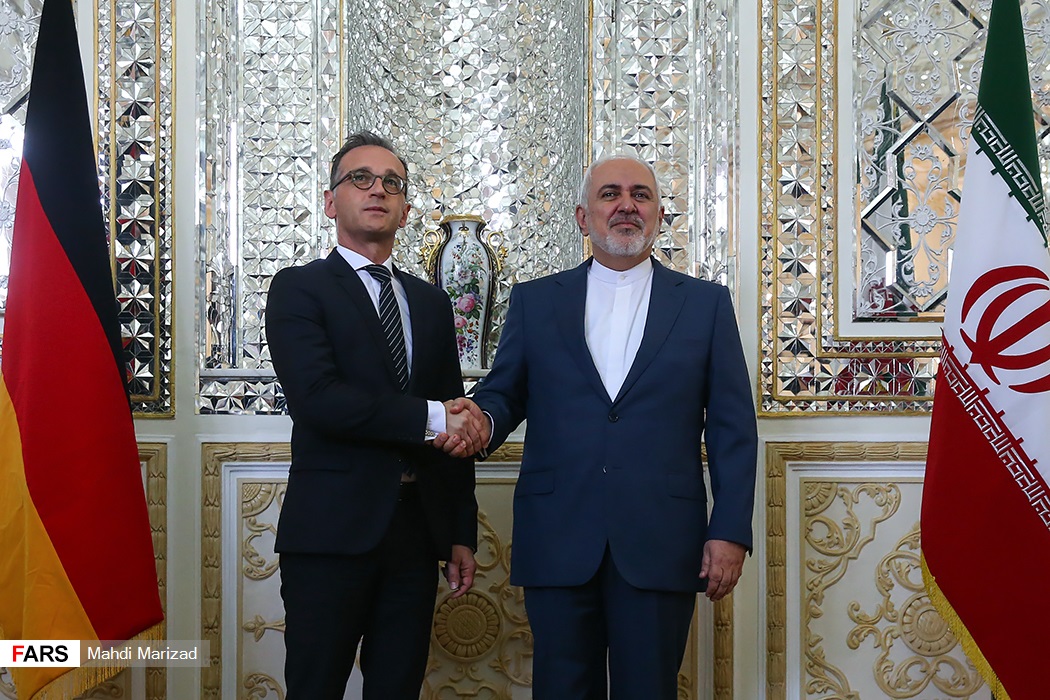
During his term as foreign minister, Maas emphasized multilateral cooperation, European unity and the protection of human rights in diplomatic practice. He engaged on transatlantic relations, EU foreign-policy coordination and responses to global crises, often framing Germany's role as seeking to bridge domestic values with pragmatic diplomacy.
Background and significance
Born in Saarlouis in 1966, Maas trained in law and built a career that moved from regional politics to national leadership. His career illustrates contemporary tensions in democratic governance: balancing security and speech rights online, and pairing normative commitments with the compromises of statecraft. He remains a notable figure within the SPD and recent German political history for both policy initiatives and the debates they provoked.
Related articles
Author
AlegsaOnline.com Heiko Maas — German politician and former foreign minister Leandro Alegsa
URL: https://en.alegsaonline.com/art/120445