
Blacklist (computing): concept, implementations, and trade-offs
A blacklist in computing is a list of entities denied access or execution. This article explains how blacklists work, common implementations, history, uses, limitations, and differences from whitelists.
Overview: In computing, a blacklist is an access-control mechanism that denies specific entities—such as IP addresses, domain names, files, applications, email senders, or URLs—permission to access a resource or perform an action. Blacklisting operates by matching subjects against a maintained list; if a match is found, the request is blocked or flagged. Systems often consult blacklists as one element of a broader security or policy framework. See general access-control concepts at related documentation.
Image gallery
2 Images
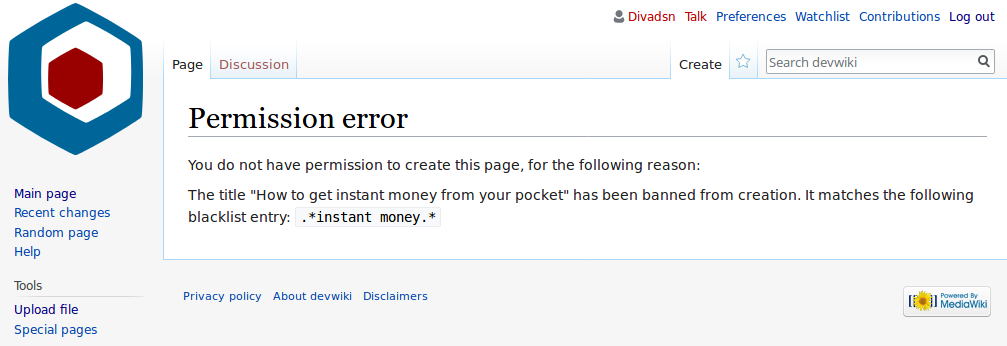
Characteristics and typical implementations
Blacklists can be implemented as static files, database tables, in-memory sets, or cloud-based reputation feeds. Common targets include:
- IP addresses and ranges (firewalls, intrusion prevention).
- Domain names and URLs (web proxies and content filters).
- Email senders and message signatures (anti-spam).
- Executable hashes or application identifiers (endpoint protection).
Matches may use exact identifiers, pattern matching, regular expressions, or probabilistic reputation scores. Blacklists are frequently combined with logging, alerting, and override controls to support investigation and remediation.
History and evolution
The blacklist concept predates modern networking and was adapted to computing as systems required simple, rule-based blocking. Over time blacklists evolved from manually curated lists to automated feeds and machine-learning-assisted reputation systems. Administrators increasingly rely on syndicated lists from security vendors, community projects, or internal telemetry to keep entries current.
Uses, examples and importance
Blacklists are used widely to reduce unwanted traffic and enforce policies: blocking known malicious hosts at a perimeter firewall, preventing phishing domains in an email gateway, or denying installation of banned applications on managed devices. In a web proxy, for instance, requested addresses are checked and refused when present on the deny list; see a typical proxy role at web proxy examples.
Advantages, limitations and related approaches
Advantages include simplicity and predictable blocking rules. Limitations are notable: blacklists must be continually updated, can produce false positives, and struggle with novel or polymorphic threats. Adversaries may evade lists by changing domains, IPs, or file signatures. Because of these drawbacks, many organizations pair blacklists with whitelists, heuristics, behavior-based detection, and zero-trust principles to achieve more robust protection.
Notable distinctions: A blacklist denies listed items; a whitelist permits only listed items. The choice between them depends on risk tolerance, scale, and management overhead. Proper governance, review procedures, and appeal paths help reduce operational errors and unintended service disruption.
Related articles
Author
AlegsaOnline.com Blacklist (computing): concept, implementations, and trade-offs Leandro Alegsa
URL: https://en.alegsaonline.com/art/12012