
Great Sasuke (Masanori Murakawa) — Japanese masked professional wrestler
Profile of The Great Sasuke (Masanori Murakawa), a masked Japanese junior-heavyweight known for a ninja persona, high-flying style, and founding Michinoku Pro Wrestling in the early 1990s.
Overview
Masanori Murakawa, known professionally as The Great Sasuke, was born on July 18, 1969. He is best known for performing in a distinctive masked, ninja-inspired persona and for helping to establish a regional, junior-heavyweight focused promotion in Japan in the early 1990s. His identity as a masked performer and his compact, athletic style made him a visible figure on the Japanese independent and junior-heavyweight scenes.
Image gallery
6 Images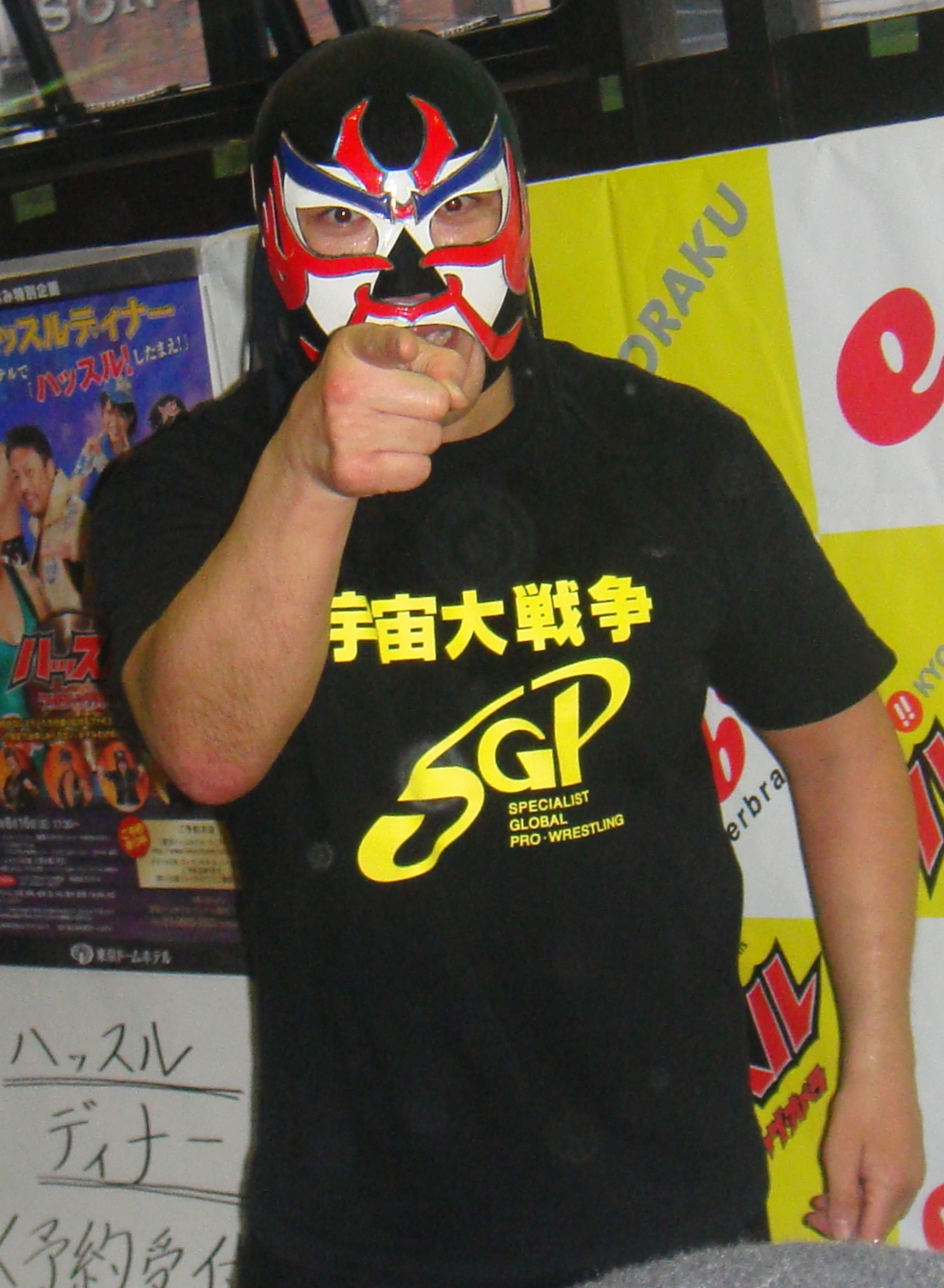




Style and persona
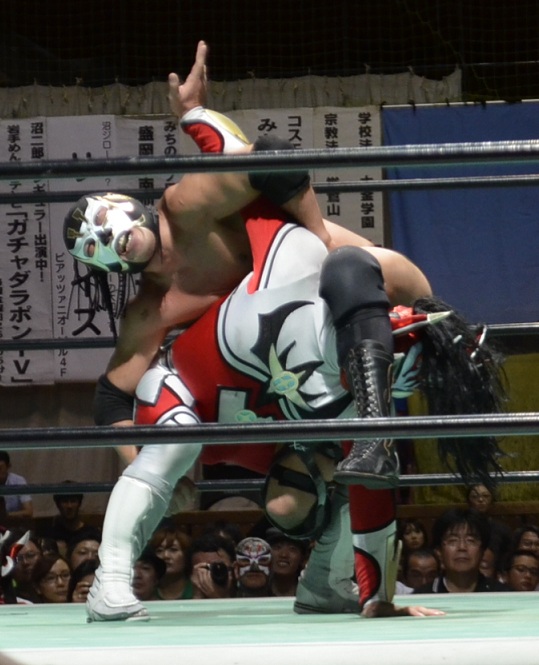
Great Sasuke's in-ring approach emphasizes speed, aerial maneuvers and acrobatic technique. Drawing on influences from Mexican lucha libre and Japanese junior-heavyweight (puroresu) traditions, his matches commonly feature quick counters, dives and inventive sequences. The mask and costume reinforce a mysterious, ninja-like character, which became central to his public image and marketing.
Michinoku Pro and promotion work
In the early 1990s Sasuke helped found a promotion that prioritized small-ring shows, fast-paced matches and the development of younger talent. That promotion, often linked in discussions of regional Japanese wrestling, provided a proving ground for performers who blended lucha-style aerial work with Japanese striking and grappling approaches. The organization also placed emphasis on regional identity and touring smaller venues rather than exclusively large arenas; see more on the promotion here.
Career and international appearances
Throughout his career Sasuke has appeared on independent cards across Japan and on international shows, helping to popularize junior-heavyweight and hybrid lucha/puroresu styles beyond his home promotion. He has worked with a range of opponents and teammates, and has been involved in memorable feuds and tag team matches that highlighted the agility and theatrical aspects of his persona.
Legacy and influence
As a long-standing masked ace and promoter, Great Sasuke influenced later generations of high-flyers and independent wrestlers who prioritize speed and aerial techniques. His work in developing talent and shaping a hybrid in-ring style is often cited in discussions about the evolution of junior-heavyweight wrestling in Japan. Historians and fans note his role in sustaining a distinct regional scene that mixed Mexican and Japanese traditions.
Notable facts
- Ring name and attire evoke ninja imagery and traditional motifs.
- Known for promoting and training younger performers and for regional show presentation.
- Maintains a masked identity as a core element of his public persona.
- Further reading and interviews are available: profile and interview.
While specific match records and championship lists are often detailed in dedicated databases and publications, the broader significance of The Great Sasuke lies in his combination of athletic performance, a distinctive masked character and his role as a promoter who helped keep a particular style of junior-heavyweight wrestling visible within Japan and abroad.
Related articles
Author
AlegsaOnline.com Great Sasuke (Masanori Murakawa) — Japanese masked professional wrestler Leandro Alegsa
URL: https://en.alegsaonline.com/art/120029
Sources
- wwe.com : "The light history of the WWE Light Heavyweight Championship"
- japantimes.co.jp : "Wrestler to run for Iwate governor"
- japanprobe.com : "The Great Sasuke arrested for assault"