
Glen Doherty (1970–2012) — U.S. security officer and Benghazi casualty
Profile of Glen Doherty, a former U.S. Navy SEAL and security contractor from Winchester, Massachusetts, killed in the 2012 Benghazi attacks; covers life, career, and legacy.
Overview
Glen Anthony Doherty (July 10, 1970 – September 11, 2012) was an American security specialist and former United States Navy SEAL who later worked as a private security contractor. He is widely known for his death during the September 2012 attacks on U.S. diplomatic facilities in Benghazi, Libya. The incident drew national attention because it claimed the lives of four Americans and raised questions about diplomatic security and emergency response.
Image gallery
5 Images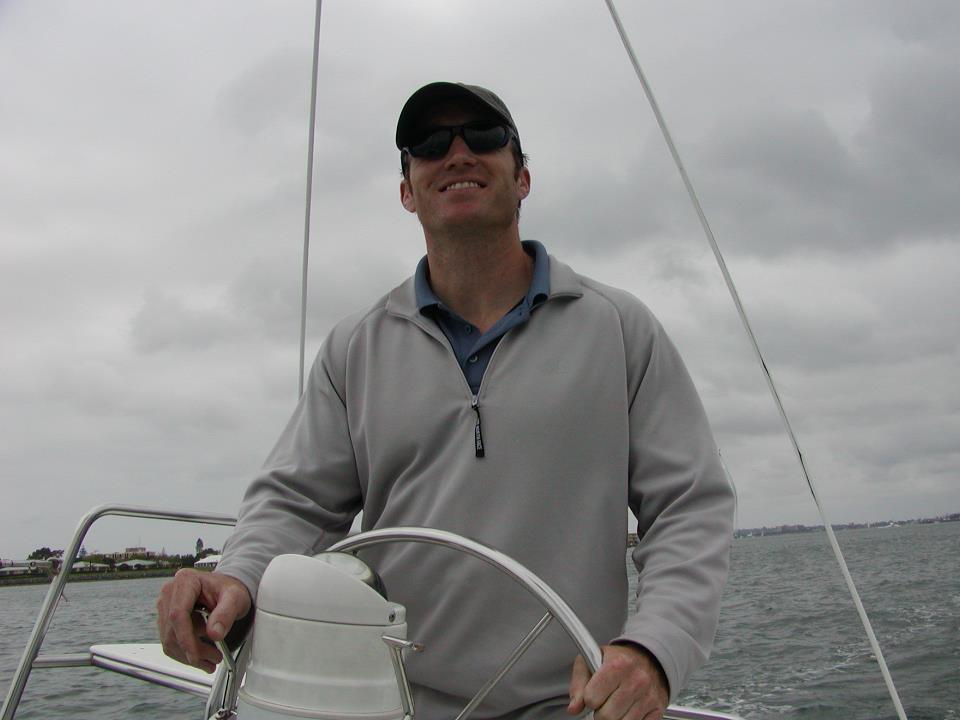


Early life and career
Doherty was born and raised in Winchester, Massachusetts, where he attended the local high school. After military service, he transitioned into roles that combined tactical skills, weapons expertise and protective operations. Over the years he worked with a variety of government and private organizations, applying field experience from his time in the Navy to training, technical support and security assignments.
Benghazi attack and circumstances
On September 11, 2012, Doherty was killed while responding to assaults on U.S. diplomatic facilities in Benghazi. He was among a small team of security personnel who moved to defend the compound and retrieve survivors during a prolonged and complex attack. The events in Benghazi affected U.S. diplomacy and became the subject of extensive reporting and investigation.
Importance and legacy
Doherty's death was noted alongside those of Ambassador Christopher Stevens and information officer Sean Smith; another security colleague, Tyrone S. Woods, also died in the attack. Their deaths highlighted the risks faced by security contractors and diplomatic staff working in unstable regions. Families, colleagues and veterans' groups remembered Doherty for his tactical skill and dedication to protecting others.
Notable facts
- Background: Born in Winchester, Massachusetts; educated locally and later trained in military and security disciplines. Winchester, Massachusetts
- Role: Served as a security specialist and contractor supporting U.S. personnel overseas. Security officer
- Incident: Killed during the 2012 U.S. diplomatic missions attacks. 2012 U.S. diplomatic missions attacks in Benghazi, Libya
Further reading
Accounts of Doherty's life and the Benghazi events are available through official reports, contemporary news coverage and veteran community sources. For context about the site and the larger diplomatic incident, consult dedicated timelines and investigative summaries. Security reports and investigative articles provide detailed chronologies and analysis.
Related articles
Author
AlegsaOnline.com Glen Doherty (1970–2012) — U.S. security officer and Benghazi casualty Leandro Alegsa
URL: https://en.alegsaonline.com/art/119915
Sources
- boston.com : "Winchester native among victims of Libya attack"
- news.bostonherald.com : "Family of Winchester man killed in Libya: 'He's a hero'"