
Black Panther Party
Black Panther Party: African American political organization (1966–1982) known for armed self‑defense, socialist politics, community programs and confrontation with U.S. law enforcement.
Overview
The Black Panther Party (originally the Black Panther Party for Self-Defense) was an African American political organization founded in 1966 in Oakland, California. It combined a critique of racism and economic inequality with a readiness to use armed self‑defense against police violence. The group attracted national attention through its distinctive appearance, rhetoric, and public actions and also established international contacts, including chapters in the United Kingdom and a presence in Algeria in the early 1970s.
Image gallery
10 Images


Founding and beliefs
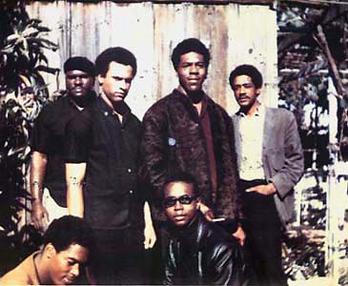
The organization was founded by Huey P. Newton and Bobby Seale, with early members such as Bobby Hutton and Elbert Howard. Its political outlook drew on black nationalism, anti‑imperialism and socialist ideas. The Party is well known for its Ten‑Point Program, which laid out demands and goals relating to freedom, employment, housing, education and an end to police brutality.
Organization, tactics and imagery
Members organized community patrols that monitored police behavior and, where allowed by law, carried firearms as a statement of self‑defense and deterrence. The Party adopted a public image—black berets, leather jackets and a raised fist—that signaled unity and resistance. It combined street-level activism with political education and formal leadership structures at local chapters.
Community programs
Beyond confrontation, the Party launched a wide range of "survival programs" aimed at meeting immediate needs and building popular support. Notable initiatives included:
- Free breakfast programs for children.
- Community health clinics and sickle-cell screening.
- Political education classes and legal aid efforts.
- Food distribution and assistance with housing.
Conflict, repression and decline
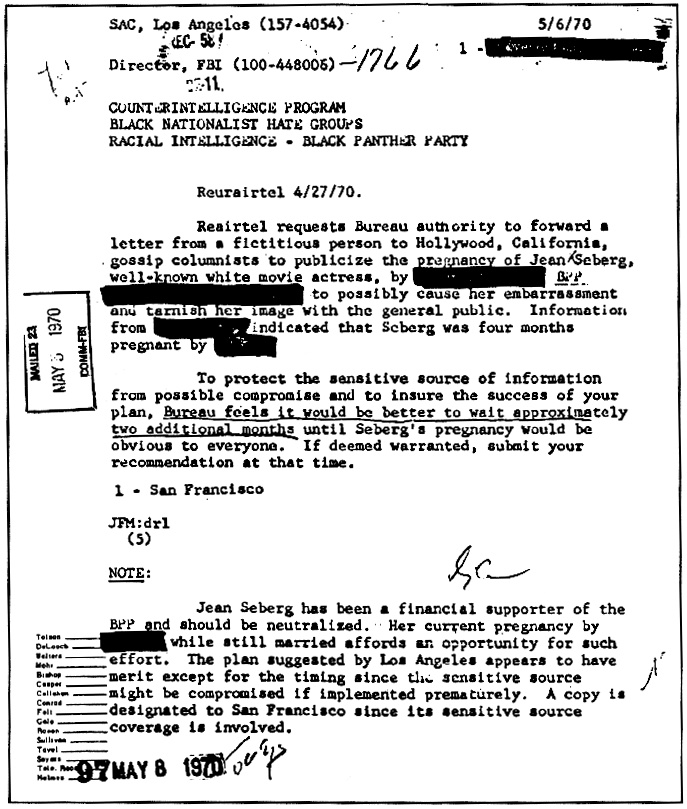
The Black Panther Party came into frequent conflict with local police departments and became a major target of FBI counterintelligence efforts in the late 1960s and early 1970s. Government surveillance, infiltration, legal prosecutions and internal disputes weakened the organization. Violent clashes, arrests, and leadership losses contributed to a decline in influence through the 1970s and the group's eventual end as a national organization in the early 1980s.
Legacy and significance
The Party left a complex legacy: it helped publicize police brutality and economic injustice, inspired later social justice activism, and demonstrated the impact of community-based services. Its combination of militant rhetoric and community programs continues to be studied in histories of the civil rights and Black Power movements. The Party's story is also remembered internationally through contacts and chapters in places such as the United Kingdom and engagements in Algeria, reflecting its broader influence beyond the United States.
For further reading, researchers consult primary documents such as speeches and the Ten‑Point Program, scholarly histories, and archival collections that trace both the political aims and contested controversies of the Black Panther Party.
Tags
Related articles
Author
AlegsaOnline.com Black Panther Party Leandro Alegsa
URL: https://en.alegsaonline.com/art/11953