
Black Mesa (Oklahoma) — state high point and geologic mesa
Black Mesa is the highest natural point in Oklahoma, a remote volcanic-capped mesa in Cimarron County known for distinctive geology, high‑plain ecology, and a state preserve with hiking access.
Overview
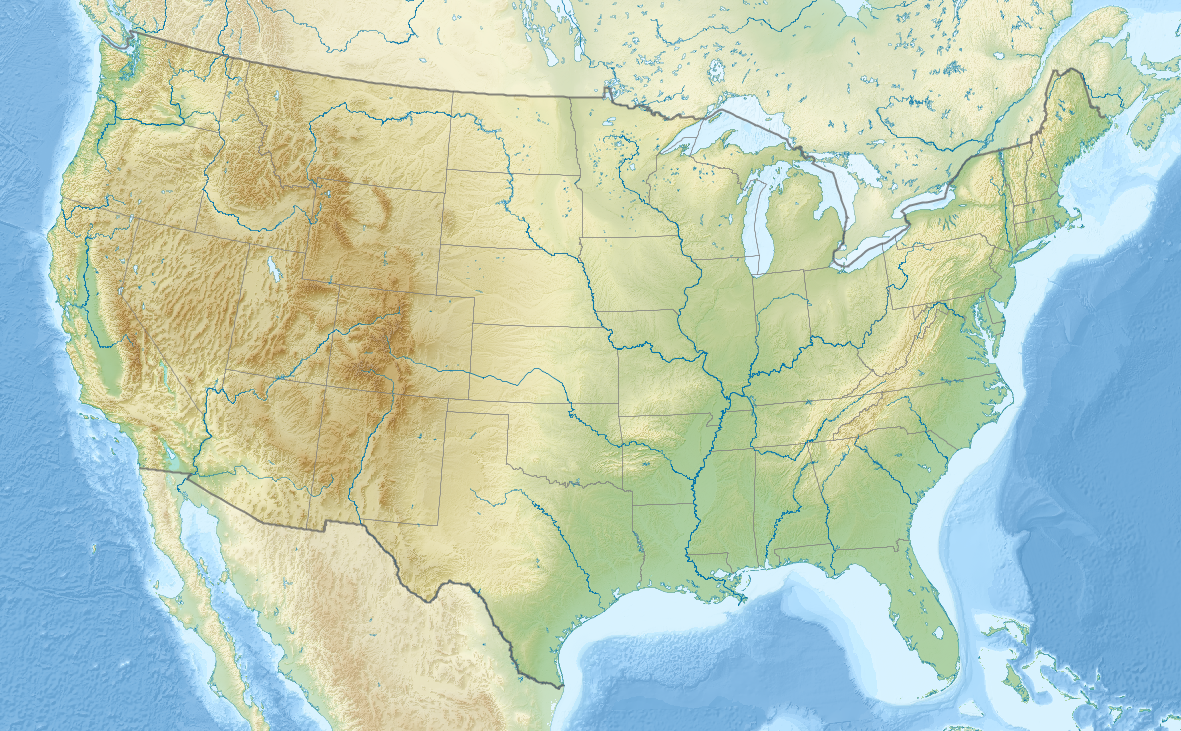
Black Mesa is a prominent plateau in the far western corner of Oklahoma, within Cimarron County near the borders with New Mexico and Colorado. It is recognized as the highest natural point in the state and is a distinct landscape feature in the High Plains. For general location information see regional maps and guides. For sources that list state high points see state high point references.
Image gallery
9 Images



Geology and formation
The mesa exists because of a resistant dark cap rock that protects softer underlying layers from erosion. Over long periods, wind and water removed surrounding sediments while the cap remained intact, leaving a flat-topped rise above the surrounding plains. Although called a "mesa," the landform integrates local volcanic and sedimentary history typical of the southern Rocky Mountain fringe and High Plains transition zone.
Physical characteristics
Black Mesa rises noticeably above the surrounding prairie and supports a mix of high‑plain vegetation. Its summit and slopes show soils and plant communities that differ from lower-elevation grasslands, and the mesa experiences more extreme weather than eastern Oklahoma. The dark surface that gives the feature its name contrasts with paler sediments below.
Ecology and wildlife
The area supports grasses, shrubs, and scattered trees adapted to semi‑arid conditions. Wildlife includes species typical of the high plains: small mammals, birds of prey, and ungulates that use the rugged terrain for feeding and cover. The ecological transition at Black Mesa makes it of interest to naturalists studying range limits and local biodiversity.
Access, recreation, and protections
Black Mesa is partly protected within a state preserve that offers managed access for visitors. Marked trails and backcountry routes lead to the high point; hikers should prepare for remote conditions, variable weather, and limited services. The preserve emphasizes conservation while allowing low‑impact recreation such as hiking, wildlife viewing, and seasonal camping.
Notable distinctions and context
- Highest natural point in Oklahoma.
- Named for its dark cap rock that resists erosion.
- Part of a broader region of mesas and plateaus that extends into neighboring states.
- Popular with peak‑baggers and those interested in unique high‑plain landscapes.
Because the name "Black Mesa" applies to multiple places and cultural references, it is useful to specify the Oklahoma location when planning travel or research. The site combines geological interest, characteristic flora and fauna of the High Plains, and a sense of remoteness rare in the state.
Related articles
Author
AlegsaOnline.com Black Mesa (Oklahoma) — state high point and geologic mesa Leandro Alegsa
URL: https://en.alegsaonline.com/art/11942