
Gabriel Chiramel: Indian priest, educationist, zoologist and social reformer
Biography of Gabriel Chiramel (1914–2017), a Roman Catholic priest and educator from Kerala who founded schools, colleges and social institutions and received the Padma Bhushan for contributions to education and literature.
Overview
Gabriel Chiramel (11 December 1914 – 11 May 2017) was an Indian Roman Catholic priest, educator, zoologist, author and social reformer. Over many decades he promoted education, health care and social services in Kerala, establishing schools, colleges and centres for cultural and human welfare. He is widely remembered for combining clerical life with practical institution‑building and for a lifelong commitment to serving disadvantaged groups.
Image gallery
2 Images
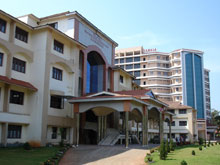
Work and institutions
Chiramel was closely involved in the creation and development of several educational and social institutions across Kerala. His initiatives ranged from primary and secondary schools to higher education and specialised social service centres. Those institutions include:
- St. Joseph's College, Irinjalakuda;
- Carmel Higher Secondary School, Chalakudy;
- Bharathamatha School, Palakkad;
- Catholic Centre, Irinjalakuda;
- Deepthi Cultural Centre, Calicut;
- Sneha Bhavan, a facility for training and rehabilitation of physically challenged children;
- parallel colleges at Ambazhakad and Varantharapilly.
These foundations reflect a practical focus on expanding access to education and creating institutions that combined academic, cultural and social objectives.
Scholarship, teaching and social reform
Trained in biology and known for his interest in zoology, Chiramel combined scholarship and teaching with community engagement. He wrote on educational and social topics, supported cultural programmes, and advocated for inclusive schooling and vocational training. His work emphasised practical measures — teacher training, rehabilitation for people with disabilities, and local cultural activities — as ways to strengthen communities.
Recognition and legacy
In recognition of his contributions to education and literature the Government of India awarded him the Padma Bhushan in 2007. The institutions he helped found continue to operate and are often cited as part of his legacy: a network of schools, colleges and service centres that serve tens of thousands of students and beneficiaries. His life is also noted for its example of sustained, grassroots institution‑building by a religious leader.
Later life and death
Gabriel Chiramel lived to be a centenarian. He died on 11 May 2017 at the age of 102 at the Amala Institute of Medical Sciences campus in Kerala from multiple organ failure. Obituaries and memorials emphasized both his public achievements and the personal dedication with which he worked for education, health and social welfare in Kerala.
Related articles
Author
AlegsaOnline.com Gabriel Chiramel: Indian priest, educationist, zoologist and social reformer Leandro Alegsa
URL: https://en.alegsaonline.com/art/119346
Sources
- photodivision.gov.in : photodivision.gov.in/new/IntroPhotodetails.asp?thisPage=81.html
- carmelchalakudy.com : "Carmel H.S.S., Chalakudy"
- thehindu.com : "Service of priest to society lauded"
- manoramaonline.com : "പ്രശസ്ത ജന്തുശാസ്ത്രജ്ഞനും പത്മഭൂഷൺ ജേതാവുമായ ഫാ.ഗബ്രിയേൽ ചിറമ്മൽ അന്തരിച്ചു"