
Frank Capra: filmmaker, themes, and enduring legacy
Frank Capra (1897–1991) was a Sicilian‑born American director and producer whose optimistic, populist films—including It Happened One Night and It's a Wonderful Life—shaped Hollywood storytelling.
Overview
Frank Russell Capra (born Francesco Rosario Capra; May 18, 1897 – September 3, 1991) was a Sicilian‑born American film director, producer and screenwriter. Emigrating to the United States as a child, he rose to prominence in the 1930s and 1940s for films that combined warm sentiment with sharp social observation. He received multiple Academy Awards during his career and remains one of the best‑known directors of classical Hollywood cinema.
Image gallery
8 Images


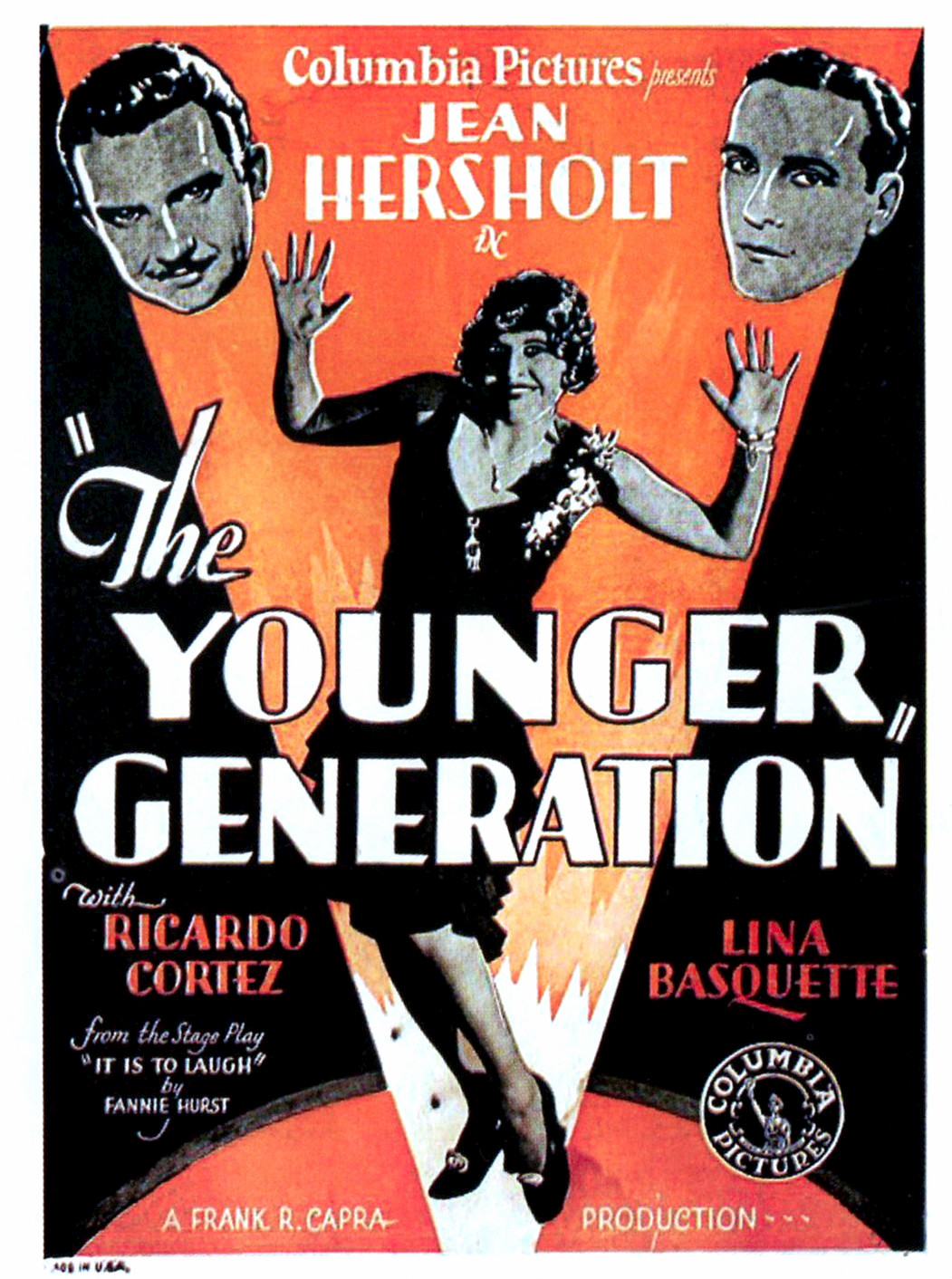

Style and recurring themes
Capra's work is often described as optimistic and populist. Critics and audiences coined the adjective "Capraesque" to denote stories that prize individual decency, democratic values and a belief in ordinary people's capacity to do right. His films frequently place an earnest protagonist against institutional or corrupt forces and favor clear moral resolutions over ambiguity. Capra was also known for his accessible storytelling, brisk pacing and emphasis on character-driven comedy and drama.
Notable films and recognition
Several of Capra's films became landmarks of American cinema and are still widely shown and studied. Key titles include:
- It Happened One Night (1934) — a romantic comedy that popularized screwball conventions.
- You Can't Take It with You (1938) — a comic family drama celebrating eccentricity and communal values.
- Mr. Smith Goes to Washington (1939) — a political drama about idealism and civic responsibility.
- It's a Wonderful Life (1946) — a sentimental drama that became a perennial holiday favorite.
Over his career Capra earned significant critical acclaim and several Academy Awards for his directing and producing work, and many of his films are preserved and taught as exemplars of the studio era.
Career stages and later life
Capra began in silent comedies and moved into more ambitious studio projects as sound cinema matured. During World War II he supervised and directed documentary and morale films. After the war his output slowed and he faced changing industry tastes, but he continued to write, lecture and participate in film organizations. He remained a public figure long after his peak studio years.
Legacy and resources
Capra's influence extends to filmmakers, critics and popular culture; his name is shorthand for an idealistic strand of American storytelling. For further reading and primary materials see biographical summaries, career overviews, selected filmographies, award histories, archival interviews and institutional archives. His major films are widely available and continue to be screened and reappraised by new generations of viewers.
Related articles
Author
AlegsaOnline.com Frank Capra: filmmaker, themes, and enduring legacy Leandro Alegsa
URL: https://en.alegsaonline.com/art/119127
Sources
- books.google.com : Frank Capra: Interviews