
Fernando de la Rúa: Argentine president during the 1999–2001 crisis
Argentine lawyer and Radical Civic Union leader who served as president from 1999 to 2001; his term ended amid economic collapse and mass protests. He died in 2019.
Fernando de la Rúa (15 September 1937 – 9 July 2019) was an Argentine lawyer and politician who led the country as president at the turn of the 21st century. A member of the Radical Civic Union (UCR), he came to national prominence through legislative work and city government before winning the presidential election in 1999. His time in office is often remembered for attempts to address a deepening fiscal crisis and for the civil unrest that led to his resignation.
Image gallery
10 Images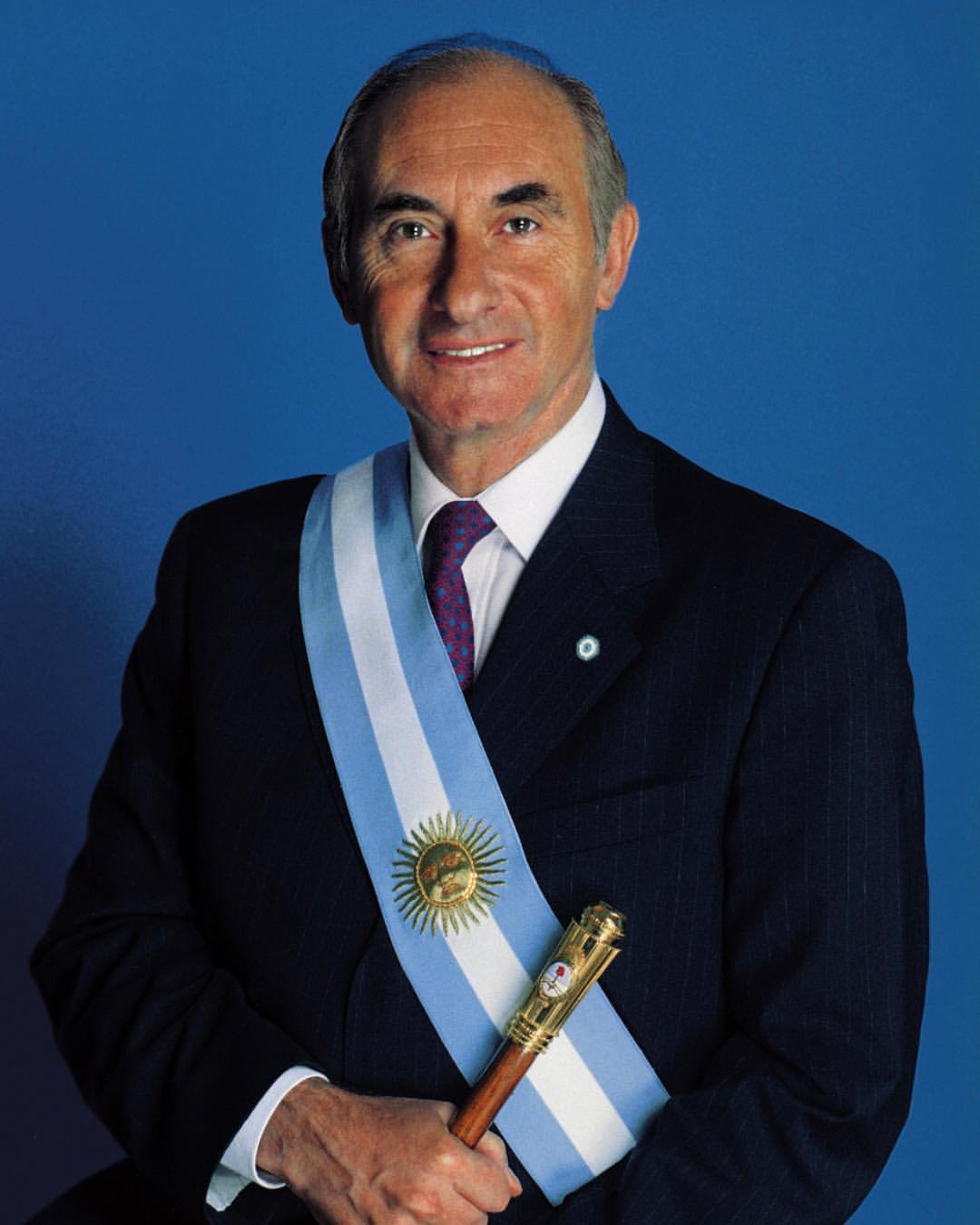


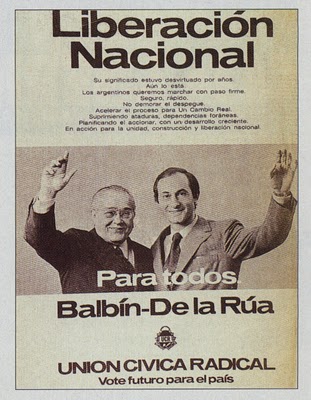
Early life and political rise
Born in Córdoba province, de la Rúa studied law and entered public life through the UCR, a historic party in Argentina. He served in both legislative chambers and held executive office at the municipal level, including a term as mayor (Chief of Government) of Buenos Aires in the late 1990s. His election to the presidency followed years of coalition-building and an image of legalistic, steady governance.
The presidency and its challenges
Taking office in December 1999, de la Rúa faced an economy already weakened by recession, high unemployment and public debt. His administration pursued fiscal austerity and sought to restore confidence among investors and international creditors. Political alliances were tested by corruption allegations and by the resignation of his vice president, which further destabilized the governing coalition. Observers criticized both policy choices and the government's capacity to manage the growing economic emergency.
December 2001 crisis and resignation
In late 2001 Argentina experienced a dramatic collapse in public trust: bank withdrawals were limited by emergency banking restrictions, public protests grew, and violent clashes occurred in several cities. These events culminated in mass demonstrations and a breakdown of order that compelled de la Rúa to leave office in December 2001. The sequence of measures and protests that preceded his departure remain central to discussions of modern Argentine political and economic history.
Later life, legal scrutiny and death
After leaving the presidency, de la Rúa endured years of legal inquiries and public debate over responsibility for the crisis. Some proceedings were lengthy and politically charged; many of the cases touched on decisions taken during his administration. He spent his later years out of frontline politics and died on 9 July 2019 in Belén de Escobar. Reports attributed his death to complications of heart and kidney failure, reflecting the frailty that had accompanied him in retirement.
- Born: 15 September 1937
- Presidency: took office in December 1999 and left amid December 2001 unrest — see accounts of the presidential period.
- Political affiliation: Radical Civic Union; prior municipal leadership in Buenos Aires.
- Death: 9 July 2019; contemporary reports noted cardiac and renal complications (coverage).
For broader context on the economic and institutional issues that framed de la Rúa's term, see analyses of Argentine policy debates and the social impact of the 2001 crisis. Biographical summaries and archival materials provide perspective on how his legal training and party background shaped his decisions. Contemporary news and retrospective studies remain important for understanding both the choices made by his administration and the long-term consequences for Argentine democracy and economic policy. Additional resources include general overviews of Argentine politics and specific timelines of the late-1990s to early-2000s period (economic timeline).
Related articles
Author
AlegsaOnline.com Fernando de la Rúa: Argentine president during the 1999–2001 crisis Leandro Alegsa
URL: https://en.alegsaonline.com/art/118921
Sources
- nytimes.com : New York Times (September 26, 1999)
- query.nytimes.com : World Briefing | Americas: Argentina: Human Rights Extraditions
- clarin.com : Murió Fernando de la Rúa: de la militancia al poder, con una breve y conflictiva gestión