
Faten Hamama — Egyptian actress and screen legend
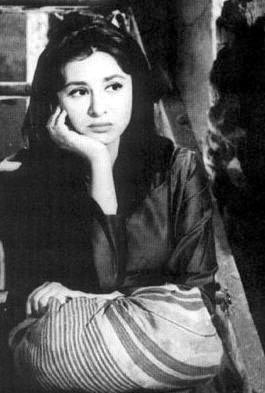
Faten Hamama (1931–2015) was an Egyptian film and television actress and producer, widely regarded as the 'Lady of the Arabic Screen' and a central figure of classical Egyptian cinema.
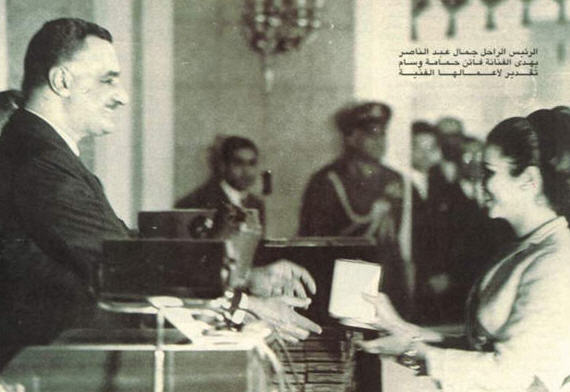
Faten Hamama (Arabic: فاتن حمامة, 27 May 1931 – 17 January 2015) was an Egyptian film and television actress and producer whose career spanned more than six decades. Often referred to in the Arab world as the "Lady of the Arabic Screen," she was one of the most visible and influential performers of Egypt's cinematic golden age. Hamama began acting as a child and gradually became known for leading roles that combined emotional depth with social realism.

Image gallery
10 Images




Career and notable works
Hamama appeared in a wide variety of films and television productions, from melodramas to socially conscious dramas. Her performances were praised for their nuance and for portraying complex female characters at a time when such portrayals were less common. Among the titles frequently associated with her work are Al-Tareeq al-Masdood, Sira` Fi al-Wadi, Ayyamna al-Holwa, La Anam and La Tutf'e al-Shams. She also starred in internationally recognized films such as Doa al-Karawan (The Nightingale's Prayer) and appeared alongside prominent actors of her era.
Characteristics and screen persona
Hamama's screen presence was marked by restraint, expressive subtlety and an ability to convey moral strength. Directors cast her in roles that often examined family dynamics, justice, and personal dignity. Critics and audiences admired her for bringing credibility and empathy to characters who faced societal constraints, and for elevating dramatic material through restrained but powerful acting.
History and development
Starting as a child actor in the 1930s and 1940s, Hamama moved into leading adult roles in the 1950s and 1960s, contributing to the period often described as Egypt's golden age of cinema. She worked with many of the region's leading filmmakers and played a part in films that remain important in the Arabic-speaking world. Over time she expanded her activity to include television and production work, helping to shape storylines and projects from behind the camera as well as in front of it.
Legacy and importance
Faten Hamama is remembered as a pioneering figure who helped change the way women were depicted on-screen in the Arab world. Her reputation rests not only on box-office success but on a body of work that treated social themes thoughtfully and showcased the expressive possibilities of film acting. She received widespread acclaim in her lifetime and remained a cultural reference point long after her most active years.
Personal life and final years
Hamama's personal life received significant public interest; she was professionally linked to and at times married to fellow actors and filmmakers, and her partnerships were part of her public identity. She died on 17 January 2015 after a brief illness at the age of 83. Her passing prompted widespread tributes across the Arab world, reflecting her long-standing influence on cinema, television and popular culture.
Selected filmography
- Al-Tareeq al-Masdood
- Sira` Fi al-Wadi
- Ayyamna al-Holwa
- La Anam
- La Tutf'e al-Shams
- Doa al-Karawan (The Nightingale's Prayer)
For more detailed filmographies and analysis, readers may consult specialized cinema histories and archives that focus on Egyptian and Arab film.
Related articles
Author
AlegsaOnline.com Faten Hamama — Egyptian actress and screen legend Leandro Alegsa
URL: https://en.alegsaonline.com/art/118848
Sources
- news.yahoo.com : "Faten Mamama, Arab film icon, dies aged 83"