
Father Divine and the International Peace Mission
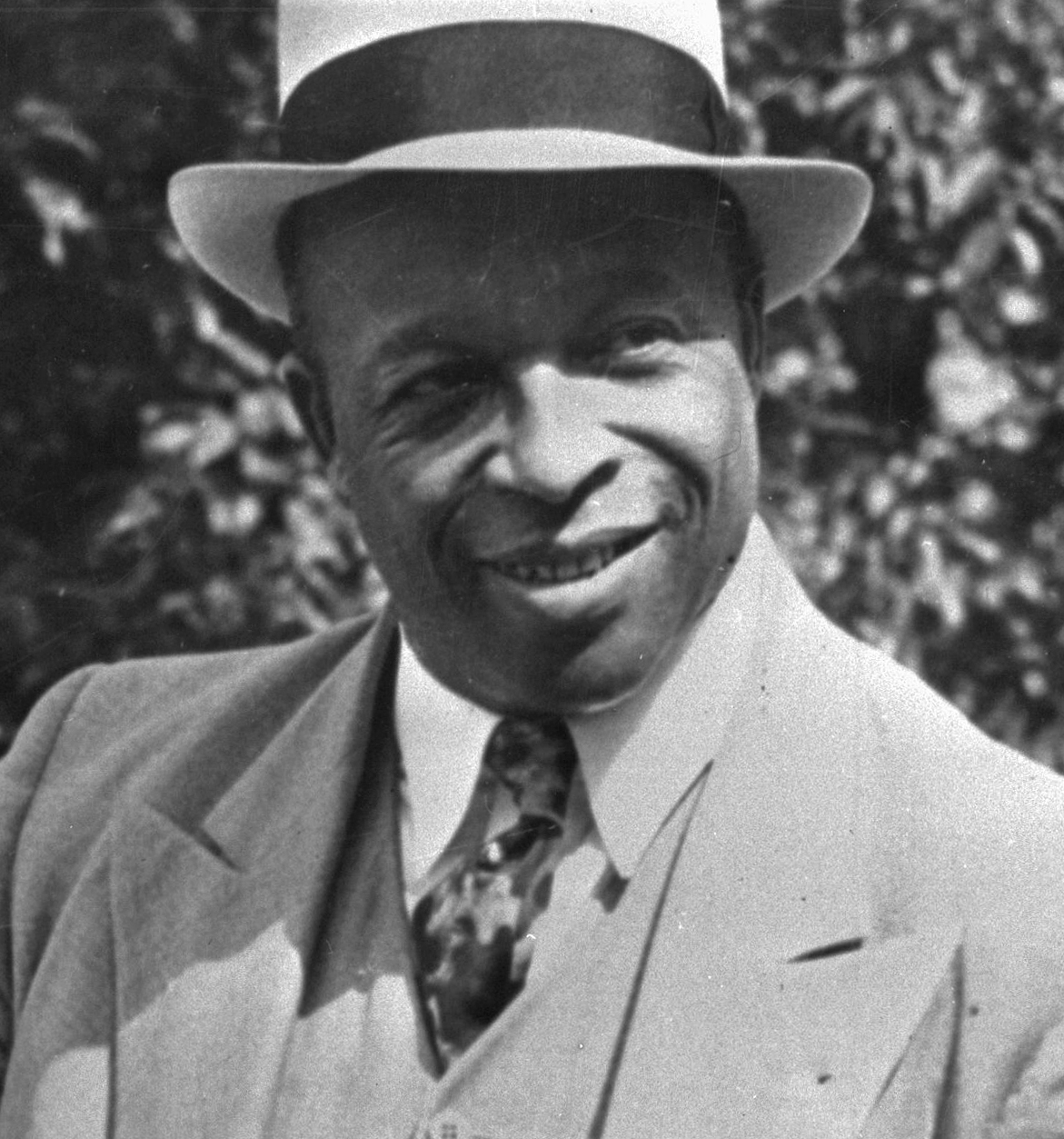
Father Divine (c.1876–1965) was an African American religious leader who founded the International Peace Mission, promoted communal economics and racial integration, and claimed divine status.
Father Divine (born circa 1876; died September 10, 1965) was an African American spiritual leader best known for establishing the International Peace Mission movement and for asserting that he was a manifestation of God. Active from the early 20th century until his death, he organized a network of houses, businesses and meeting halls that drew followers from diverse racial and economic backgrounds. His movement combined religious claims, social welfare programs and strict moral rules, and at its height had a national and international presence.
Image gallery
5 Images


Beliefs and organization
Father Divine taught a doctrine that fused Christian vocabulary with his own revelations. He insisted on personal holiness, temperance, and obedience to the Mission's rules. Core practices and institutional features included:
- Communal support: Mission houses provided room, board and employment for adherents and for those in need, often operating restaurants, hotels and small businesses.
- Moral discipline: Members were expected to refrain from alcohol, tobacco and illicit sex and to follow a strict code of conduct.
- Racial integration: Unlike many contemporary religious groups, the Peace Mission emphasized interracial fellowship and provided services to people of different races.
- Charismatic authority: Divine exercised centralized control; he selected leaders, set policy and was treated by followers as an infallible spiritual figure.
History and development
Divine emerged as a public religious figure in the early 1900s and gradually built a movement that expanded during the Great Depression and World War II, when economic hardship made the Mission's mutual aid attractive. He adopted the name Reverend Major Jealous Divine and, over decades, established congregations and communal enterprises in multiple American cities and abroad. In 1946 he married Edna Rose Ritchings, who became widely known within the movement as "Mother Divine" and served as his public partner in later years.
Impact and public role
The International Peace Mission combined spiritual claims with practical assistance. Mission hotels and restaurants provided meals and jobs; the organization encouraged thrift and self-sufficiency among followers. Father Divine's insistence on interracial meetings and his public presence in civic life contributed to broader conversations about race and social welfare in mid-20th-century America. Supporters credit him with improving living standards for many adherents and with promoting racial equality in practice.
Controversies and legacy
Father Divine was a polarizing figure. He openly claimed divine status, a claim that prompted admiration from followers and skepticism or hostility from others. Critics described the movement as authoritarian or cultlike; contemporaneous opponents and some officials brought legal and social challenges against the Mission. After his death in 1965 the Peace Mission faced succession disputes and a period of reorganization. A minister with the same surname, Jim Jones, and the later Peoples Temple are often mentioned in discussions of 20th-century American charismatic movements, though they represent different trajectories and controversies in religious history. For further reading and sources, see contemporary accounts and scholarly studies that analyze Father Divine's social programs, theology and historical role.
See also: biographical sources, religious context, claims of divinity, comparative movements, Jim Jones and Peoples Temple.
Related articles
Author
AlegsaOnline.com Father Divine and the International Peace Mission Leandro Alegsa
URL: https://en.alegsaonline.com/art/118849