
Estanislau da Silva
East Timorese politician, long-time Fretilin member who served as Prime Minister in 2007 and has held senior parliamentary and government roles during the nation’s early years of independence.
Overview
Estanislau da Conceição Aleixo Maria da Silva (born 4 August 1952) is an East Timorese politician and senior member of the Revolutionary Front for an Independent East Timor (Fretilin). He served as Prime Minister of Timor-Leste from May to August 2007 during a transitional period that followed national political unrest and parliamentary elections. He has remained a notable figure in his party and in the country’s post-independence political development. For more on Fretilin see party information.
Image gallery
1 Image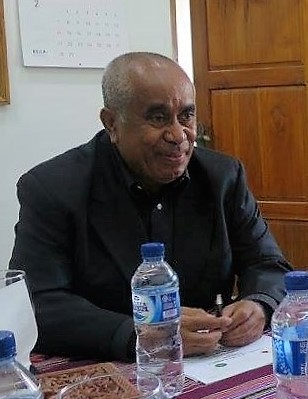
Political career and roles
Da Silva has been active in national politics since the transition to independence. He was re-elected to the National Parliament in the June 2007 legislative election, appearing ninth on Fretilin’s candidate list. His time as prime minister coincided with the formation of a new government after that election; his government oversaw ongoing administrative functions while political negotiations continued. Records summarising government compositions and timelines refer to his period in office as part of the broader post-election reorganization of Timorese politics (official records).
Responsibilities and focus
As prime minister in a caretaker capacity, Estanislau da Silva’s responsibilities included maintaining public services, coordinating ministerial activity and supporting the electoral and parliamentary processes that led to a new governing coalition. In parliament and in party work he has been associated with the generation of leaders who handled early state-building tasks after independence, contributing to legislative debates and party strategy.
Electoral history and significance
- Re-elected to the National Parliament in June 2007 (ninth on Fretilin’s list).
- Served as Prime Minister from May to August 2007 during a transition between administrations.
Da Silva’s career illustrates the continuity of political leadership in Timor-Leste’s formative years and the role senior Fretilin figures played in guiding the country through electoral contests and government formation. He remains a reference point in discussions of the party’s history and the broader narrative of East Timorese governance after 2002 independence.
Related articles
Author
AlegsaOnline.com Estanislau da Silva Leandro Alegsa
URL: https://en.alegsaonline.com/art/118703