
Enzo Ferrari: Founder of Scuderia Ferrari and the Ferrari Automaker
Enzo Ferrari (1898–1988) was an Italian racing driver and entrepreneur who founded Scuderia Ferrari and the Ferrari car company, shaping Grand Prix racing culture and high‑performance road cars.
Enzo Anselmo Ferrari (18 February 1898 – 14 August 1988) was an Italian race car driver, team manager and industrialist whose name became synonymous with high‑performance automobiles and Grand Prix competition. Known as Il Commendatore, he built one of the most famous marques in motorsport history and created a business model that linked competition success to the sale of exclusive road cars.
Image gallery
8 Images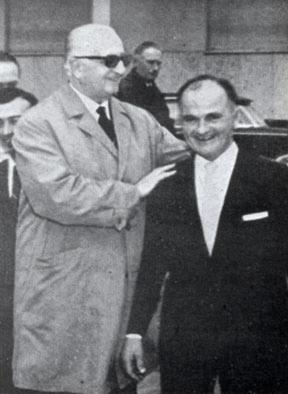

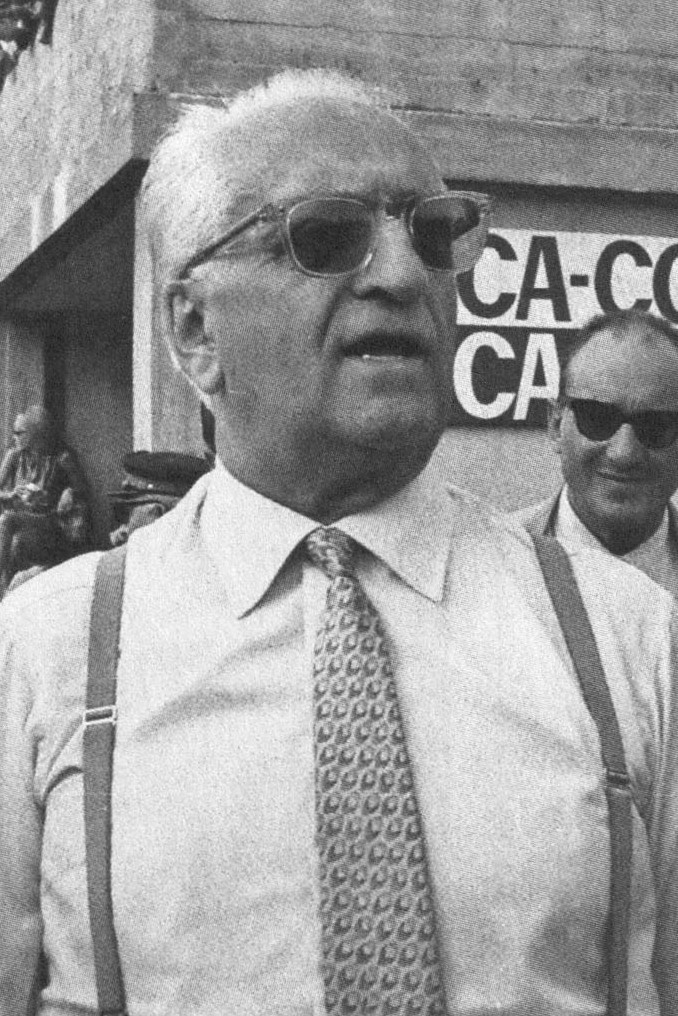


Early life and racing beginnings
Born in Modena, Ferrari developed an early interest in mechanics and motor sport. After the disruption of World War I he began to compete in local events and worked for small automotive firms. His driving career and organising skills led him to Alfa Romeo, where he eventually ran the racing department and helped manage factory and private entries.
Scuderia Ferrari and Alfa Romeo
In 1929 he founded Scuderia Ferrari initially as a racing stable and support organisation for private drivers, maintaining close ties to Alfa Romeo for many years. Under his leadership the Scuderia evolved from arranging entries for gentlemen drivers into a professional factory team that competed at the highest levels of international motorsport.
From racing team to car maker
After leaving Alfa Romeo in the late 1930s, Ferrari set up Auto Avio Costruzioni and, following World War II, established the Ferrari marque. The first car to bear the Ferrari name appeared in 1947 (the early road and competition cars that followed helped define the company’s reputation for performance). Racing remained central to the firm’s identity: success on the track was used to showcase engineering and to promote limited‑production, high‑performance road cars built at Maranello.
Approach, management and legacy
Ferrari was known for a hands‑on, authoritarian management style and an intense focus on competition. He preserved strict control over the brand’s image and product range while leveraging motorsport results to create desirability. In the 1960s the company accepted outside investment, but Enzo continued to influence racing and production strategy for many years. The firm he founded, widely referred to simply as Ferrari, remains a benchmark for performance, coachbuilding and automotive passion.
Notable facts
- Scuderia Ferrari began in 1929 and evolved from a racing stable into a factory team and automaker.
- The prancing horse emblem is associated with the World War I ace Count Francesco Baracca; the symbol became linked to Ferrari and the marque's racing identity.
- Ferrari balanced racing success with limited-production road cars to fund competition and build brand prestige.
- Enzo Ferrari’s influence extended beyond trophies: his name shaped a 20th‑century image of automotive performance, craftsmanship and exclusivity.
Enzo Ferrari died in 1988. His legacy endures through the Scuderia and the road cars that continue to carry the ethos he established: competition first, engineering excellence and a strong, recognisable brand identity that remains central to motorsport and automotive culture.
Questions and answers
Q: Who was Enzo Ferrari?
A: Enzo Ferrari was an Italian race car driver and entrepreneur, who was the founder of the Scuderia Ferrari Grand Prix motor racing team and the Ferrari car manufacturer.
Q: When was Enzo Ferrari born?
A: Enzo Ferrari was born on February 18, 1898.
Q: When did Enzo Ferrari die?
A: Enzo Ferrari died on August 14, 1988.
Q: What was Enzo Ferrari’s nickname?
A: Enzo Ferrari was nicknamed “the Commendatore”.
Q: What did Enzo Ferrari do besides racing?
A: Besides racing, Enzo Ferrari was an entrepreneur who founded the Scuderia Ferrari Grand Prix motor racing team and subsequently the Ferrari car manufacturer.
Q: What honor did Enzo Ferrari receive?
A: Enzo Ferrari was awarded the Cavaliere di Gran Croce OMRI honor.
Q: What legacy did Enzo Ferrari leave?
A: Enzo Ferrari left a legacy as an important figure in motorsports and a pioneer of high-performance sports cars. The Ferrari brand continues to be renowned for its luxury and high-performance vehicles.
Related articles
Author
AlegsaOnline.com Enzo Ferrari: Founder of Scuderia Ferrari and the Ferrari Automaker Leandro Alegsa
URL: https://en.alegsaonline.com/art/118573