
Enver Hoxha (1908–1985) — Leader of Communist Albania
Albanian communist leader Enver Hoxha led the country from 1944 to 1985, establishing a Stalinist, isolationist state marked by rapid social transformation, repression, and a lasting controversial legacy.
Overview
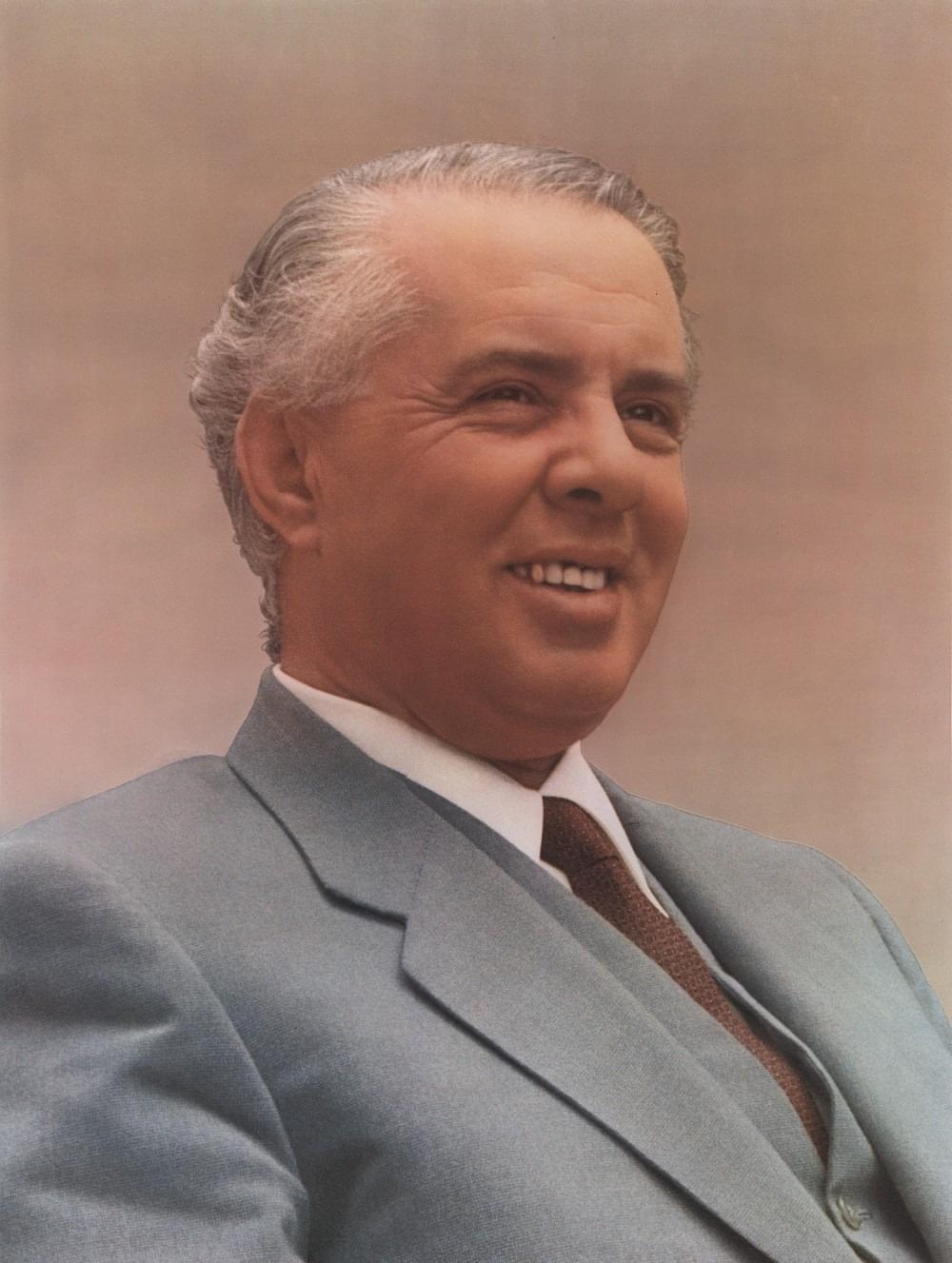
Enver Hoxha (16 October 1908 – 11 April 1985) was the dominant political figure in Albania from the end of World War II until his death. He served as First Secretary of the Party of Labour and effectively as head of government and state, often described as a communist dictator. His long rule reshaped Albania's institutions, society, and international stance.

Image gallery
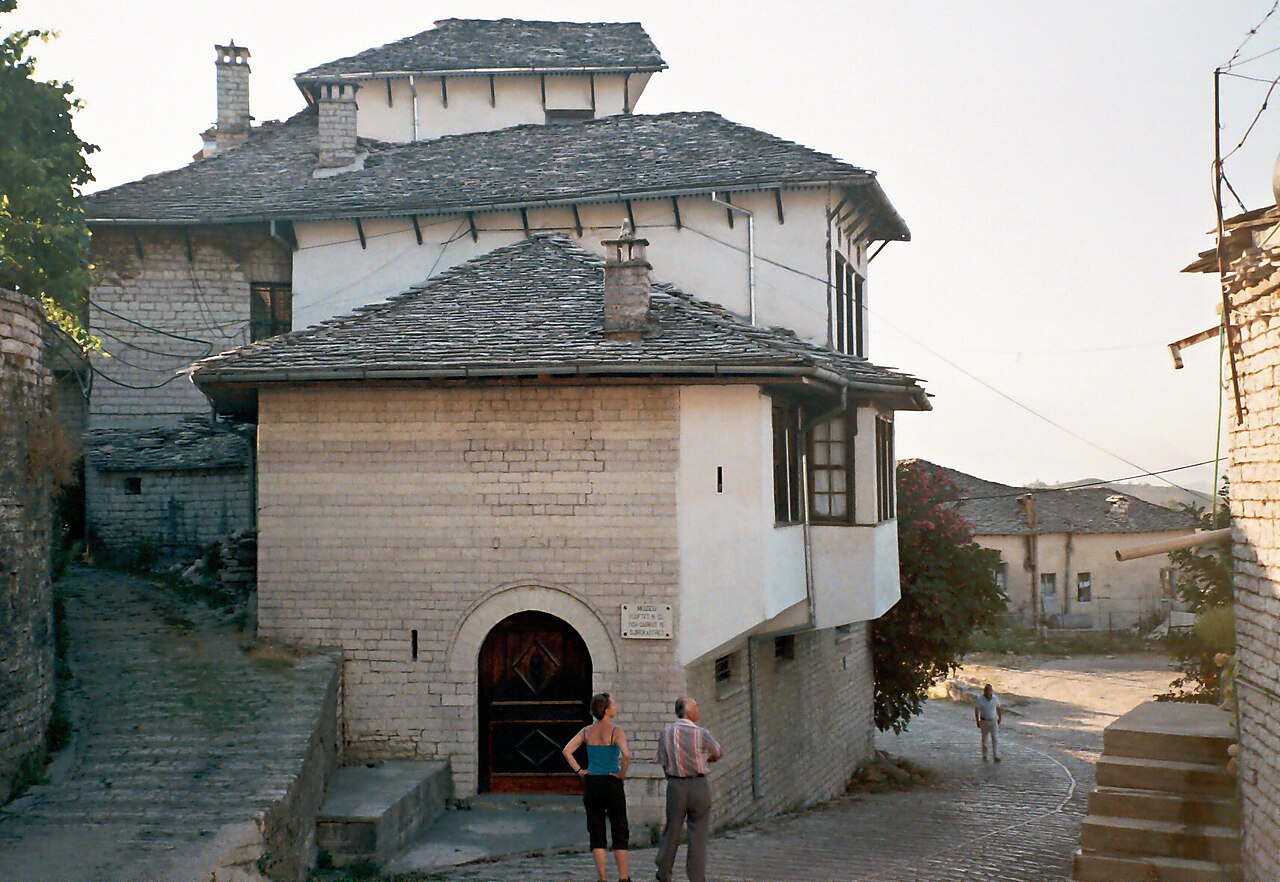
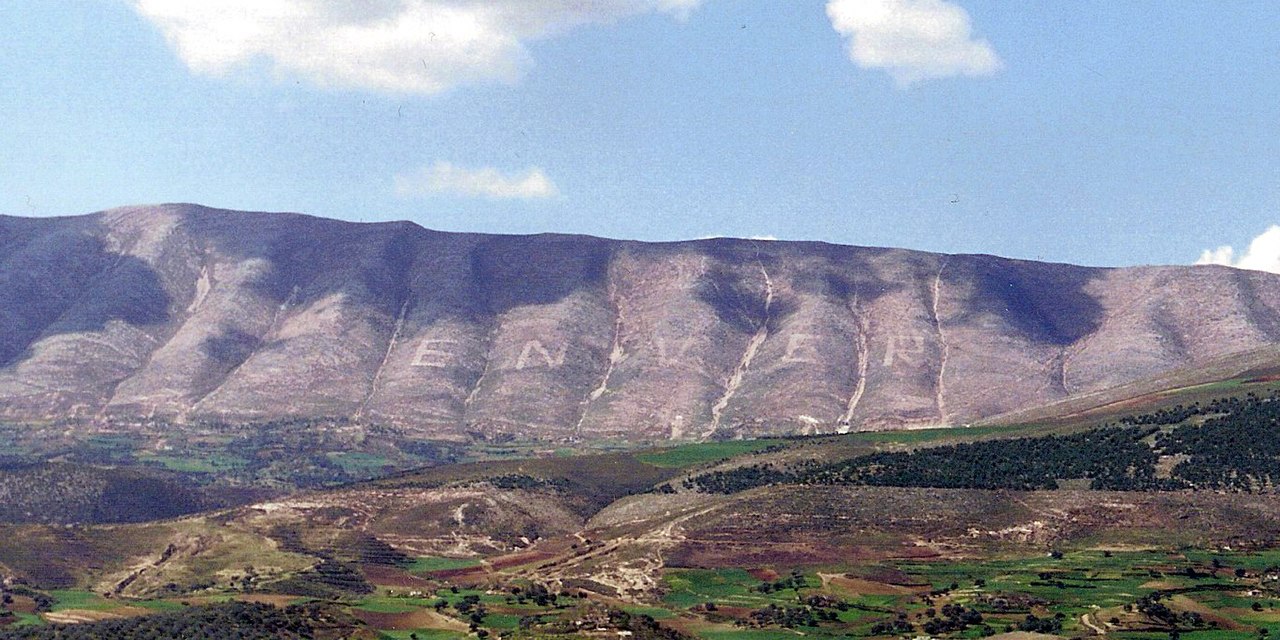
10 Images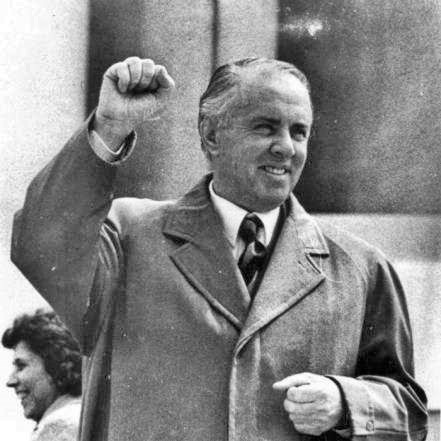





Rise to power and state structure
Hoxha rose to prominence as a leader of the anti-fascist partisans during the war and after 1944 established a one-party socialist state. Over decades he consolidated authority through the party apparatus and state institutions. In 1976 a new constitution formalised the country's socialist character and centralized power in the Party of Labour, with Hoxha at its head. He is sometimes referred to by his official title, First Secretary, while also holding government positions such as prime minister in earlier years.
Policies and domestic program
Hoxha modelled Albania's polity on orthodox Stalinist principles: strict state control of the economy, rapid nationalization of industry and land, and programs aimed at literacy and public health. Official policy emphasised self-reliance and industrial development over market reforms. Distinctive elements included:
- Extensive nationalization and collectivization of agriculture and enterprises
- Campaigns to increase literacy and expand basic services
- A sustained cult of personality around Hoxha and tight party discipline
Foreign relations and isolation
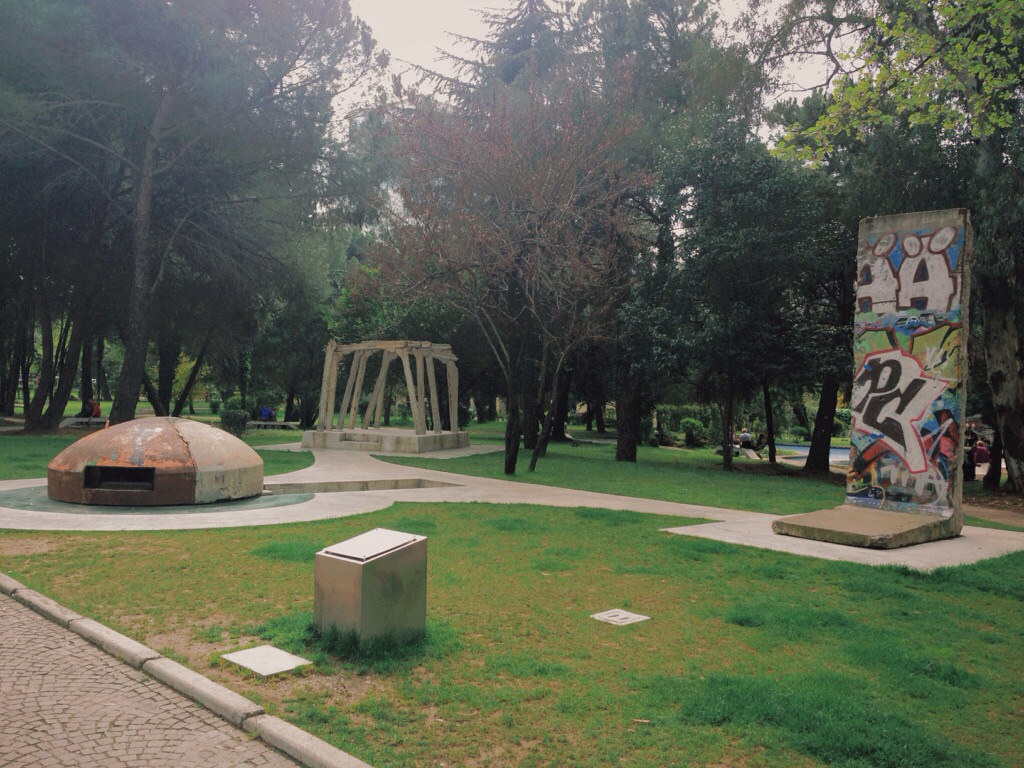
Hoxha's foreign policy was marked by sharp shifts and growing isolation. After initial ties with neighboring socialist states, Albania broke with Yugoslavia, later with the Soviet Union following de-Stalinization, and ultimately with the People's Republic of China in the late 1970s. By the 1970s Albania pursued autarky and strategic independence, investing in defensive measures such as an extensive network of bunkers and restricting foreign influence.
Repression, religion and human rights
The regime used political repression to eliminate opposition: purges within the party, summary trials, executions, and imprisonment in forced labour camps affected thousands. In 1967 the state launched an aggressive campaign against religious institutions, closing many churches and mosques and declaring Albania an atheist state. Critics and later human rights investigations emphasise the severe curtailment of civil liberties and widespread surveillance under Hoxha's leadership.
Legacy and assessment
Hoxha's legacy remains deeply contested. Supporters credit him with rapid social change, advances in education and public health, and defending national sovereignty. Opponents point to repression, economic stagnation, and isolation that left Albania among Europe's poorest countries by the 1980s. After the collapse of the communist system in the early 1990s, Albania underwent political and economic transitions that reassessed Hoxha's record and removed many symbols of his rule.
For further reading on related topics, see entries about Albanian history and 20th-century communist regimes. Prime minister | Albania | Communist
Related articles
Author
AlegsaOnline.com Enver Hoxha (1908–1985) — Leader of Communist Albania Leandro Alegsa
URL: https://en.alegsaonline.com/art/118571
Sources
- Enver Hoxha
- wikidata.orgQ53783.html : wikidata.orgq53783.html
- authority.bibsys.no : 90165944
- bncatalogo.cl : 000505390
- catalogo.bne.es : XX973436
- catalogue.bnf.fr : cb119017946
- data.bnf.fr : (data)
- cantic.bnc.cat : a10938011
- ci.nii.ac.jp : DA03851864
- d-nb.info : 118553879
- isni.org : 0000 0001 0930 018X
- id.loc.gov : n79081298
- kopkatalogs.lv : 000242302
- aleph.nkp.cz : jn19981001479
- nla.gov.au : 35209717