
Eino Leino — Finnish poet, journalist, and cultural pioneer
Eino Leino (1878–1926) was a leading Finnish poet and journalist whose fusion of folk tradition and modern sensibility shaped Finland's literary identity. His songs and poems remain central to Finnish culture.
Overview
Eino Leino (6 July 1878 – 10 January 1926) is widely regarded as one of the founders of modern Finnish poetry. A prolific writer and active journalist, Leino brought together the vernacular rhythms and imagery of Finnish folk tradition with contemporary themes and personal reflection. His work helped to shape a national literary language and continues to be read, sung and commemorated in Finland.
Image gallery
6 Images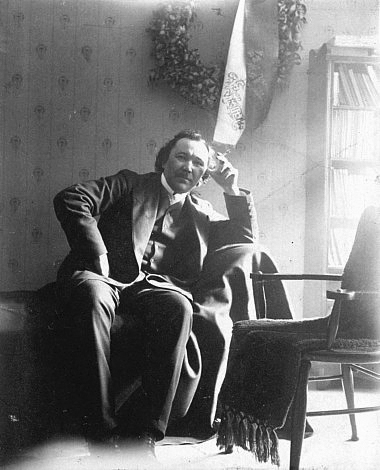


Life and career
Leino wrote for newspapers and periodicals while producing poetry, essays and reviews. His public role as a critic and commentator made him a visible figure in Finland's cultural life during the late 19th and early 20th centuries. Though his output covers many forms, he is best known for lyric poetry that often reads like song or incantation. For more on biographical background see biographical resources.
Poetic style and themes
Leino fused older oral traditions with modern literary sensibilities. He frequently used metre and images reminiscent of the Kalevala and Finnish folk song, adapting archaic cadences to express contemporary emotions. Central themes include love, longing and melancholy, as well as nature, mortality and questions of national identity. His voice ranges from intimate love lyrics to epic-tinged, mythic poems that evoke collective memory. Examples and analyses are available at selected works and studies.
Major works and influence
Among Leino's most lasting achievements are collections that draw on mythic and folk sources while remaining distinctly personal. Many poems have entered the oral and musical tradition: composers and performers have set numerous texts to music, ensuring their circulation beyond the printed page. His blending of folk metre with modern imagery influenced later Finnish poets and helped consolidate Finnish poetry as an expressive vehicle for national and individual concerns. Critical and archival material can be consulted via cultural archives.
Legacy and commemoration
Leino's significance endures through translations, musical adaptations and commemorations. In Finland his birthday, 6 July, is observed by many as a day of cultural remembrance and events celebrating literature and music. His name is often invoked in discussions of Finnish national-romanticism and the development of modern Finnish as a literary language. Further cultural context is outlined at contextual resources.
Notable facts
- He combined folk influences and Kalevalaic rhythms with modern themes of love and loss.
- Many of his poems became songs and remain in the repertoire of Finnish performers.
- Besides poetry, he worked extensively as a journalist, critic and essayist.
- His work occupies an important place in Finland's transition from oral tradition to modern literature.
Taken together, Eino Leino's writings formed a bridge between vernacular tradition and the literary movements of his time. His ability to make ancient rhythms speak to modern experience is a main reason his work remains part of Finland's cultural heritage.
Related articles
Author
AlegsaOnline.com Eino Leino — Finnish poet, journalist, and cultural pioneer Leandro Alegsa
URL: https://en.alegsaonline.com/art/118240
Sources
- kirjasto.sci.fi : Eino Leino