
Edgar Ray Killen
American Ku Klux Klan organizer convicted in 2005 for the 1964 murders of three civil rights workers in Mississippi, a late high-profile prosecution of civil-rights era violence.
Edgar Ray Killen (January 17, 1925 – January 11, 2018) was an American organizer in the Ku Klux Klan and a central figure in the 1964 killings of three civil rights activists in Mississippi. The case became one of the most prominent investigations into racially motivated violence during the civil rights era and led to a state murder conviction for Killen more than four decades later.
Image gallery
4 Images


Background and affiliations
Born in Philadelphia, Mississippi, Killen was active in local community life and is widely reported to have been involved in religious and civic roles in his county. He also organized and led local chapters of the Ku Klux Klan, a white supremacist movement opposed to the civil rights efforts of the 1960s. Contemporary accounts and later trials described him as a recruiter and coordinator of Klan activities in Neshoba County and surrounding areas. The organization is often referenced as the Ku Klux Klan.
1964 murders and investigations
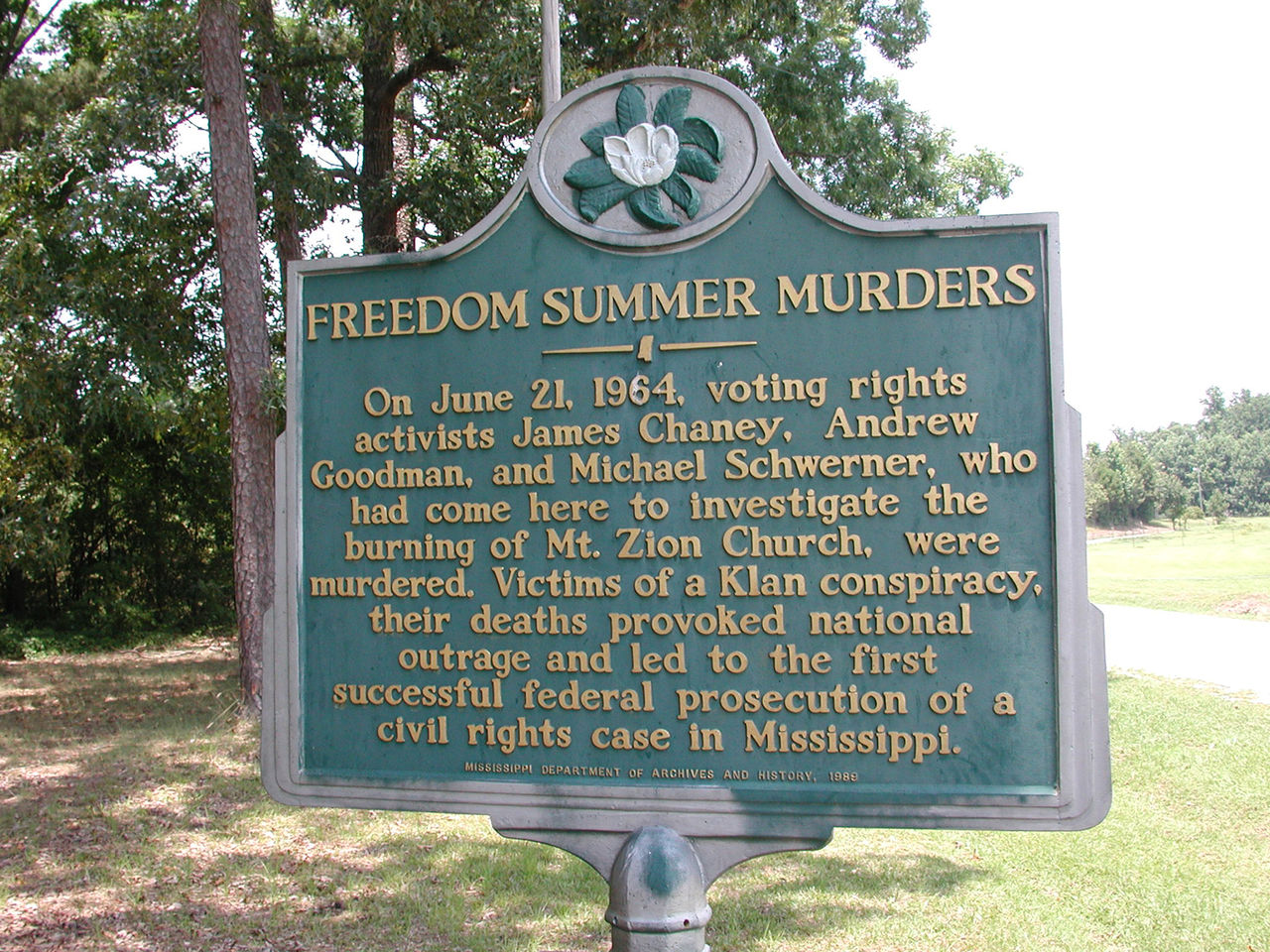
In June 1964 three civil rights workers — James Chaney, Andrew Goodman and Michael Schwerner — disappeared during Freedom Summer, a campaign to register African American voters in Mississippi. Their disappearance and subsequent discovery of their bodies triggered a large federal investigation into racially motivated killings. Killen was implicated by investigators and witnesses as having a leadership role in the conspiracy that led to the murders.
Trials and conviction
Federal prosecutions in 1967 resulted in convictions of several conspirators for civil rights violations; a jury in Killen’s federal case failed to reach a verdict. Decades later, renewed local attention and persistent investigative work led Mississippi authorities to bring state murder charges against Killen. In 2005 he was convicted of three counts of murder and received concurrent sentences that amounted to a lengthy prison term. The conviction was widely reported as an example of delayed legal accountability for civil-rights era crimes.
Legacy and significance
The Killen prosecutions highlighted the challenges of prosecuting racially motivated crimes decades after they occurred, and they formed part of broader efforts to re-examine cold cases from the civil rights period. The case influenced public memory of Freedom Summer and was referenced in cultural treatments of the era, including works of journalism and dramatizations that explored the violence faced by civil rights activists.
Edgar Ray Killen died in custody in January 2018 at the age of 92. His life and trials remain cited in discussions of civil rights history, racial violence in the United States, and the long pursuit of justice for crimes committed during the 1960s.
Related articles
Author
AlegsaOnline.com Edgar Ray Killen Leandro Alegsa
URL: https://en.alegsaonline.com/art/118069
Sources
- depauw.edu : "'Mississippi Burning' Case Begins New Chapter, as Prof. Ken Bode Previews Trial - DePauw University"
- crmvet.org : "Civil Rights Movement Veterans Website -- Neshoba Murders Case — A Chronology"
- yallpolitics.com : "Ex-Klansman sues FBI, claims agency used mafia hit man and secret informants against him"
- clarionledger.com : "Klansman who orchestrated Mississippi Burning killings dies in prison"