
Dylann Roof: perpetrator of the 2015 Charleston church attack
Profile of Dylann Roof, who carried out the 2015 Charleston church massacre. Covers background, the attack, criminal proceedings, sentences, and the broader social and legal impact.
Overview
Dylann Storm Roof (born April 3, 1994) is an American who has been widely described as a white supremacist and a mass murderer. He is best known for opening fire at the Emanuel African Methodist Episcopal Church in Charleston, South Carolina, in June 2015, killing nine people. Roof’s actions and stated motives prompted national debate about racism, domestic extremism, Confederate symbolism, and federal hate-crime enforcement.
Image gallery
3 Images

Background
Roof grew up in South Carolina and, according to court records and reporting, began to adopt racially motivated views as a teenager. In the period before the attack he exchanged messages and posted images online that indicated extremist sympathies. Those expressions of ideology were later used as evidence of motive during prosecutions.
The Charleston church attack
On June 17, 2015, Roof entered a Bible study meeting at the historic Emanuel AME Church and fatally shot nine worshippers. The victims were African American community members; survivors and witnesses reported that the attack was driven by racial animus. The crime is commonly referred to as the Charleston church shooting and drew widespread media attention and public grief.
Criminal proceedings and convictions
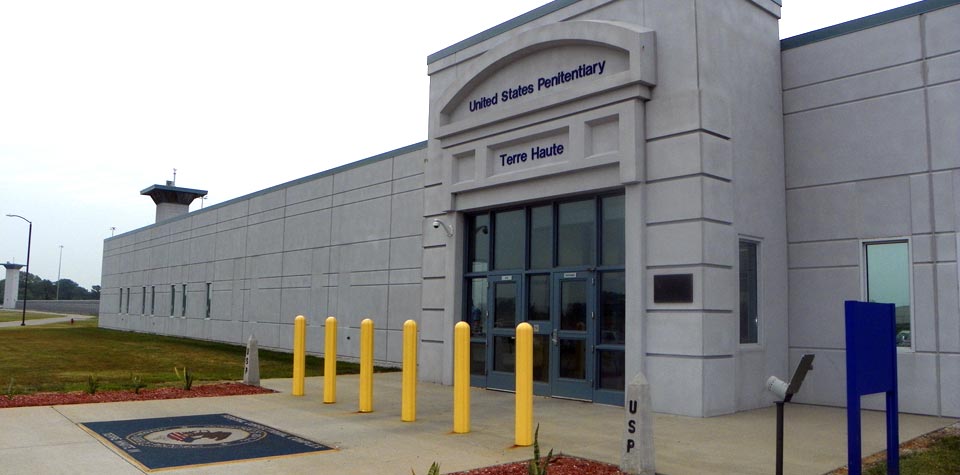
Roof was arrested shortly after the shooting and prosecuted in both federal and state courts. In federal proceedings he was convicted on multiple counts related to the killings and was found guilty of federal hate crimes. The federal jury imposed a sentence of death on January 11, 2017 after conviction on all federal counts on December 15, 2016. Separate state prosecutions resulted in additional sentences: state judges later imposed multiple terms of life in prison without parole. The federal case was tried in a federal court, and appeals and procedural reviews have followed the initial trials.
Aftermath and significance
The attack had wide-ranging effects on public discussion and policy. It renewed conversations about domestic terrorism motivated by racism, prompted removal of Confederate symbols from public spaces in some jurisdictions, and led to legislative and advocacy efforts addressing hate crimes, gun access, and community protection for historically marginalized congregations. The killings also stimulated scholarship and journalism on the online radicalization of lone attackers.
Notable facts and distinctions
- Roof’s prosecution combined state and federal charges, illustrating how hate-crime statutes and capital punishment can be applied in racially motivated mass killings.
- The case highlighted the role of digital evidence in proving motive and intent in modern prosecutions.
- Public reaction included vigils, interfaith responses, and calls for policy change at local and national levels.
The legal outcomes and societal responses to Roof’s actions continue to be referenced in discussions about violent extremism, race relations, and criminal justice in the United States.
white supremacist | mass murderer | Charleston church shooting | federal court | hate crimes | life in prison
Related articles
Author
AlegsaOnline.com Dylann Roof: perpetrator of the 2015 Charleston church attack Leandro Alegsa
URL: https://en.alegsaonline.com/art/117988
Sources
- justice.gov : "Attorney General Lynch Statement Following the Federal Grand Jury Indictment Against Dylann Storm Roof"
- washingtonpost.com : "Dylann Roof found guilty on all counts in Charleston church massacre trial"
- nytimes.com : "Dylann Roof Found Guilty in Charleston Church Massacre"
- vanndigital.com : "Dylann Roof Gets Death Penalty For Racially Motivated Charleston Church Shooting"
- chicagotribune.com : "Dylann Roof to plead guilty to state murder charges, avoiding second death penalty trial"
- theguardian.com : "Charleston church shooter Dylann Roof pleads guilty to state murder charges"
- nbcnews.com : "Dylann Roof: Charleston Church Shooter Gets Nine Life Sentences in State Case"
- chicagotribune.com : "Charleston church shooter Dylann Roof pleads guilty, awaits execution"