
Deodoro da Fonseca — First President of the Republic of Brazil
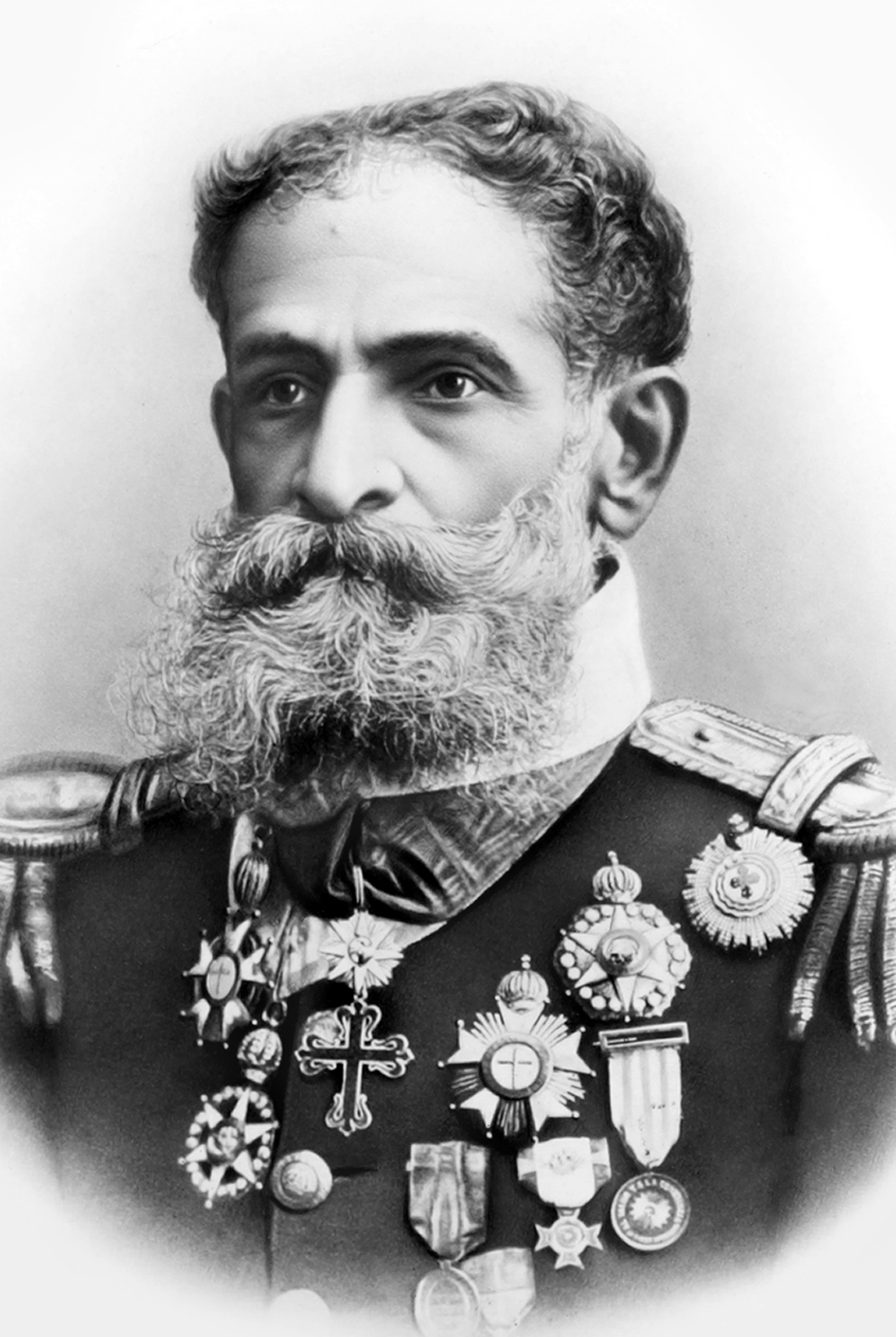
Manuel Deodoro da Fonseca (1827–1892) was a Brazilian army marshal who led the 1889 coup that ended the empire and became the first president during the Republic's founding era.
Manuel Deodoro da Fonseca was a Brazilian military officer and statesman who played a central role in the transition from empire to republic. Born in the province of Alagoas on August 5, 1827, he rose through the army ranks and became widely known as Marshal Deodoro. In November 1889 he led the military movement that deposed the monarch, Emperor Dom Pedro II, and took charge of the new government, becoming the first head of the Republic of Brazil.
Image gallery
6 Images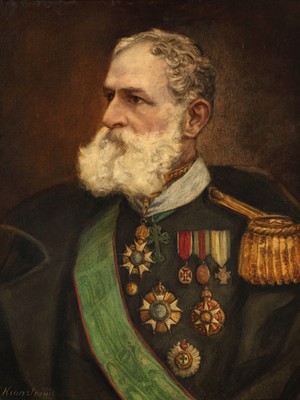



Military career and rise
Deodoro's professional life was shaped by a long military career. He served in important campaigns of the 19th century, earning recognition among officers and troops. His experience and standing within the army made him a central figure when political tensions grew between monarchists and republican forces. Although not originally a radical republican, he accepted leadership of the movement that sought to alter Brazil's constitutional order.
Proclamation of the Republic and presidency
On November 15, 1889, the monarchy was overthrown and a provisional government was established with Deodoro at its head. He initially led a provisional administration that had to organize governance, manage relations with civilian leaders and the armed forces, and prepare for a constitutional arrangement. A new constitution would be promulgated in 1891, during the turbulent early years of the republic. Deodoro served as head of state during this formative period and later as the Republic's first elected president.
Challenges, policies and resignation
The early republic faced economic difficulties, regional unrest and sharp disputes about the balance of power between the executive and the legislature. Deodoro's time in office was marked by disagreements with political groups and institutional strain as Brazil adapted from a monarchical to a republican system. Confrontations with Congress, governance crises and health concerns undermined his position, and he left the presidency in late 1891. His vice president, who succeeded him, steered the republic through its next phase.
Legacy and notable facts
- Deodoro is remembered as the figure who led the end of the Brazilian Empire and the birth of the republic.
- His name is attached to places in Rio de Janeiro and to military institutions, reflecting his army background.
- Family ties continued in national politics: a younger generation of his family later became prominent in public life.
Deodoro da Fonseca died in Rio de Janeiro on August 23, 1892. Historians view him as a pivotal but controversial founding figure: credited with enabling a republican transformation while criticized for his government's instability and the difficulties that accompanied the regime change.
Questions and answers
Q: Who was Deodoro da Fonseca?
A: Deodoro da Fonseca was a Marshal who was the first president of the Republic of Brazil.
Q: When was Deodoro da Fonseca born?
A: Deodoro da Fonseca was born on August 5, 1827.
Q: Where was Deodoro da Fonseca born?
A: Deodoro da Fonseca was born in Alagoas City.
Q: What did Deodoro da Fonseca do to become the president of Brazil?
A: Deodoro da Fonseca put down the Emperor Pedro II through a military strategy to become the president of Brazil.
Q: When did Deodoro da Fonseca become the president of Brazil?
A: Deodoro da Fonseca became the president of Brazil after he put down the Emperor Pedro II.
Q: When did Deodoro da Fonseca die?
A: Deodoro da Fonseca died on August 23, 1892.
Q: Where did Deodoro da Fonseca die?
A: Deodoro da Fonseca died in Rio de Janeiro.
Related articles
Author
AlegsaOnline.com Deodoro da Fonseca — First President of the Republic of Brazil Leandro Alegsa
URL: https://en.alegsaonline.com/art/117556