
Denis Mukwege: Congolese gynecologist and advocate against sexual violence
Denis Mukwege (born 1955) is a Congolese gynecologist who founded Panzi Hospital in Bukavu and is known for treating survivors of wartime sexual violence and for his international advocacy.
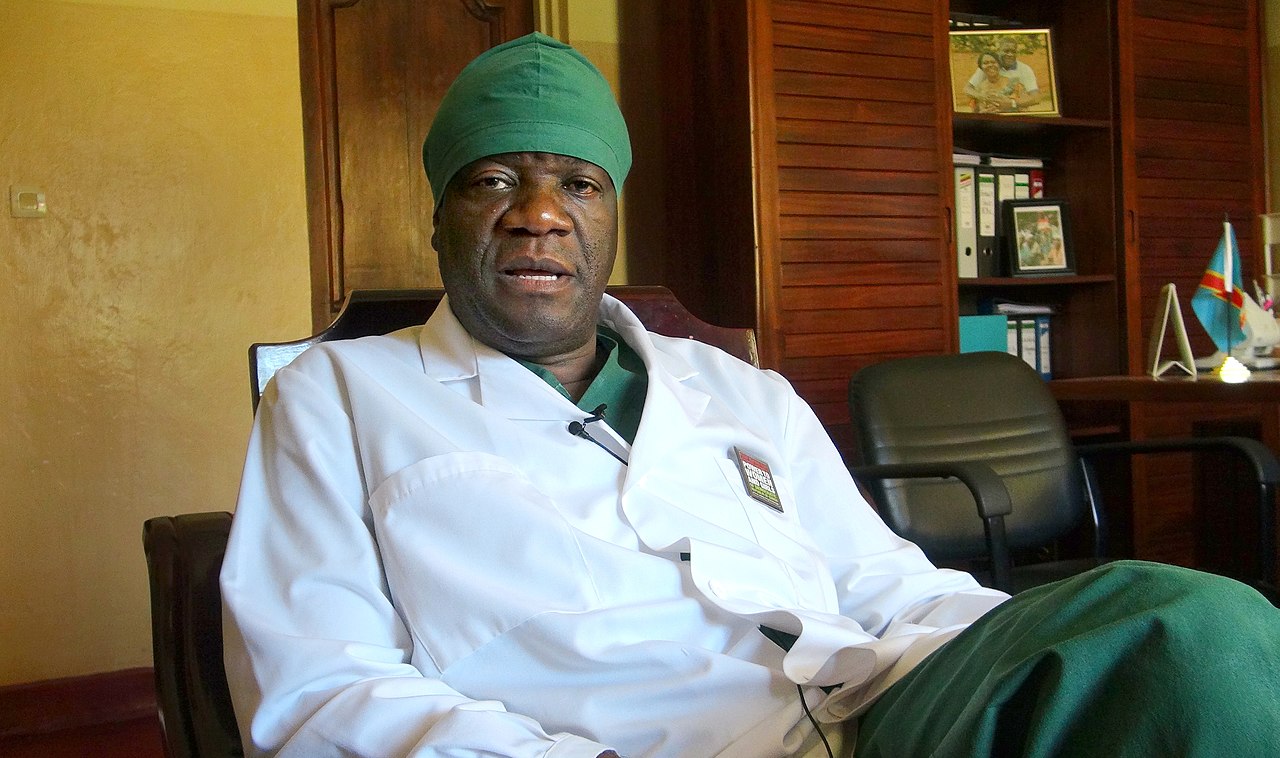
Denis Mukwege (born 1 March 1955) is a Congolese gynecologist and surgeon best known for his work treating survivors of sexual violence and for speaking out against the use of rape as a weapon of war. He founded and leads Panzi Hospital in Bukavu, where medical care is combined with psychosocial support and legal aid for women and girls who have suffered extreme sexual and gender-based violence.
Image gallery
6 Images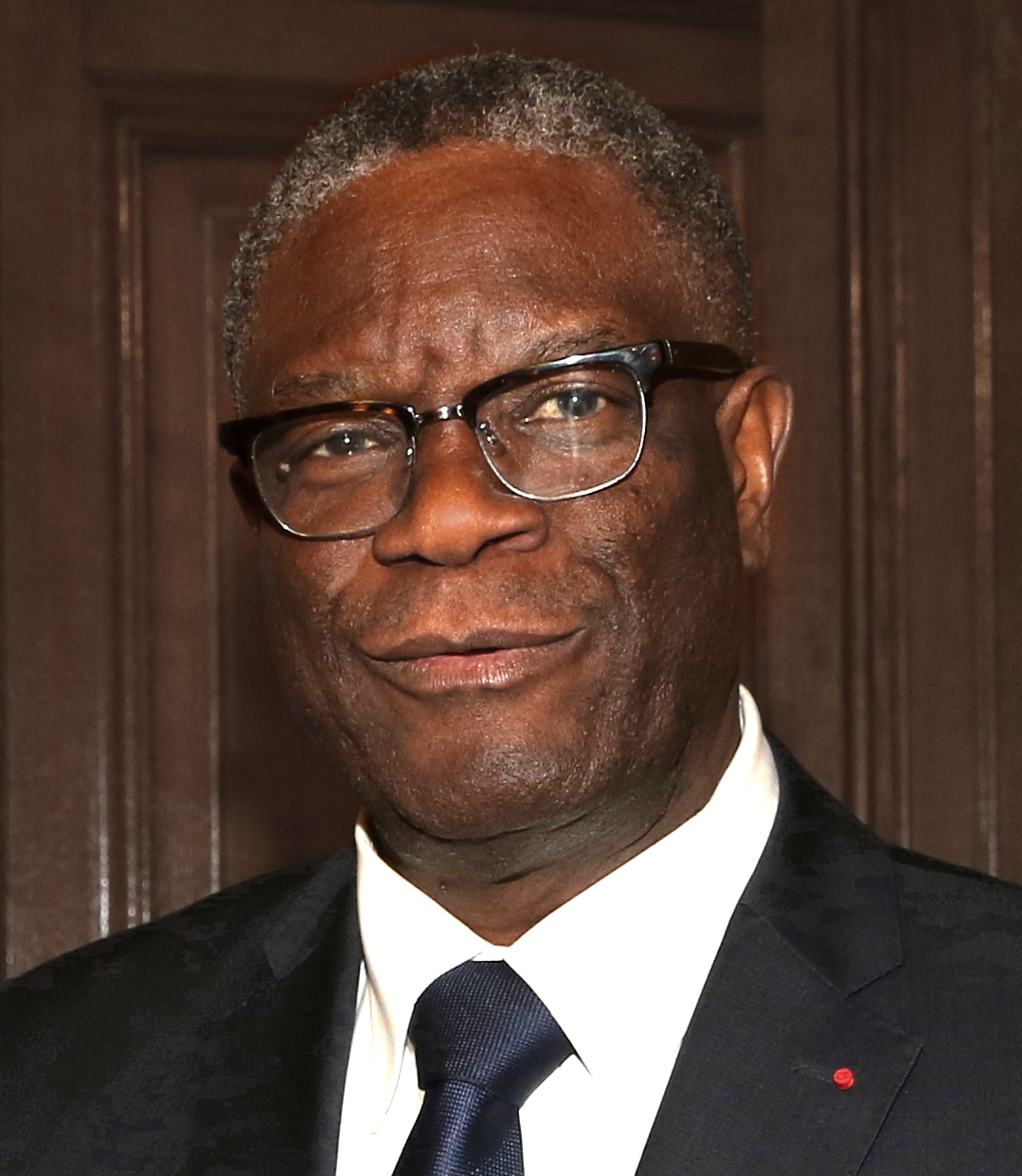



Medical work and approach
Mukwege's clinical practice emphasizes multidisciplinary treatment. Survivors receive reconstructive surgery, infection control and general medical care alongside counseling, rehabilitation and assistance to pursue legal remedies. The Panzi approach aims not only to repair physical injuries but also to restore dignity, social functioning and economic independence.
- Reconstructive gynecological and urological surgery
- Mental health and psychosocial rehabilitation
- Legal support, documentation and community reintegration
Context and scale of the problem
Mukwege and his team have treated thousands of women who were victims of conflict-related sexual violence since the wars in eastern Democratic Republic of the Congo. Many victims were gang-raped by rebel forces as part of broader patterns of warfare; others endured sexual assault used to terrorize communities and to achieve military objectives. His hospital’s caseload illustrates how sexual violence can be deployed systematically in some armed conflicts and highlights the long-term medical and social consequences for survivors.
Advocacy, recognition and challenges
Beyond clinical work, Mukwege has become a prominent advocate for policy change, criminal accountability and better protection for civilians. He has addressed international bodies, collaborated with human rights groups, and worked to raise global awareness that sexual violence is often a deliberate tactic in armed conflict. In 2018 he shared the Nobel Peace Prize with Nadia Murad for efforts to end the use of sexual violence as a weapon of war; the Nobel citation emphasized prevention, justice and support for survivors. His activism has exposed him and his institution to political pressure and threats, at times forcing temporary relocations to ensure personal safety.
Legacy and ongoing importance
Mukwege’s career illustrates the intersection of medicine, human rights and advocacy. Panzi Hospital has served as a model for integrated survivor care and for linking clinical treatment with legal and social interventions. His work helped shift international conversations about wartime sexual violence from isolated incidents to crimes that demand prevention, prosecution and comprehensive care for victims. The global attention his work attracted has contributed to expanding services and encouraging research into the causes and consequences of conflict-related sexual violence; however, the underlying drivers of such violence remain a regional and international challenge.
For further context on wartime sexual violence and survivor services, see reports and summaries available from humanitarian and human rights organizations that track conflict-related abuses and support programs for survivors, including documentation on wartime rape.
Related articles
Author
AlegsaOnline.com Denis Mukwege: Congolese gynecologist and advocate against sexual violence Leandro Alegsa
URL: https://en.alegsaonline.com/art/117515
Sources
- youtube.com : English pronunciation of Denis Mukwege
- psmag.com : "Doctor and Advocate: One Surgeon's Global Fight for the Rights of Rape Survivors"
- theglobeandmail.com : "Where repairing rape damage is an expertise,"
- old.nobelprize.org : "Announcement"
- wikidata.orgQ1187542.html : wikidata.orgq1187542.html
- authority.bibsys.no : 15045835
- catalogue.bnf.fr : cb16644939b
- data.bnf.fr : (data)
- d-nb.info : 1046715771
- isni.org : 0000 0003 9582 4098
- id.loc.gov : n2012006138
- aleph.nkp.cz : jx20140612004
- data.bibliotheken.nl : 331589931
- libris.kb.se : 371510
- idref.fr : 181760703