
David Bernhardt: career, role at the Interior Department, and controversies
Profile of David Bernhardt, former U.S. Secretary of the Interior (2019–2021): career path, responsibilities, policy priorities, controversies over lobbying ties, and his legacy for federal land and resource management.
David Longly Bernhardt (born August 17, 1969) is an American attorney, former lobbyist and government official who served as the 53rd United States Secretary of the Interior. He led the Department of the Interior from April 2019 until the end of the Trump administration, after serving as Deputy Secretary and as Acting Secretary. His tenure brought a combination of regulatory changes, emphasis on energy and resource development, and public scrutiny over the influence of private-sector experience on public duties.
Image gallery
5 Images

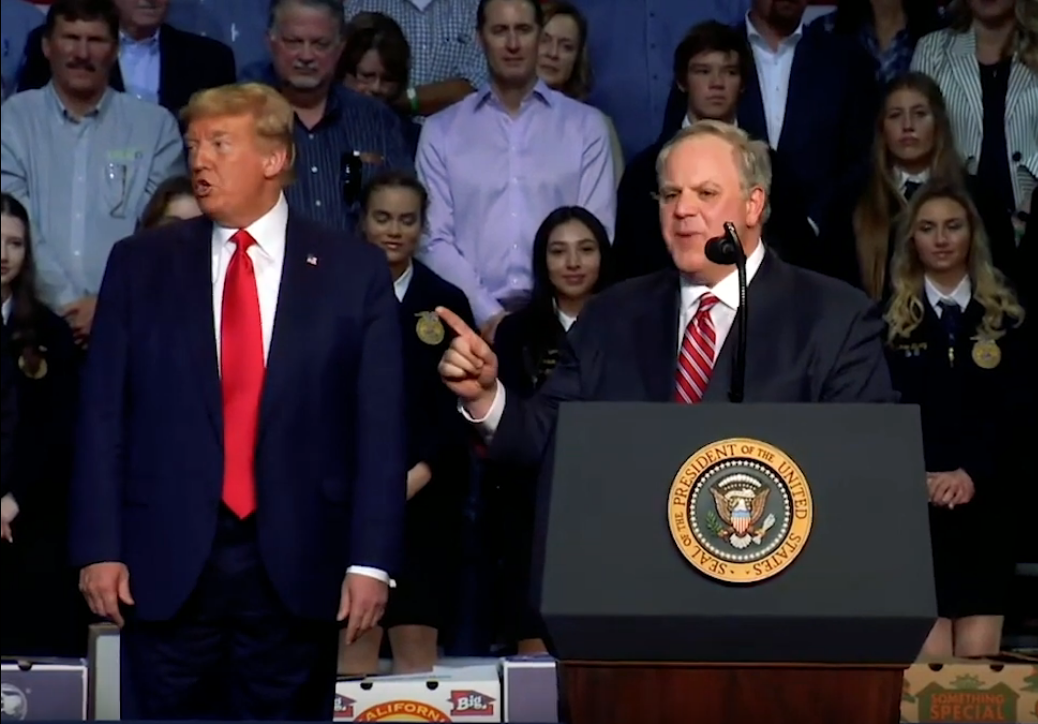


Early career and private sector work
Bernhardt began his professional work in and around federal natural resources law. Early in his career he held legal roles at the Department of the Interior and later moved into private practice. In the private sector he worked as an attorney and lobbyist representing clients with interests in energy, water and land use. His background in both government and industry gave him detailed familiarity with the statutes and programs that shape federal land management and natural resources policy.
At the Department of the Interior
Within the Department of the Interior he served as Solicitor and later returned to the department in senior leadership roles. In 2017 President Donald Trump nominated him to be Deputy Secretary; the Senate confirmed him and he assumed that role. He became Acting Secretary at the beginning of 2019 when Secretary Ryan Zinke resigned, and was later nominated and confirmed as Secretary of the Interior. As Secretary he oversaw agencies responsible for the stewardship of federal lands and waters, Native American trust responsibilities and a range of conservation and resource programs managed by the Department of the Interior.
Policy priorities and areas of responsibility
The Interior Department has a wide portfolio, and under Bernhardt priorities included facilitating energy development on federal lands, reforming regulatory processes, and promoting certain land and water infrastructure projects. Key areas under his authority included management of national parks and public lands, federal oil and gas leasing, endangered species policy, and consultations with tribal governments and Alaska Native corporations. Supporters described his agenda as focused on economic development and reducing regulatory complexity; critics argued it favored extractive industries over conservation.
Controversies, ethics and public response
Bernhardt’s previous work as a lobbyist drew attention after he returned to the Interior Department. Observers and advocacy groups raised concerns about conflicts of interest and the revolving-door relationship between industry and government. During his time in office he was subject to ethics reviews and faced public scrutiny over participation in matters where former private clients or industries had an interest. These issues became a prominent part of public discussion about his leadership.
Legacy and significance
David Bernhardt’s period as Secretary coincided with a broader shift in federal land and resource policy priorities toward development and regulatory change. His administration left lasting effects on leasing practices, species management approaches and agency rulemaking that will be evaluated in years to come. Analysts and stakeholders continue to debate the balance his policies struck between conservation responsibilities of the Secretary of the Interior and the economic interests represented by many of his former clients and industry partners.
- Positions held: Solicitor, Deputy Secretary, Acting Secretary, Secretary of the Interior.
- Major domains: public lands, energy development, endangered species, tribal relations.
- Notable themes: regulatory reform, resource management, ethics and conflict-of-interest scrutiny.
Related articles
Author
AlegsaOnline.com David Bernhardt: career, role at the Interior Department, and controversies Leandro Alegsa
URL: https://en.alegsaonline.com/art/117222
Sources
- denverpost.com : "Colo. lawyer tapped for Interior post"
- denverpost.com : "Interior lawyer knows Colorado"
- thehill.com : "Trump taps former Bush official for key Interior post"
- denverpost.com : "Colorado's David Bernhardt, Trump's nominee for Interior Department post, is confirmed by Senate"
- reuters.com : "Trump to nominate ex-energy lobbyist Bernhardt to head Interior"
- congress.gov : "PN503 - Nomination of David Bernhardt for Department of the Interior, 116th Congress (2019-2020)"