
Ryan Zinke — Navy SEAL veteran and former U.S. Secretary of the Interior
Ryan Zinke (born Nov 1, 1961) is an American Republican politician and former Navy SEAL who served as U.S. Secretary of the Interior (2017–2019) after terms in the Montana legislature and U.S. House.
Overview
Ryan Zinke (born November 1, 1961) is an American politician and public figure known for military service as a Navy SEAL, election to state and federal office in Montana, and service as the 52nd U.S. Secretary of the Interior from 2017 to 2019. A member of the Republican Party, Zinke's career has combined an emphasis on national security, energy development and public-land management.
Image gallery
10 Images


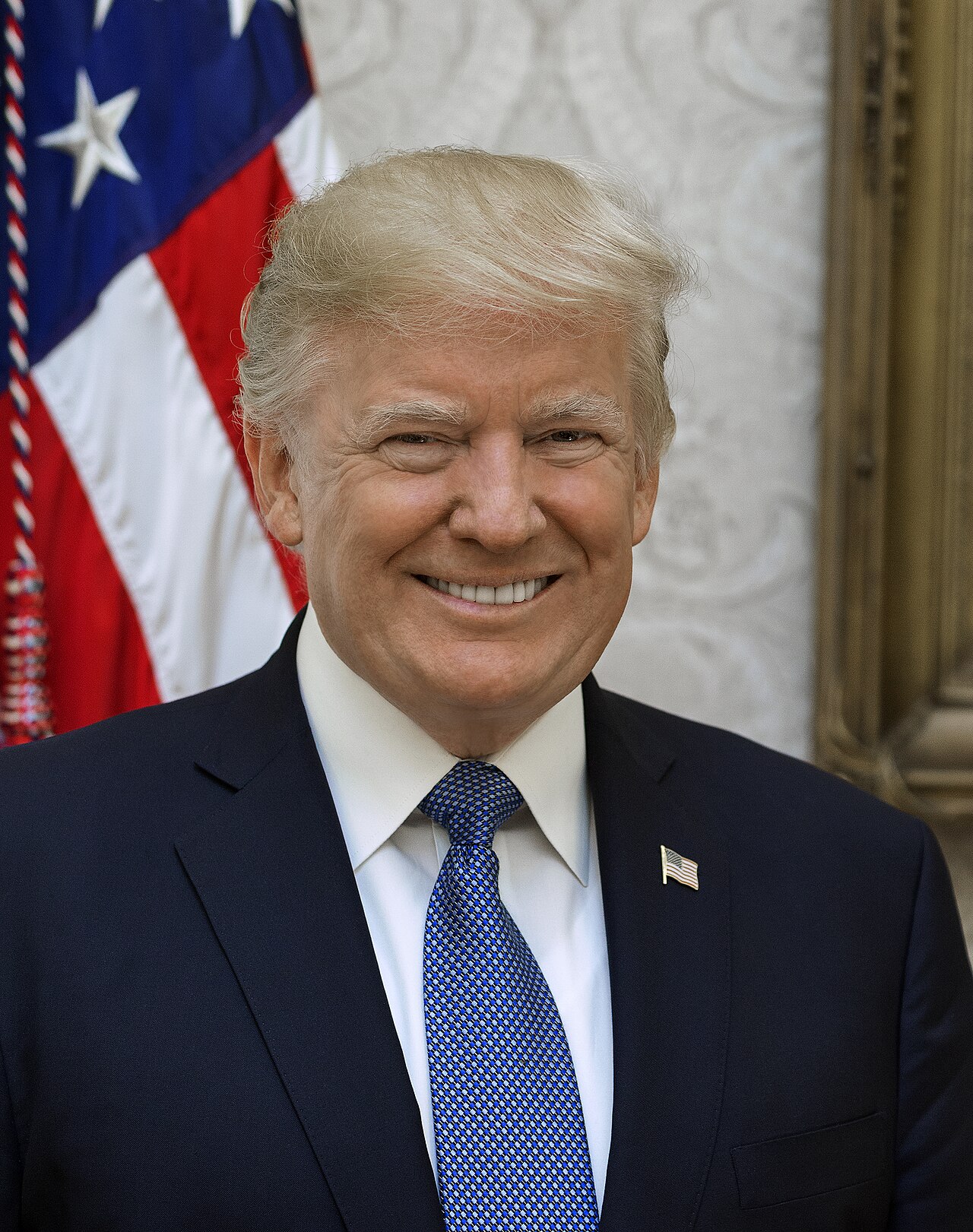


Early life and military career
Zinke was born in 1961 and was raised in Montana. Before entering elected office he pursued a career in the U.S. Navy and served as a Navy SEAL. His military service included multiple deployments and leadership roles in special operations units. Zinke's veteran status and statements about service and leadership became central themes of his public image and subsequent political campaigns.
State and federal legislative service
Zinke entered politics at the state level, serving in the Montana State Senate from 2009 to 2011. He later won election to the U.S. House of Representatives as Montana's at-large congressman in 2014. During his time in Congress he served on committees relevant to national security and natural resources, and he positioned himself as an advocate for Montana's energy and land-use interests. He resigned his House seat on March 1, 2017, after being confirmed to a Cabinet position.
Secretary of the Interior: agenda and actions
President Donald Trump nominated Zinke to lead the Department of the Interior. As Secretary, Zinke emphasized policies to expand domestic energy production on federal lands, accelerate permitting and regulatory review for development, and pursue organizational changes intended to increase collaboration with states and local stakeholders. His tenure included high-profile reviews of public-land designations and national monuments, together with proposals to shift the balance between conservation priorities and resource development.
Investigations, ethics reviews and departure
Zinke's time at Interior drew scrutiny from oversight bodies and the press. Several inquiries examined aspects of his travel, contacts with outside parties, and decisions with potential conflicts of interest. These reviews prompted criticism from government-watchdog groups and opponents, while supporters argued his actions advanced administration policy goals. On December 15, 2018, the White House announced he would leave the post by the end of the year; he formally departed the department on January 2, 2019.
Later activity and political stance
After leaving the Cabinet, Zinke returned to private life while remaining active in public policy and political circles in Montana. He is widely associated with conservative positions favoring energy development, states' roles in land management, and regulatory reform. At the same time, his record sparked debate over how to balance economic use of public lands with long-term conservation objectives.
Legacy and significance
Zinke's public career is notable for the combination of a special operations background and high-level management of federal land policy. His appointment and tenure illustrate competing priorities in contemporary land and energy debates: promoting domestic energy and job creation while safeguarding environmentally and culturally significant places. Observers place him among the more controversial Cabinet officials of his administration because of the policy shifts he pursued and the oversight questions raised during and after his service.
- Born: November 1, 1961.
- Military service: Veteran of the U.S. Navy SEALs.
- Public offices: Montana state senator; U.S. representative (Montana at-large); U.S. Secretary of the Interior.
- Interior tenure: 2017–2019; announced departure December 15, 2018, left January 2, 2019.
For further background, readers can consult an official Secretary of the Interior biography, party materials from the Republican Party, and contemporary reporting and oversight documents. Additional biographical summaries and policy analyses provide context for Zinke's positions and the debates that framed his time in public office. See also a general biographical overview at his profile for basic facts and timelines.
Questions and answers
Q: Who is Ryan Keith Zinke?
A: Ryan Keith Zinke is an American politician and a member of the Republican Party who served as the 52nd United States Secretary of the Interior from 2017 to 2019.
Q: What political positions did Zinke hold before serving as United States Secretary of the Interior?
A: Before serving as United States Secretary of the Interior, Zinke served as a member of the Montana State Senate, representing Senate District 2 from 2009 to 2011. He was also the Republican congressman for Montana's at-large congressional district having won in the 2014 election.
Q: When did Zinke resign as a U.S. representative?
A: Zinke resigned as a U.S. representative on March 1, 2017.
Q: Who announced Zinke's departure as Interior Secretary?
A: President Donald Trump announced that Zinke would leave the position as Interior Secretary by the end of 2018 on December 15, 2018.
Q: When did Zinke leave office as Interior Secretary?
A: Zinke left the office on January 2, 2019.
Q: What party is Ryan Keith Zinke a member of?
A: Ryan Keith Zinke is a member of the Republican Party.
Q: How long was Zinke United States Secretary of the Interior?
A: Zinke was United States Secretary of the Interior from 2017 to 2019.
Author
AlegsaOnline.com Ryan Zinke — Navy SEAL veteran and former U.S. Secretary of the Interior Leandro Alegsa
URL: https://en.alegsaonline.com/art/130255