
Curt Lowens: Actor, Holocaust Survivor and Rescuer
Curt Lowens (1925–2017) was an actor on stage, film and television and a Holocaust survivor credited with rescuing about 150 Jewish children during World War II.
Curt Lowens (17 November 1925 – 8 May 2017) was an actor whose career spanned stage, film and television and who was also known for his wartime role as a rescuer during the Holocaust. Widely described as having helped save roughly 150 Jewish children, Lowens combined a life in the performing arts with a personal history that became part of postwar testimony and remembrance.
Image gallery
1 Image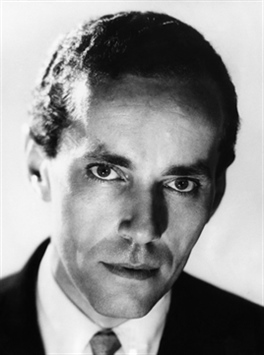
Wartime rescue activities
During World War II Lowens took part in efforts to protect and conceal Jewish children from Nazi persecution. Accounts of his wartime work emphasize clandestine measures—arranging hiding places, using forged identity papers and moving children to safer locations—actions typical of networks of rescuers in occupied Europe. He survived the conflict and later spoke about those experiences in interviews and public settings.
Acting career and public life
After the war Lowens pursued a long career in acting. He worked on stage in repertory theatre and appeared in feature films and television series in supporting and character roles. He is remembered for a variety of screen performances across several decades and for the steady professionalism of his character work.
Selected screen appearances
- Director Swift in Werewolf in a Girls' Dormitory (1962)
- Recurring appearance as a Soviet ambassador on the television series The A-Team, appearing from 1983 through 1987; see credits: The A‑Team listings
- A role in the film Angels & Demons, among other later screen credits
These parts illustrate the range that Lowens brought to supporting roles, often portraying authority figures or foreign diplomats. He worked in both American and international productions and remained active in film and television into his later years.
Later years and legacy
Curt Lowens died in New York City on 8 May 2017 at the age of 91. News reports and obituaries noted both his acting career and his wartime rescue work; further information about his life and passing is available in contemporary accounts and archival material reported at the time of his death. His story is cited in discussions of rescuers and survivors who later entered public cultural life, and he is remembered for the combination of artistic work and moral courage that marked his public biography.
As with many who survived and resisted during the Holocaust, Lowens's life has been presented in interviews and remembrances that contribute to historical understanding of civilian rescue efforts and the varied postwar paths taken by survivors.
Related articles
Author
AlegsaOnline.com Curt Lowens: Actor, Holocaust Survivor and Rescuer Leandro Alegsa
URL: https://en.alegsaonline.com/art/116916
Sources
- lacosacine.com : "Fallece curt lowens, el protagonista de el terror de los lobos"