
Constantine VII Porphyrogennetos
Byzantine emperor (905–959), scholar and administrator. Overshadowed for decades by regents, he secured sole rule in 945 and is remembered for detailed manuals—De Administrando Imperio and De Ceremoniis—and cultural patronage.
Overview
Constantine VII Porphyrogennetos (born 905, died 959) was a Byzantine emperor of the Macedonian dynasty whose reign combined long periods of political marginalization with a final decade of autonomous government. Nicknamed Porphyrogennetos, "born in the purple," he symbolized dynastic legitimacy and is best known for his learned interests and for commissioning and composing major reference works that preserve much information about tenth‑century Byzantium and its neighbors.
Image gallery
10 Images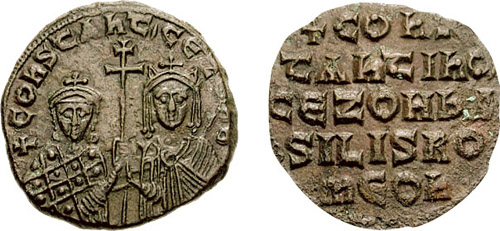

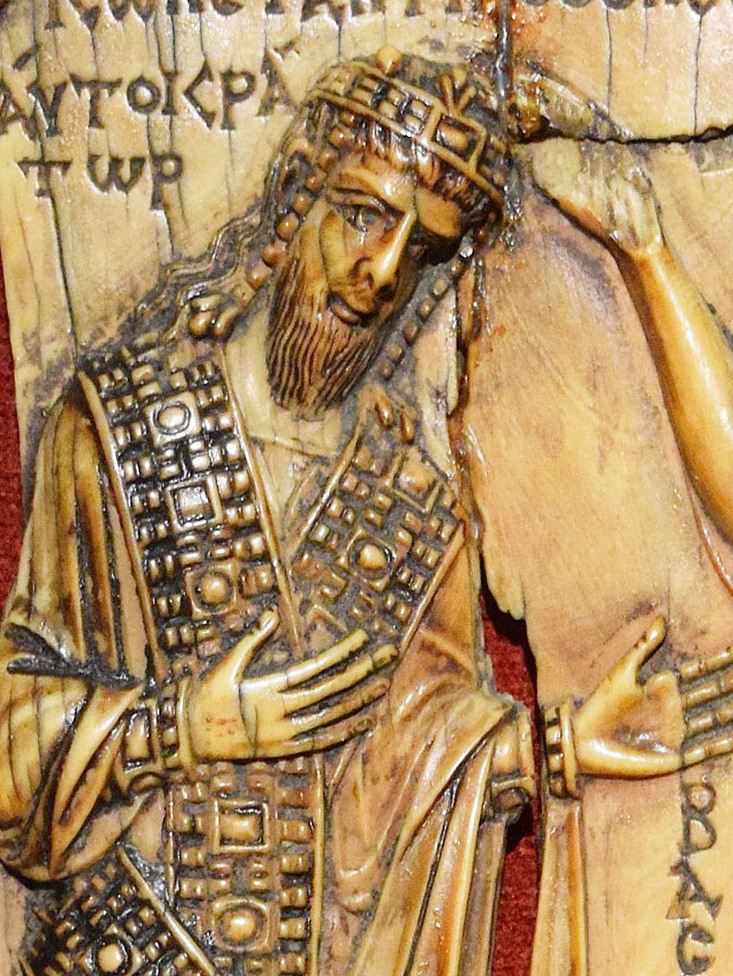


Early life and the regency
Born during the reign of his father, Emperor Leo VI, Constantine became emperor in name as a child after Leo's death, but real power passed to successive regents and co‑emperors. During the first decades of his life he was eclipsed by powerful figures at court, most notably the naval commander Romanos I Lekapenos, who became senior emperor and tied his family to Constantine by marrying his daughter Helena to him. Constantine did not exercise sole rule until the mid‑940s.
Rule and administration
When Constantine secured full authority in 945 he focused on strengthening imperial administration, clarifying court protocol, and preserving legal and diplomatic knowledge. His reign saw careful attention to ceremonial order and to the machinery of government rather than dramatic territorial expansion. He continued the work of stabilizing the state after a century of internal and external challenges.
Writings and cultural patronage
Constantine was a learned ruler and a patron of scholars. He compiled, edited and in some cases authored important handbooks for governance and court life. Principal works associated with him include:
- De Administrando Imperio — a manual of foreign policy and practical advice for the emperor's heirs, with ethnographic and historical chapters on neighboring peoples and diplomatic practice;
- De Ceremoniis — a detailed account of imperial ceremonies, court offices and liturgical protocol;
- De Thematibus (attributed) — a survey of the empire's provincial organization and military districts.
Legacy
Historians value Constantine VII as a central figure in the tenth‑century Byzantine cultural revival. His works are indispensable primary sources for the study of Byzantine diplomacy, administration, and ceremonial life, and they have preserved information about the Bulgars, Slavs, Rus', Arabs and other neighbors. Politically he restored direct Macedonian authority after decades of domination by regents, and intellectually he fostered a court culture that encouraged compilation and the transmission of earlier learning.
Related articles
Author
AlegsaOnline.com Constantine VII Porphyrogennetos Leandro Alegsa
URL: https://en.alegsaonline.com/art/116806