
Constantine II of Greece
Last king of Greece (reigned 1964–1973), Olympic sailing champion and a member of the House of Glücksburg whose reign ended during the 1967–74 political crisis and subsequent abolition of the monarchy.
Constantine II (Greek form: Κωνσταντίνος Βʹ; born 2 June 1940) was the last reigning monarch of Greece. He succeeded his father, King Paul, in 1964 and held the throne during a turbulent decade that included a military coup, a failed royal counter-move and the eventual abolition of the monarchy. A member of the House of Glücksburg, Constantine is genealogically related to earlier Greek monarchs such as George I and to other European royalty including Prince Philip, Duke of Edinburgh.
Before his accession, Constantine received military and naval training and represented Greece internationally. He won an Olympic gold medal in sailing at the 1960 Games in Rome, competing in the dragon class — the first Greek Olympic sailing gold since 1912 — a notable achievement often cited alongside his dynastic role (1960 Olympic Games). In 1964 he married Princess Anne-Marie of Denmark; their family life and children were part of the public profile of the monarchy.
Constantine’s reign coincided with intense political instability in Greece. In April 1967 a group of army officers seized power in a coup and set up a military regime. The king initially remained head of state but political control shifted to the junta. In December 1967 Constantine attempted to reassert authority by supporting a counter-action that failed; he left Greece soon afterwards and spent many years living abroad. The ruling junta formally abolished the monarchy in 1973, and after the collapse of military rule a 1974 referendum ratified the establishment of the Hellenic Republic.
Image gallery
10 Images

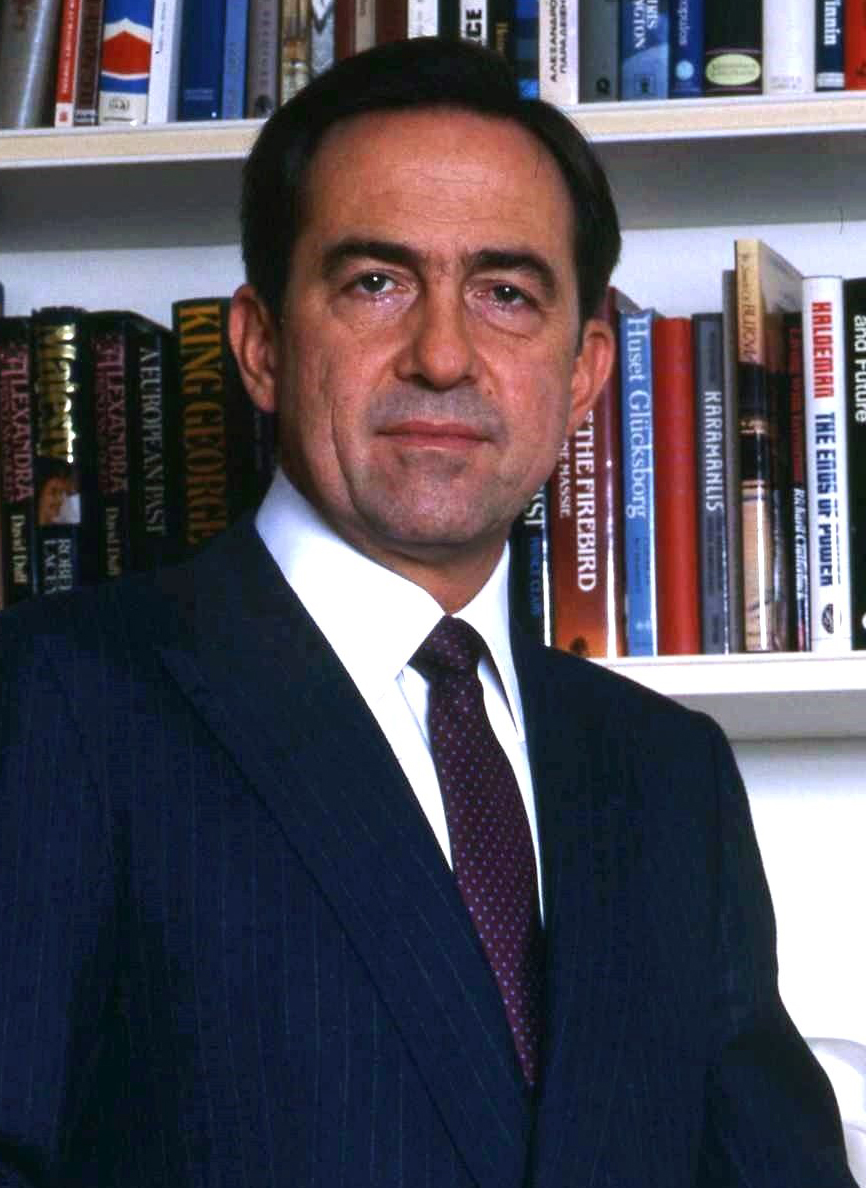


Later life and legacy
After leaving Greece, Constantine lived primarily in Western Europe and remained a figure for royalists and for those who questioned the legitimacy of the junta’s actions. He engaged in public and private efforts to defend his position and interests, and over decades the question of property, titles and his role in Greek public life drew legal and political attention. In later years he made visits to Greece and his presence continued to inspire debate about monarchy, national memory and the transition to democratic rule.
Historically, Constantine II is remembered both for his athletic achievement and for being the monarch at the center of one of modern Greece’s most consequential political episodes. His biography intersects with the larger story of postwar Greece: dynastic connections to other European houses, Cold War geopolitics, internal political divisions, and the country’s eventual return to parliamentary democracy.
Notable facts
- Last king of Greece, reigning from 1964 until abolition of the monarchy in the early 1970s.
- Olympic gold medallist in sailing at the 1960 Games (dragon class).
- Member of the House of Glücksburg and related to European royalty including George I and Prince Philip.
- Key figure in the political crisis of 1967–1974 that ended Greece’s monarchy and restored a republic.
Related articles
Author
AlegsaOnline.com Constantine II of Greece Leandro Alegsa
URL: https://en.alegsaonline.com/art/116802
Sources
- ft.com : Referendum plan faces hurdles
- olympic.org : "Olympic Records World Records"