
Claude Brinegar: U.S. Secretary of Transportation and Oil Executive
Claude Brinegar (1926–2009) was an American oil executive who served as the third U.S. Secretary of Transportation (1973–1975), guiding transportation policy through the 1973 oil crisis and later advising Ronald Reagan.
Claude Stout Brinegar (December 16, 1926 – March 13, 2009) was an American business leader and public official best known for serving as the third United States Secretary of Transportation from February 2, 1973 to February 1, 1975. Appointed from the private sector, Brinegar brought experience in the petroleum industry to a cabinet post that confronted sudden fuel shortages, shifting travel patterns, and pressure to reduce energy consumption.
Image gallery
4 Images


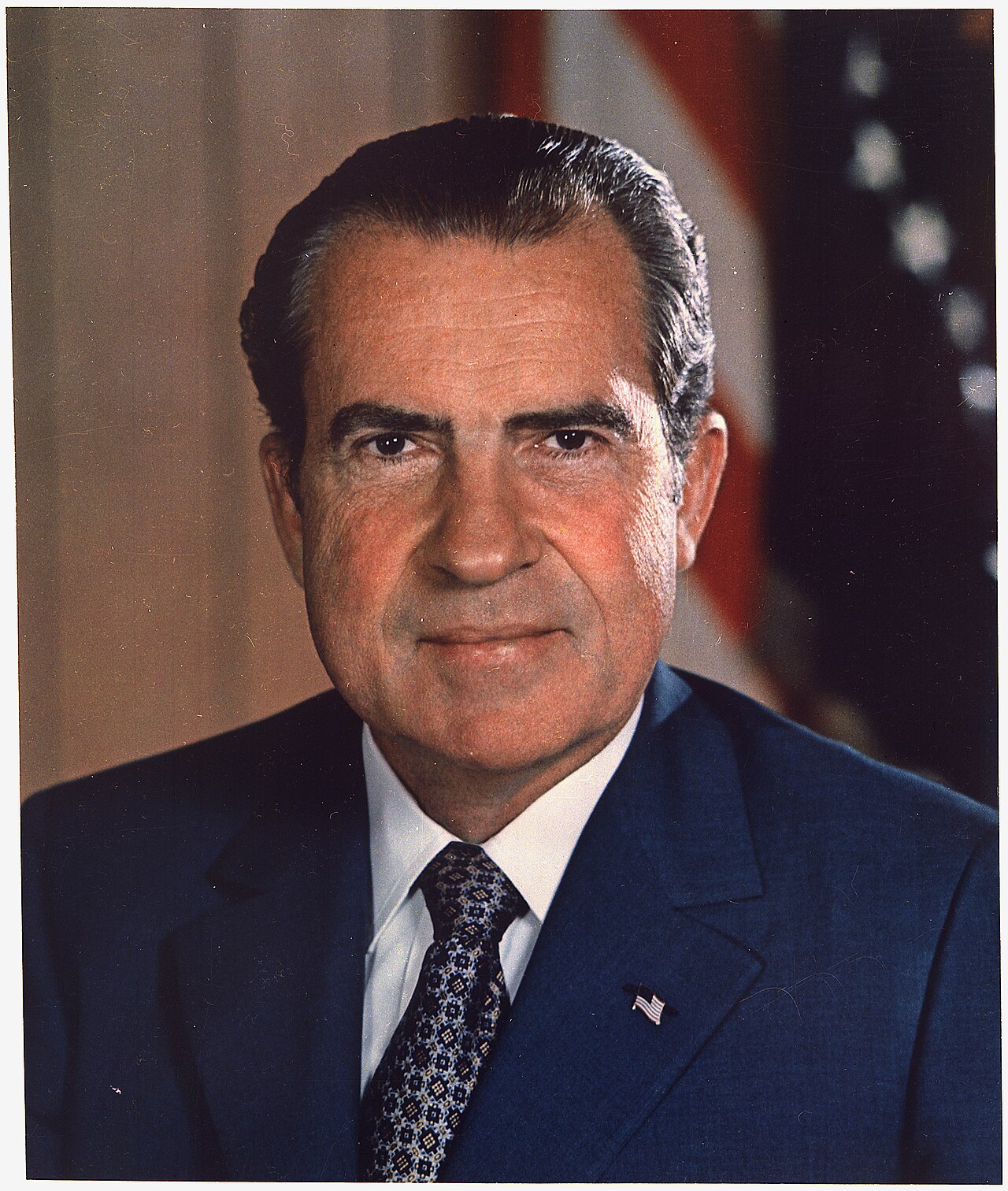
Background and appointment
Brinegar had a substantial career in the oil business before entering government service, which shaped both his policy outlook and public perception. In 1973 he was chosen by the Nixon administration to head the newly established Department of Transportation, a role that placed him at the intersection of federal regulation, infrastructure planning, and emergency energy management.Tenure and major challenges
His term coincided with the 1973 oil embargo and resulting global energy crisis, a period of steep fuel price increases and supply disruption. The Department of Transportation under his leadership worked with other agencies to implement short-term conservation measures, adjust regulatory priorities, and encourage reductions in gasoline consumption. Federal actions during this era included campaigns to reduce driving, adjustments to highway policy, and support for emergency fuel allocation systems.Brinegar served through the transition from President Richard Nixon to President Gerald Ford and left office in early 1975. The era saw notable policy moves such as the emergency national speed limit, introduced to save fuel and reduce demand; the department also emphasized vehicle and highway safety measures alongside energy concerns.
Post-government work and later roles
After leaving the cabinet, Brinegar returned to private life but remained engaged in public affairs. He took part in national political activities and, in 1980–81, served on Ronald Reagan's transition team, advising on matters related to transportation, energy, and infrastructure planning. His combination of industry and government experience made him a sought-after voice on the interplay between private companies and federal policy.Legacy and notable points
Brinegar's tenure is often remembered for the difficult task of steering transportation policy during an international energy shock. Observers and historians have noted both the practical benefits of having an industry-experienced appointee and the controversies that can accompany close ties to the sectors being regulated. His period in office illustrates how transportation policy, energy security, and public safety can converge during crises.Key facts
- Born December 16, 1926; died March 13, 2009.
- Third U.S. Secretary of Transportation, February 2, 1973 – February 1, 1975.
- Led the Department through the 1973 oil crisis and related emergency measures.
- Participated in Ronald Reagan's 1980–81 transition effort.
For further reading on Brinegar's public service and the transportation challenges of the 1970s, consult authoritative histories of U.S. energy policy and cabinet-level responses to the 1973 embargo. Contemporary evaluations consider his tenure an instructive example of public-private linkage in federal policymaking.
Related articles
Author
AlegsaOnline.com Claude Brinegar: U.S. Secretary of Transportation and Oil Executive Leandro Alegsa
URL: https://en.alegsaonline.com/art/116654
Sources
- dotlibrary.dot.gov : "Biographical Sketches of the Secretaries of Transportation"