
Christopher James, 5th Baron Northbourne
British farmer and hereditary peer (1926–2019). A crossbench member of the House of Lords, FRICS and Deputy Lieutenant; one of 90 hereditary peers elected to remain after the 1999 reforms, retired in 2018.
Christopher George Walter James, 5th Baron Northbourne, 6th Baronet (18 February 1926 – 8 September 2019), was a British landowner, farmer and peer. Throughout his life he combined responsibilities as an estate manager and agricultural practitioner with a seat in the upper chamber of Parliament. He was widely described in public records as a farmer and aristocrat, reflecting both his professional activity and hereditary rank.
Image gallery
1 Image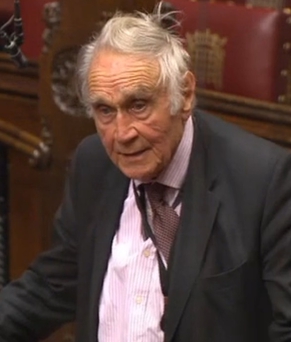
Titles, honours and roles
James held several formal distinctions that signalled his standing in both professional and civic spheres. These included:
- 5th Baron Northbourne (a hereditary peerage)
- 6th Baronet (a hereditary baronetcy)
- FRICS — Fellow of the Royal Institution of Chartered Surveyors, indicating professional involvement with land and property
- DL — Deputy Lieutenant, a ceremonial county appointment
The barony and the baronetcy are separate hereditary honours: a baronetcy is a hereditary knighthood, while a baron is a rank of the peerage with a historic right to sit in the House of Lords.
Parliamentary service
Following the House of Lords Act 1999, which removed the automatic right of most hereditary peers to sit in the upper chamber, a limited number were elected by their fellows to remain. Lord Northbourne was one of the ninety hereditary peers elected to continue in the reformed House of Lords. He took the crossbench whip, which denotes independence from the main political parties, and served as a non-partisan voice on matters brought before the Lords until his retirement in 2018. His membership exemplified the transitional role of hereditary peers after the 1999 reforms; the group of elected hereditary members has since taken part in legislative review and committee work.
Agricultural and professional life
Professionally, James was associated with farming and land management. His FRICS designation indicates training and recognition in surveying, estate oversight and land-related professional practice. Peers with such backgrounds commonly contributed practical knowledge of rural affairs, land stewardship and agricultural policy to debates in the Lords, bringing firsthand experience to discussions of rural economy, environment and planning.
Lord Northbourne died on 8 September 2019 at the age of 93. His death marked the passing of a peer who bridged traditional hereditary service and the modern, reformed parliamentary role of elected hereditary members. For further context on hereditary peers and the changes after 1999 see materials about hereditary peers and the ongoing history of the House of Lords.
Related articles
Author
AlegsaOnline.com Christopher James, 5th Baron Northbourne Leandro Alegsa
URL: https://en.alegsaonline.com/art/116463
Sources
- epaper.thetimes.co.uk : Northbourne