
Bioinformatics: computational analysis of biological data
Bioinformatics applies computing, statistics and biology to organize, analyze and interpret large biological datasets such as genomes, sequences and molecular measurements.
Overview
Bioinformatics, also called computational biology, combines biology, computer science and statistics to manage and interpret large collections of biological data. It addresses problems from raw sequence processing to large-scale pattern discovery, helping scientists turn experimental output into testable conclusions. Common targets include genome sequences, molecular profiles and population-scale datasets; these are often referred to as biological information.
Image gallery
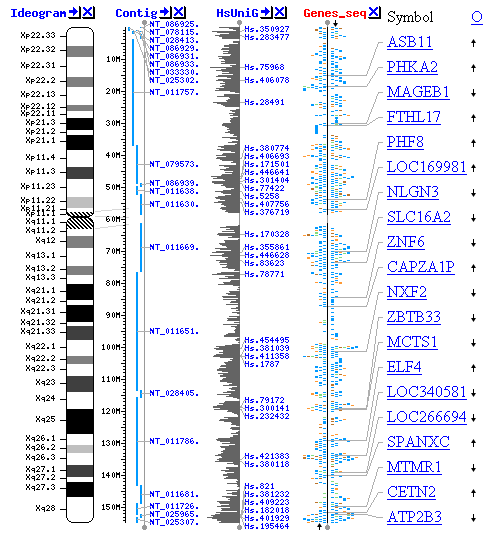
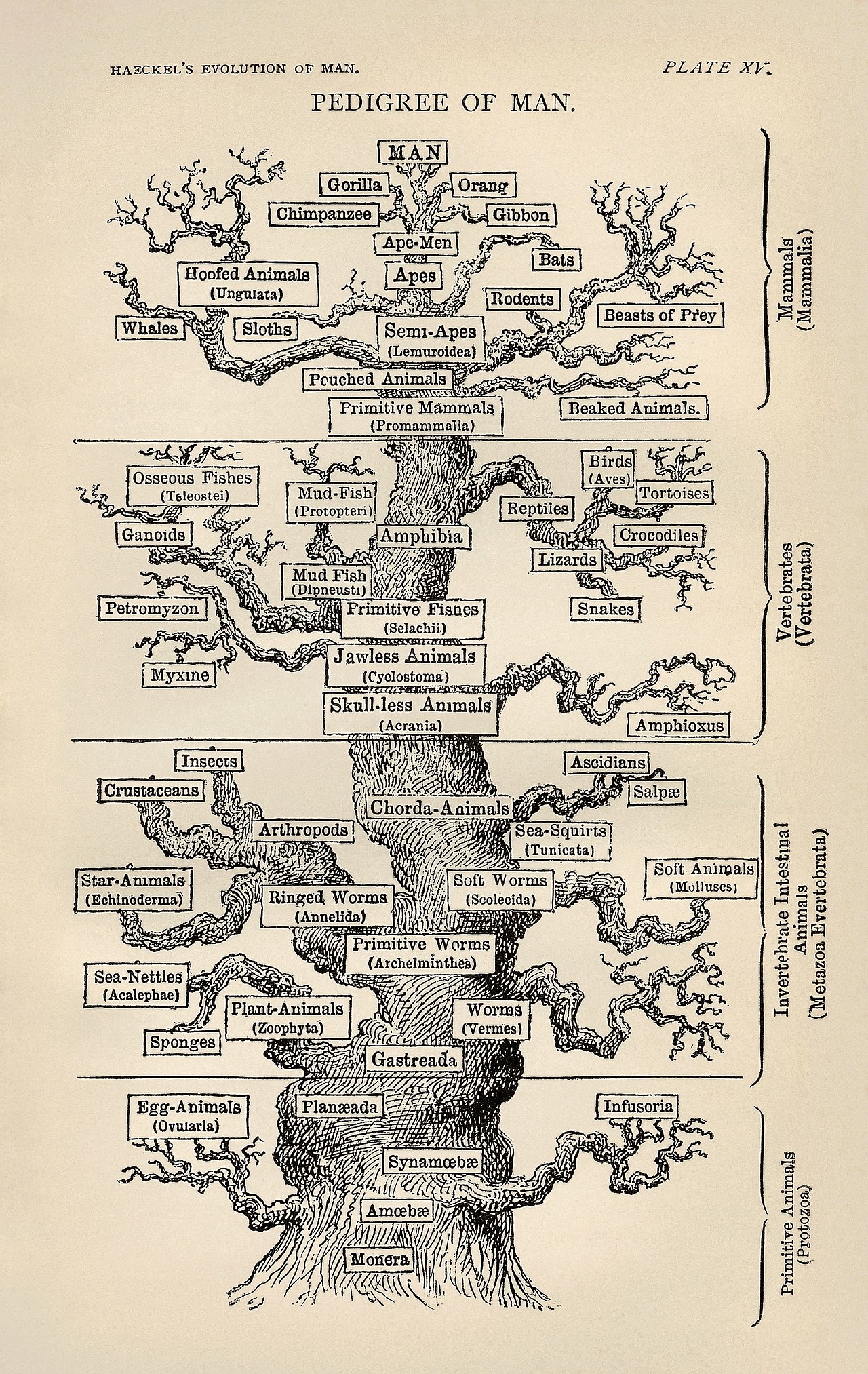
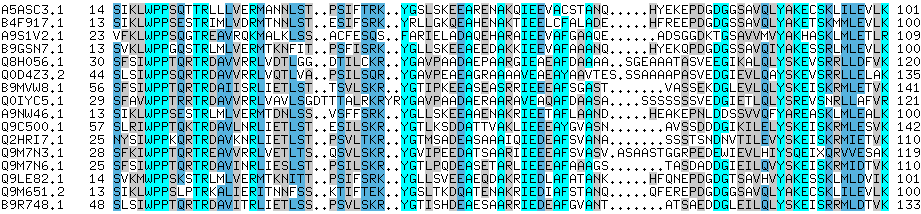
10 Images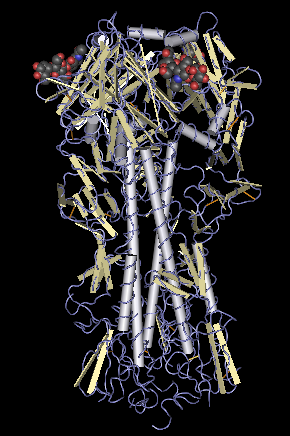




Core concepts and components
Typical elements of bioinformatics work include curated databases, algorithms for sequence comparison, statistical models, and software pipelines that automate repetitive tasks. Important tasks are quality control, alignment, assembly, annotation and visualization. Many projects center on specific molecular types such as genes, transcripts or proteins; for example studies of the molecules that make up cells often focus on DNA or RNA.
History and development
The field grew as molecular biology produced more sequence data and as computing power increased. Early efforts concentrated on comparing short sequences and building shared repositories; over decades methods expanded to handle whole genomes and high-throughput experiments. Advances in algorithms, storage and networking have driven continual change in both scale and speed.
Applications and examples
Bioinformatics underpins many areas of modern biology and medicine. It is used in genome assembly and annotation, expression profiling, evolutionary analysis, protein structure prediction, and variant discovery for personalized medicine. Public-health genomics and pathogen surveillance rely on rapid computational analysis of sequences to trace outbreaks and monitor resistance.
Methods, tools and workflow
A typical analytical pipeline moves from data preprocessing to mapping or assembly, then to functional annotation and statistical interpretation. Tools range from command-line programs and workflow managers to web services and machine-learning frameworks. Efficient computing — from desktop servers to cloud clusters — is essential, so practitioners often collaborate with dedicated IT resources and bioinformatics cores (computing support).
Distinctions, challenges and ethics
Bioinformatics is inherently interdisciplinary and sits between experimental (wet lab) and computational (dry lab) work. Challenges include reproducibility, standardization, large storage needs and safeguarding personally identifiable genomic data. Open data and shared standards accelerate research, but privacy, consent and equitable access remain important considerations for the field (genome scale projects).
- Typical outputs: annotated genomes, variant lists, expression matrices, structural models.
- Skills often needed: programming, statistics, molecular biology knowledge, and domain-specific tools.
- Notable strengths: ability to process vast datasets, discover patterns, and generate hypotheses for experimental validation.
Questions and answers
Q: What is bioinformatics?
A: Bioinformatics refers to the study of biological information or genome, often with the use of computers.
Q: What is the focus of bioinformatics?
A: Bioinformatics primarily focuses on molecules like DNA.
Q: What does bioinformatics entail?
A: Bioinformatics entails the analysis and interpretation of large amounts of biological data.
Q: What is the role of computers in bioinformatics?
A: Computers are used in bioinformatics to aid in the analysis and interpretation of large amounts of biological data.
Q: Why is bioinformatics important?
A: Bioinformatics is important because it facilitates the identification of new drugs, understanding of disease mechanisms and treatment options.
Q: What technology is required for bioinformatics?
A: Bioinformatics requires access to advanced technology such as high-performance computing systems and specialized software.
Q: How does bioinformatics relate to computational biology?
A: Bioinformatics refers to the application of computational tools to biological data, whereas computational biology encompasses the development of these tools as well as their application to biological data.
Related articles
Author
AlegsaOnline.com Bioinformatics: computational analysis of biological data Leandro Alegsa
URL: https://en.alegsaonline.com/art/11636