
Bruno Munari: artist, designer and pioneer of playful creativity
Italian artist and designer Bruno Munari (1907–1998) explored painting, sculpture, design and children's books, pioneering tactile and kinetic works and influential ideas about creativity and design education.
Overview
Bruno Munari (October 24, 1907 – September 30, 1998) was an Italian artist, designer and inventor from Milan. He worked across many disciplines — from painting and sculpture to industrial and graphic design — and became known for a playful, experimental approach that blurred art, design and teaching. His work ranges from visual pieces and short films to books for children and small mechanical sculptures.
Image gallery
6 Images



Characteristics and methods
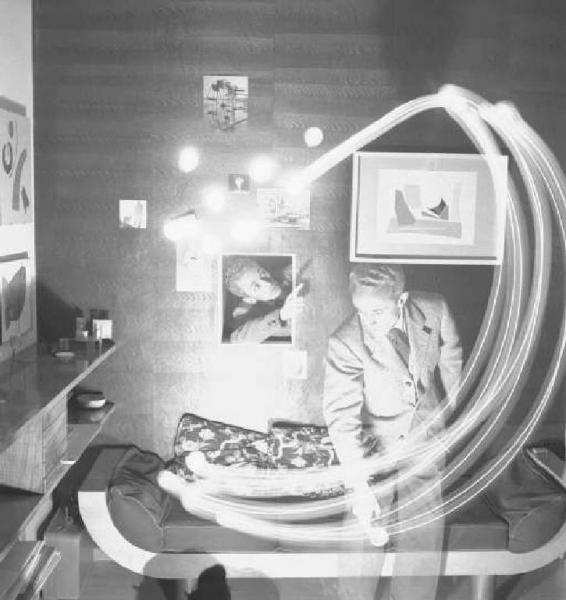
Munari favored simple materials, clear forms and processes that invite participation. He combined rigorous visual thinking with humour and tactile investigation, producing objects that often moved, made sounds or asked to be handled. His practice emphasized experimentation and learning through play: exploring rhythm, balance, texture and colour while keeping an accessible, pragmatic attitude to production and everyday use.
Development and context
Active from the interwar period into the late 20th century, Munari engaged with movements such as Futurism and later concrete and modernist tendencies, but he resisted rigid labels. Instead he pursued a personal programme of research into perception, movement and teaching. Over decades he alternated studio work, commissions for industry and publishing projects aimed at children and readers interested in visual thinking.
Works, writings and examples
Munari produced many kinds of objects and texts. He is remembered for small kinetic sculptures often called "useless machines" (macchine inutili) that explore motion and surprise; for experimental books that play with legibility and touch; and for contributions to industrial design and visual communication. He also wrote influential books and essays about design and creativity, including a widely cited essay-collection published in English as Design as Art. Examples of his work appear in museums and design collections internationally.
Uses, influence and legacy
Munari's ideas influenced design education and early-childhood pedagogy by promoting tactile learning and creative play as tools for development. Designers value his clarity of form and problem-solving mindset; educators use his playful exercises to stimulate observation and invention. Museums, schools and studios continue to cite his methods when teaching visual literacy and process-oriented design.
Notable distinctions
- Cross-disciplinary practice linking visual arts, design and pedagogy.
- Early adoption of kinetic, tactile and participatory objects.
- Applied design thinking to children’s books and teaching tools.
- Balance of rigorous structure and playful experimentation.
For more on Munari and his work, see materials and collections in Milan and international design archives: Munari and Milan, surveys of his contributions to visual arts, treatments of his approach in graphic design, discussions of his place within modernism and treatments of his early ties to futurism.
Related articles
Author
AlegsaOnline.com Bruno Munari: artist, designer and pioneer of playful creativity Leandro Alegsa
URL: https://en.alegsaonline.com/art/115721