
Brad Whitford: Rhythm Guitarist and Songwriter with Aerosmith
Brad Whitford (born 1952) is an American rock guitarist best known as the rhythm and co-lead guitarist of Aerosmith. He contributed key songwriting in the 1970s, led side projects, and remains a respected figure in classic rock.
Brad Whitford (born February 23, 1952) is an American rock musician best known as the rhythm and co-lead guitarist for the hard rock band Aerosmith. His steady, taste-driven playing and songwriting helped shape the band's sound during their classic 1970s era and in later reunions. Whitford is often noted for parts that serve the song and for complementary interplay with the band's more flamboyant lead guitarist.
Image gallery
3 Images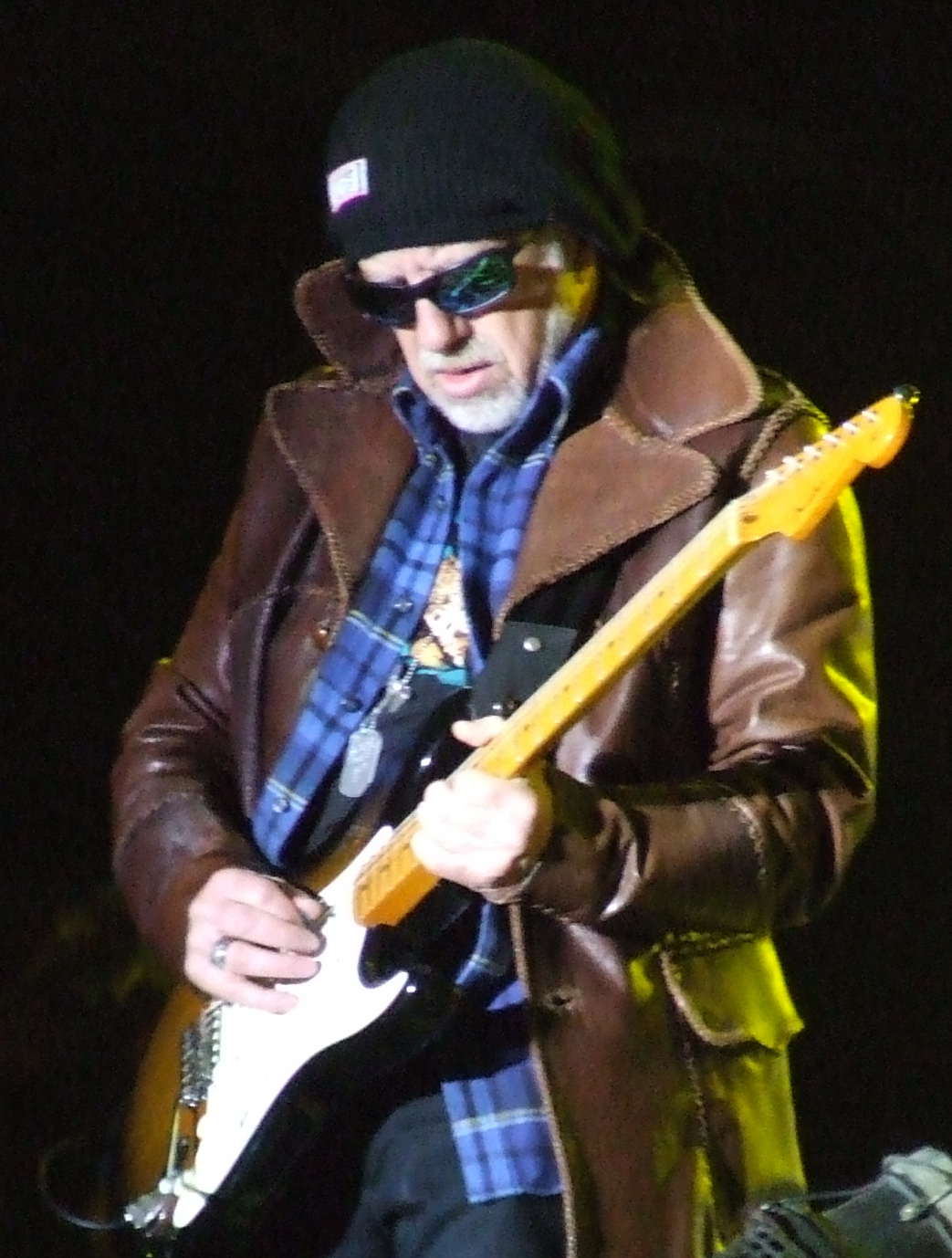


Role and musical style
Whitford's approach emphasizes groove, feel and tonal choice over constant virtuosity. As a co-lead guitarist he frequently trades melodic lines and harmonies while providing the rhythmic foundation that supports vocals and solos. His playing draws on blues-rock traditions and solid rhythmic phrasing, contributing both subtle textures and occasional prominent riffs.
Career and notable projects
Whitford joined Aerosmith in the early 1970s and played on the records that established the band as a major hard-rock act. He took a hiatus from Aerosmith in the early 1980s and formed the duo Whitford/St. Holmes, releasing material outside the band's catalog before returning to the reunited lineup. He has continued to perform live with Aerosmith on many tours and has participated in studio projects and guest appearances.
Songwriting and contributions
In addition to guitar duties, Whitford has songwriting credits on several Aerosmith tracks, contributing arrangements and co-authored songs. One frequently cited example of his compositional input is the mid-1970s track "Last Child," which exemplifies his ability to write memorable riffs and structures that fit the band's sound. For more on specific credits and collaborations see published songwriting credits and band profiles.
Legacy and recognition
- Longtime member of a classic hard rock lineup whose records influenced later rock acts.
- Respected for ensemble playing, musical judgment and complementary guitar work.
- Active in live performance and occasional side projects, maintaining a presence in rock music.
Whitford's career illustrates the importance of song-focused musicianship in popular music. While less prone to spotlight-seeking solos, his steady contributions as a guitarist and writer have been central to Aerosmith's identity and to the sound of modern American rock.
Related articles
Author
AlegsaOnline.com Brad Whitford: Rhythm Guitarist and Songwriter with Aerosmith Leandro Alegsa
URL: https://en.alegsaonline.com/art/115528
Sources
- ultimateclassicrock.com : "Top 10 Brad Whitford Aerosmith Songs"