
Bill Hayden: Australian Labor leader, cabinet minister and Governor‑General
Biography of William 'Bill' Hayden, Australian politician who led the Labor Party, served in Whitlam and Hawke governments, and was Governor‑General from 1989 to 1996.
William George "Bill" Hayden (born 23 January 1933) is an Australian politician whose career spanned party leadership, senior ministerial office and the nation’s highest vice‑regal position. He is best known for serving as Governor‑General of Australia from 1989 to 1996, for leading the Australian Labor Party through the late 1970s and early 1980s, and for holding senior portfolios in both the Whitlam and Hawke governments.
Image gallery
7 Images


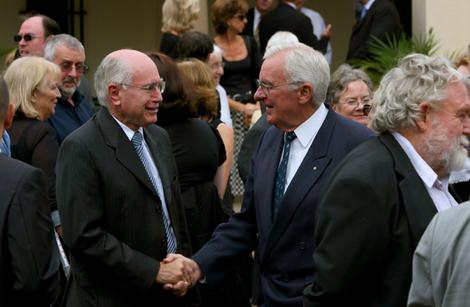

Political beginnings and parliamentary service
Hayden entered federal politics as a young man, winning election to the House of Representatives when he was 28. Over many years in parliament he built a reputation as a thoughtful advocate for social policy and public administration. He served as a cabinet minister in the reforming Whitlam government and later returned to frontbench office in the Hawke era, making contributions to national debates on economic management, social justice and constitutional matters.
Leadership of the Labor Party
Following the upheaval of the mid‑1970s, Hayden rose to prominence within the party. In early 1977 he mounted a close leadership challenge to Gough Whitlam, losing by a narrow margin of two votes. Later that year, after Whitlam resigned the leadership in the wake of electoral defeat, Hayden became Leader of the Opposition and led the Labor Party through the late 1970s and early 1980s. His tenure focused on rebuilding the party’s policy platform, restoring public credibility and preparing the movement for future electoral contests. In 1983 he was succeeded as party leader by Bob Hawke, who soon afterwards led Labor back to government.
Ministerial roles and the 1975 crisis
Hayden briefly held the post of Treasurer in 1975, taking over from Jim Cairns during a turbulent period that culminated in the constitutional crisis and dismissal of the Whitlam government. His time as Treasurer was short—about five months—but it placed him at the centre of a defining constitutional and political moment in modern Australian history. He later served in ministerial and diplomatic roles under the Hawke government, contributing to the administration’s domestic and international agenda.
Governor‑General (1989–1996)
In 1989 Hayden was appointed Governor‑General of Australia, a ceremonial and constitutional office that represents the Crown and performs a range of formal duties. As Governor‑General he emphasized careful stewardship of the office and engaged with issues of national identity and constitutional debate. His seven years in the role spanned several prime ministerships and involved a mix of ceremonial, constitutional and community responsibilities.
Legacy and notable aspects
- Early parliamentary entry: elected to federal parliament in his late twenties, which marked the start of a long federal career.
- Close leadership contests: his narrow defeat of Whitlam’s challengers and later succession to the leadership reflect critical turning points in Labor history linked to the leadership of Gough Whitlam and later transition to Bob Hawke.
- Role in constitutional moments: his brief tenure as Treasurer coincided with the 1975 dismissal, a constitutional crisis that reshaped Australian political discourse.
- Statesman and reformer: across roles he was associated with pragmatic social reform, party renewal and thoughtful engagement on national institutions.
Bill Hayden’s career is often described as one of steady public service rather than flamboyant populism. He is remembered both for the leadership he provided during a rebuilding phase for his party and for accepting the largely apolitical, custodial responsibilities of the Governor‑Generalship. Together, these roles made him a prominent figure in late 20th‑century Australian public life.
Related articles
Author
AlegsaOnline.com Bill Hayden: Australian Labor leader, cabinet minister and Governor‑General Leandro Alegsa
URL: https://en.alegsaonline.com/art/115232
Sources
- keating.org.au : The Hayden Oration 29 September 2017'
- theage.com.au : Bill Hayden, the most visionary PM we never had, says Paul Keating'