
Billy Bragg
Billy Bragg is an English singer-songwriter and guitarist known for blending folk, punk and protest music into direct, politically engaged songs and for collaborations that bridge traditional and contemporary songwriting.
Overview
Stephen William Bragg, known professionally as Billy Bragg, is an English singer and guitarist born in Barking, Essex. He rose to attention for songs that combine personal observation with social and political commentary. Bragg's work is often described as a meeting point between stripped-down acoustic traditions and the energy of punk.
Image gallery
6 Images




Musical style and characteristics
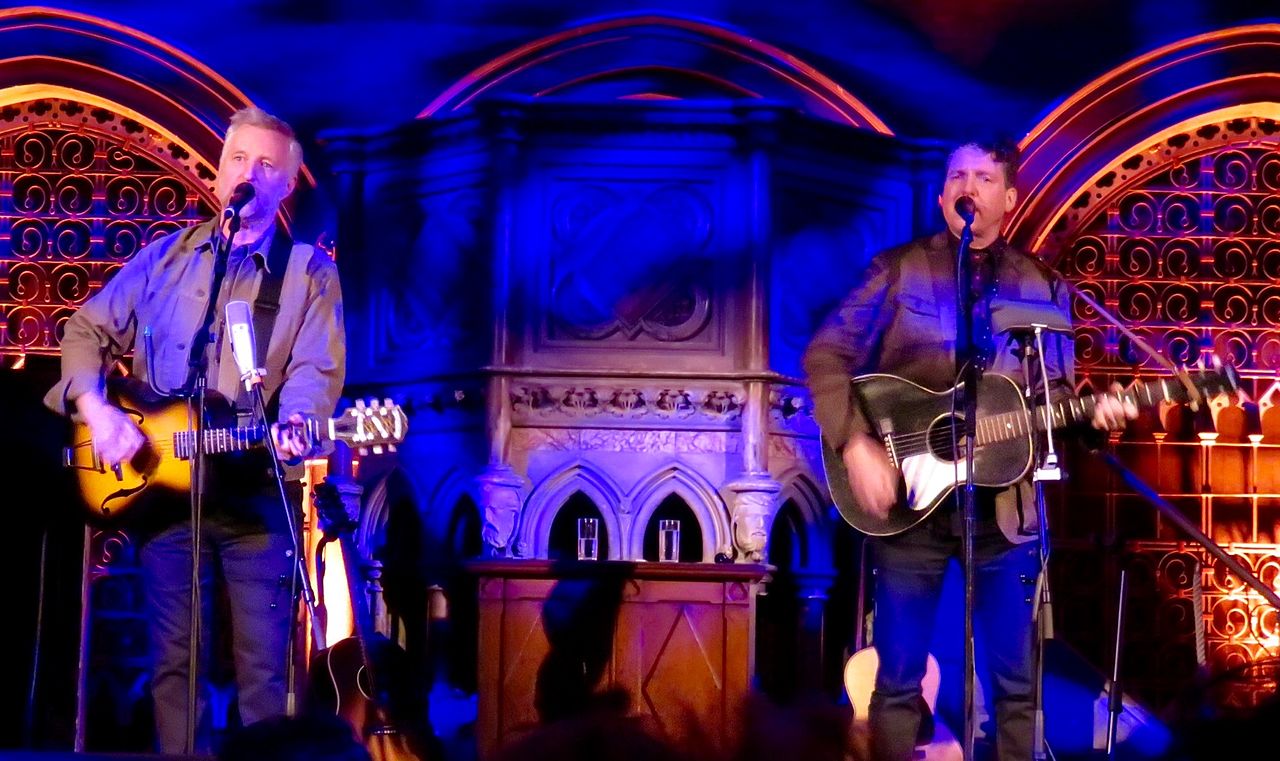
Bragg's musical approach favors clear, direct lyrics and uncomplicated accompaniment. Typical features include a strong melodic sense, chordal guitar playing, occasionally augmented by harmonica or a backing ensemble, and an emphasis on storytelling. He is widely associated with folk influences and the spirit of punk, applied to songs with a protesting or campaigning tone that reflect protest music traditions.
Career highlights and collaborations
Beginning in the late 1970s and into the 1980s, Bragg built a reputation for energetic solo performances and concise, message-driven songs. Over decades he has recorded both solo material and projects with other artists, including work that set previously unpublished lyric fragments by earlier writers to new music. His catalog ranges from spare, acoustic recordings to fuller arrangements with a backing band.
Political engagement and public life
Bragg is known for combining music with activism. He has lent his voice to labour causes, voter-engagement efforts, and campaigns for social justice. Rather than separating art from politics, he has used concerts, recordings and public statements to highlight civic issues and to encourage political participation.
Legacy and significance
Billy Bragg is regarded as an influential figure in contemporary British songwriting: an exemplar of how popular song can address political subjects without sacrificing melodic immediacy. His influence is visible among later singer-songwriters who blend personal narrative with public concerns. For listeners and scholars alike, his work offers a clear example of music operating both as entertainment and as a form of civic expression.
- Key themes: politics, work, love, community.
- Performance style: direct vocal delivery and guitar-centred arrangements.
- Notable practices: collaborations across genres and generations.
Further reading and resources can be found via artist profiles and discographies that detail his albums, collaborations and public activities. Artist profile • Discography • Biographical notes • Regional context • Folk influences • Punk connections • Protest music links
Related articles
Author
AlegsaOnline.com Billy Bragg Leandro Alegsa
URL: https://en.alegsaonline.com/art/115152
Sources
- allmusic.com : "Billy Bragg - Music Biography, Credits and Discography"