
Bhagat Singh: Indian socialist revolutionary and independence movement leader
Bhagat Singh (1907–1931), Indian socialist revolutionary whose writings, hunger strikes and dramatic protests against British rule made him a prominent leader and martyr in the independence movement.
Bhagat Singh (28 September 1907 – 23 March 1931) was an Indian socialist revolutionary who became a prominent figure in the struggle against British colonial rule. He combined direct action with political writing and public protest, and his execution at the age of 23 made him a martyr for many in the independence movement.
Image gallery
10 Images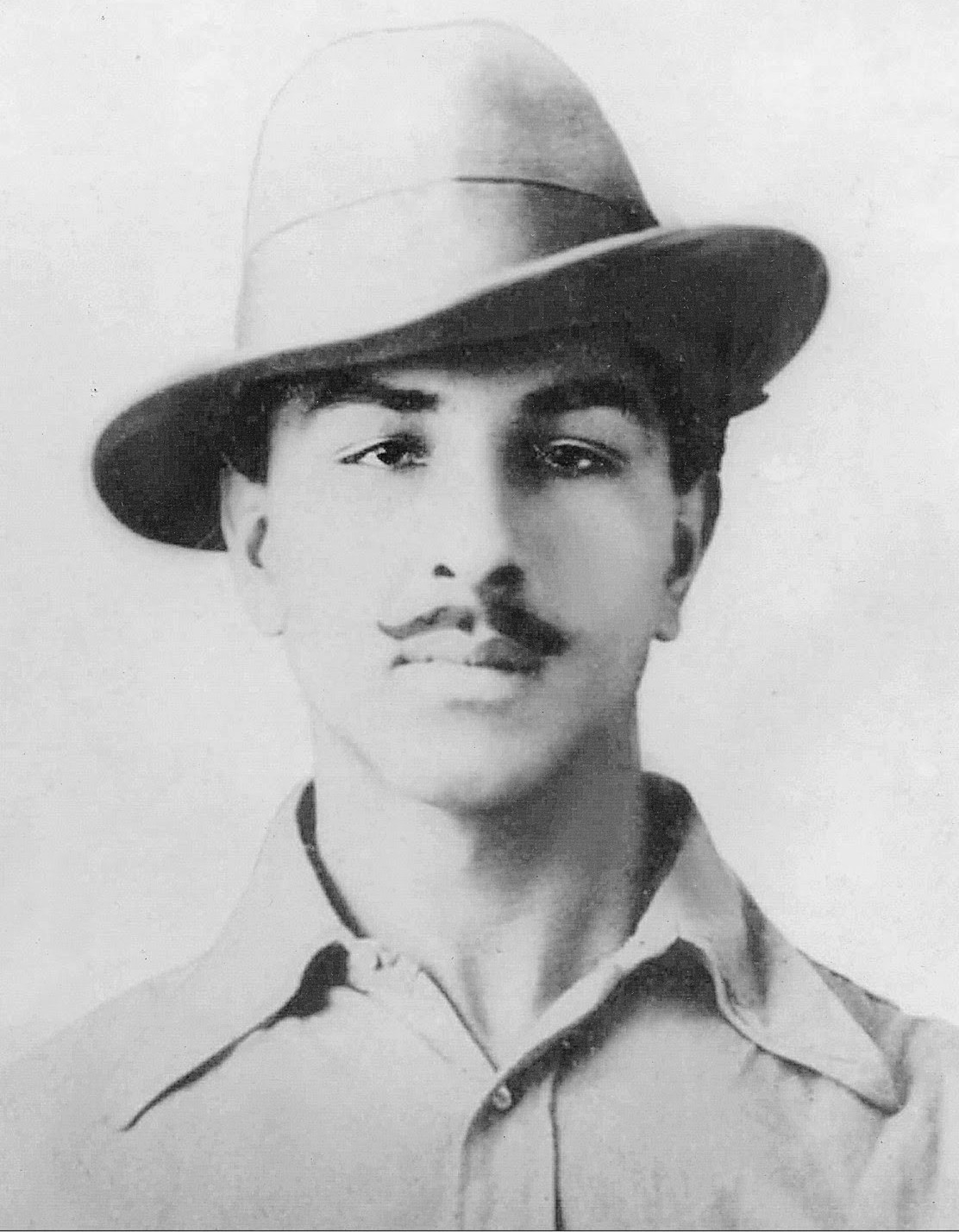
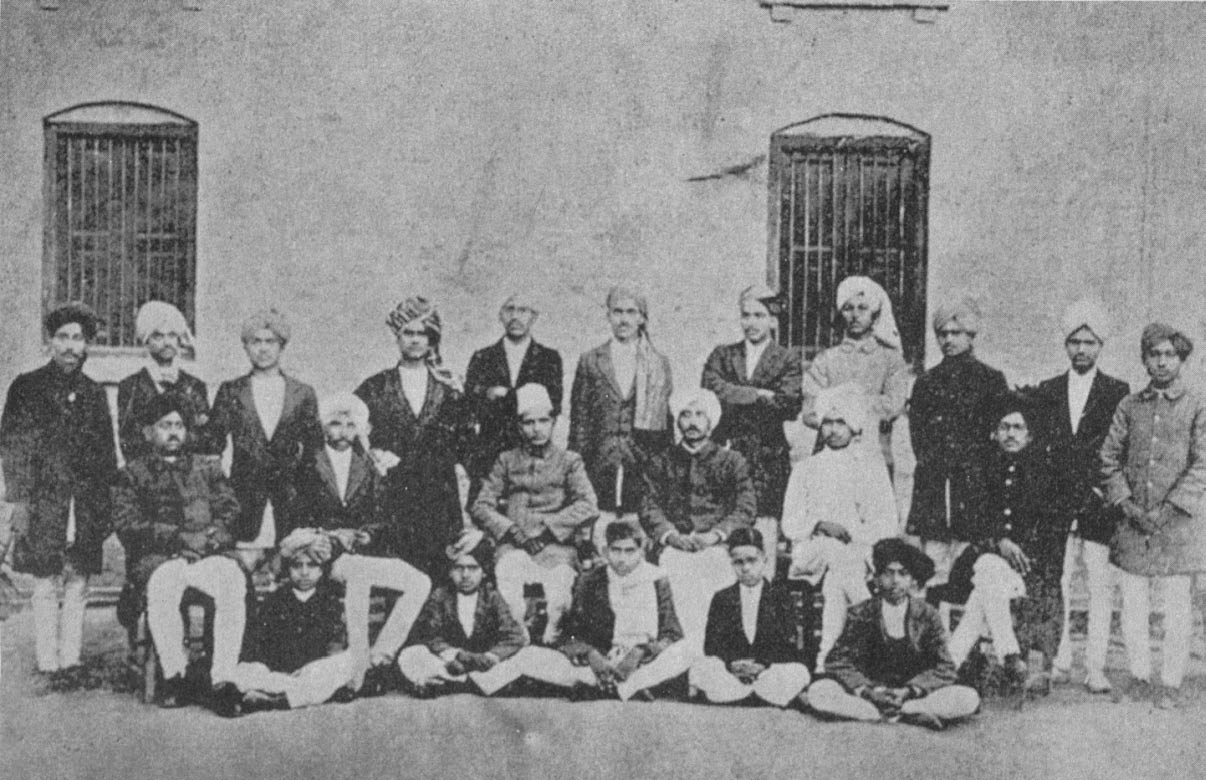




Early life
Bhagat Singh was born into a family with a history of political involvement in the Punjab region of British India. As a young man he became politically active, influenced by nationalist leaders and by social and economic ideas circulating at the time. Events such as police violence during anti-colonial demonstrations played a role in radicalizing him.
Revolutionary activity
Bhagat Singh joined revolutionary circles that preferred armed insurrection to constitutional politics. He became associated with the Hindustan Socialist Republican Association and took part in operations aimed at striking British authority. In December 1928 members of the group killed a British police officer in Lahore; the action was intended as retaliation for the death of a protest leader who had been beaten by police.
In April 1929, Bhagat Singh and an associate threw low-intensity bombs into the Central Legislative Assembly in Delhi. They did not intend to kill people; the bombs were meant to create a loud demonstration and to enable them to distribute leaflets and make speeches before surrendering to the authorities.
Imprisonment, writings and hunger strike
While in custody Bhagat Singh protested prison conditions for political detainees with a sustained hunger strike that attracted wide attention. He also wrote on political topics from prison, including an essay explaining his rejection of religious belief and his commitment to a socialist outlook.
Trial, execution and aftermath
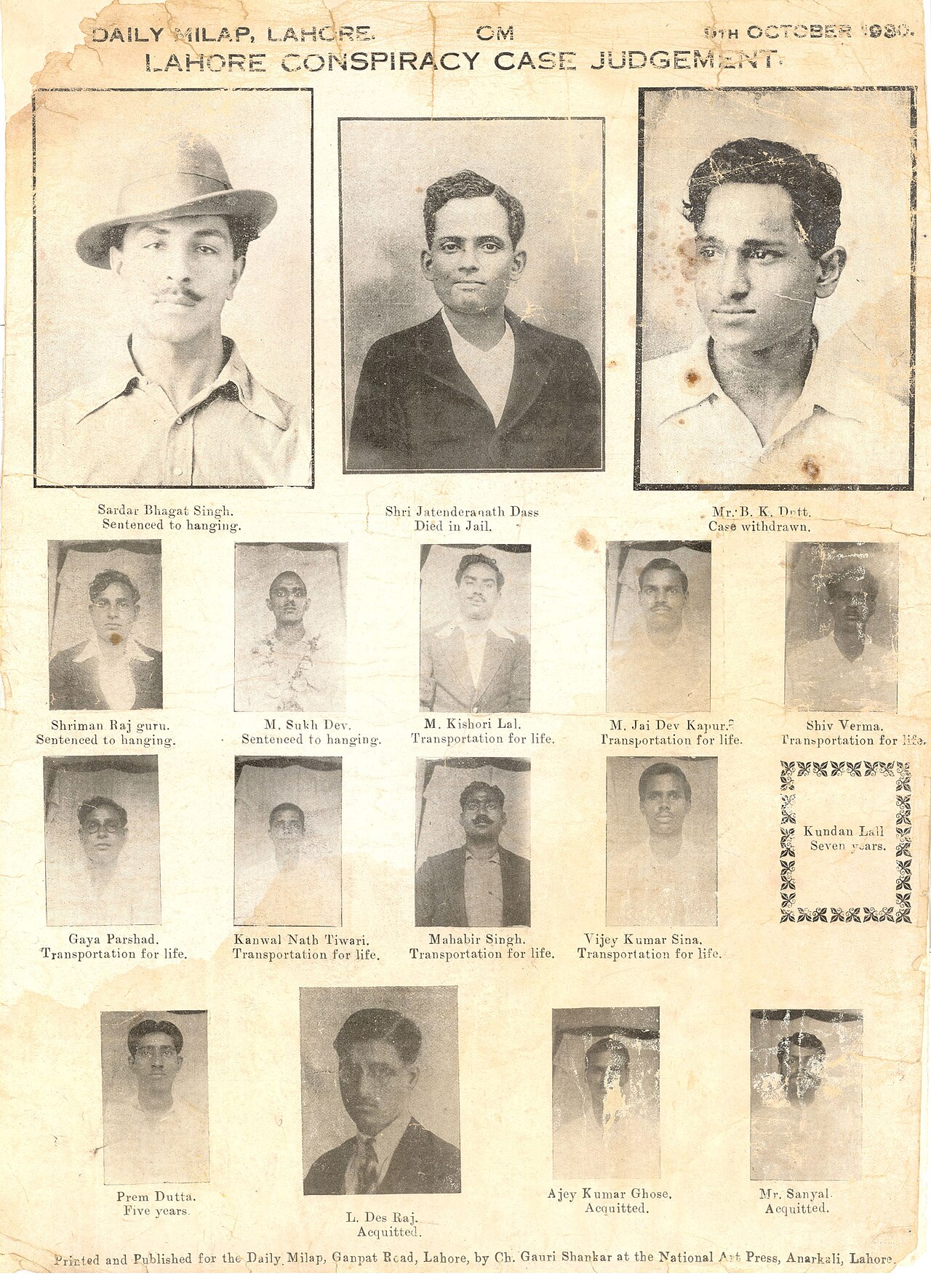
- Following the Lahore Conspiracy Case, Bhagat Singh and two comrades were tried and sentenced to death.
- On 23 March 1931 they were executed in Lahore Central Jail. News of the executions provoked widespread grief and protest across British India.
Legacy
Bhagat Singh's life and writings have been remembered and debated in the decades since his death. He is widely regarded as an influential revolutionary in the history of the Indian independence movement; his combination of militancy, political argument, and personal sacrifice has ensured he remains a potent symbol in political and cultural memory.
Related articles
Author
AlegsaOnline.com Bhagat Singh: Indian socialist revolutionary and independence movement leader Leandro Alegsa
URL: https://en.alegsaonline.com/art/115114
Sources
- britannica.com : "Bhagat Singh" · web.archive.org
- m.timesofindia.com : m.timesofindia.com/india/Bhagat-Singhs-sister-passes-away-on-his-107th-birthday/articlesh…