
Bhagwan Shree Rajneesh (Osho): life, teachings, communes, and legacy
Bhagwan Shree Rajneesh (1931–1990), also known as Osho, was an Indian spiritual teacher whose eclectic meditation methods and international communes provoked devotion, controversy and lasting influence.
Bhagwan Shree Rajneesh (born Chandra Mohan Jain, 11 December 1931 – 19 January 1990) was an Indian mystic, spiritual teacher and founder of a global movement. During his public life he was known variously as Rajneesh, Bhagwan Shree Rajneesh and, in his final year, Osho. He drew Western and Indian followers with a blend of meditation techniques, philosophical commentary, and a critique of institutional religion and conventional morality.
Image gallery
8 Images


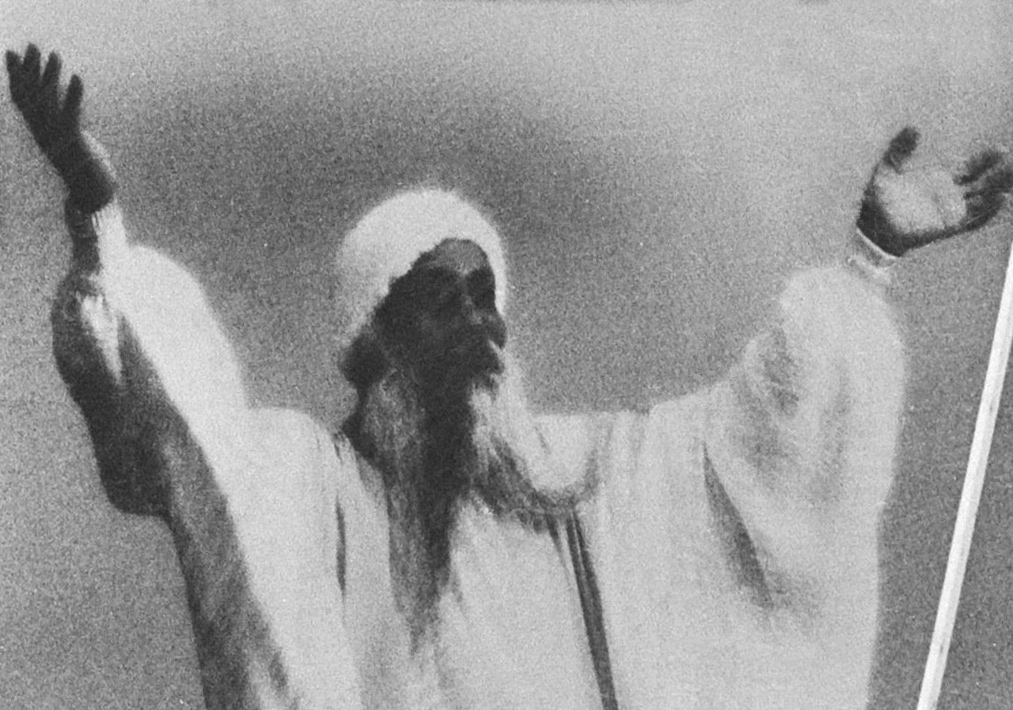


Teachings and practices
Rajneesh taught that personal transformation required disciplined inner work combined with openness to experience. He developed a range of active and silent meditations—most famously Dynamic Meditation—to help practitioners release emotion and move into stillness. His approach mixed elements from classical yoga, tantra, Sufism, Zen and Western psychology; he encouraged questioning of scripture and social norms while emphasizing sensuality and celebration as parts of spiritual life. Many of his discourses were compiled into books and audio recordings that remain in circulation.
Communities and organization
From the 1970s onward Rajneesh established ashrams and communes that served as centers for teaching, business activity and communal living. His principal ashram in Pune (then Poona), India, became a large retreat hosting thousands of residents and visitors. In the early 1980s a major effort to create an intentional community in the United States resulted in Rajneeshpuram in Oregon; the project combined agricultural development, local businesses and an independent civic structure, and it drew intense local and national attention.
Controversies and legal conflicts
The Rajneesh movement was the subject of sustained controversy. Conflicts with neighbors, disputes over land use and political power struggles culminated in legal actions in the United States. In 1985 Rajneesh was arrested on immigration-related charges; he entered a plea, was fined and eventually left the U.S. In addition, followers of the commune carried out a deliberate food-poisoning attack in Oregon in 1984 that sickened hundreds; later investigations and prosecutions implicated members of the movement, though Rajneesh denied direct involvement. These events shaped public perceptions as much as his teachings did.
Rajneesh's followers and critics often differ sharply in their assessments. Supporters point to innovative meditation methods, a large body of published talks, and thriving international centers that continue to teach his techniques. Critics emphasize organizational secrecy, authoritarian elements within the commune, and the legal and ethical breaches that occurred in the 1980s. For a concise overview of his role in modern spiritual movements see background on Rajneesh as mystic and for institutional histories consult scholarly accounts of the Rajneesh movement.
After Rajneesh's death in 1990 the movement persisted in various forms. His teachings are now often marketed under the name Osho, and Osho meditation centers operate worldwide. The Rajneesh phenomenon remains significant for scholars of religion and new religious movements as an example of cross-cultural spiritual adaptation, charismatic leadership, and the complex intersections of spirituality, community building and politics.
Questions and answers
Q: Who was Rajneesh?
A: Rajneesh was an Indian mystic, guru, and spiritual teacher.
Q: When was he born?
A: He was born on 11 December 1931.
Q: What did he become known as during the 1970s and 1980s?
A: During the 1970s and 1980s, he became known as the Bhagwan Shree Rajneesh.
Q: What did he become known as in his last year of life?
A: In his last year of life, he became known as Osho.
Q: How did Neo-Hinduism begin to emerge in the 1870s?
A: Neo-Hinduism began to emerge in the 1870s through freely invented yogic and tantric practices.
Q: Did Rajneesh have an international following after his death?
A: Yes, Rajneesh had an international following after his death.
Related articles
Author
AlegsaOnline.com Bhagwan Shree Rajneesh (Osho): life, teachings, communes, and legacy Leandro Alegsa
URL: https://en.alegsaonline.com/art/115115