
Bernard Maris
French economist, writer and journalist Bernard Maris (1946–2015) was a public intellectual and Charlie Hebdo shareholder known for accessible critiques of mainstream economics.
Bernard Maris (23 September 1946 – 7 January 2015) was a French economist, author and journalist. Born in Toulouse, France, he became widely known for explaining economic ideas to the general public and for his contributions as a columnist and shareholder of Charlie Hebdo.
Image gallery
1 Image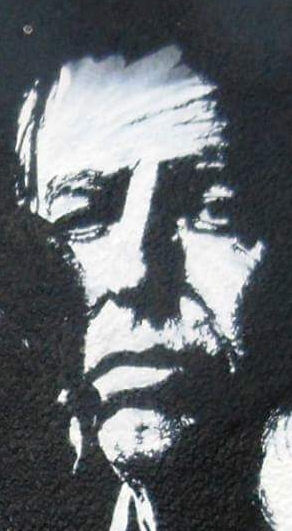
Overview and public role
Maris combined academic training with a popular voice: he wrote for newspapers and magazines, published books aimed at non-specialists, and appeared in broadcast interviews. His work often challenged orthodox economic assumptions and emphasized the social and political dimensions of economic policy. He sought to make economic debate accessible without reducing its complexity.
Career, themes and publications
Throughout his career Maris addressed themes such as fiscal policy, financial markets, inequality and the limitations of market-centered thinking. He published essays and books intended as introductions or critiques of mainstream economics, and regularly contributed columns that mixed analysis with satire and moral concern. He was both a scholar and a public intellectual who aimed to reach readers beyond academic circles.
Roles and activities
- Economist and commentator interpreting economic issues for a broad audience
- Author of books and essays aimed at clarifying economic concepts
- Journalist and magazine contributor, including a stake in Charlie Hebdo
His style combined clear exposition with a critical stance toward prevailing economic orthodoxies, and he frequently argued for policies and analyses that took social welfare and democratic values into account.
Death and legacy
Bernard Maris was killed on 7 January 2015 in the attack on the editorial offices of Charlie Hebdo in Paris. The incident, widely reported as the Charlie Hebdo shooting, ended the life of a prominent voice in French public debate. His death prompted reflections on free expression, the role of public intellectuals, and the importance of independent media.
Maris is remembered for his efforts to demystify economics and to connect economic discussion with broader ethical and political concerns. Students, readers and colleagues recall him as a teacher and communicator who sought to make economic ideas useful for civic life.
For further reading about his life and work, biographies, collections of his essays and retrospective articles discuss his contributions to public economics and journalism.
Related articles
Author
AlegsaOnline.com Bernard Maris Leandro Alegsa
URL: https://en.alegsaonline.com/art/115051