
Bernard Lewis: historian of the Middle East and public intellectual
Bernard Lewis (1916–2018) was a British‑American historian of the Middle East, a scholar of Ottoman and Islamic history, and a widely read — sometimes controversial — public commentator.
Bernard Lewis was a British-born scholar whose work shaped Western understanding of the Middle East and Islamic history across much of the twentieth century. Trained in European oriental studies, he moved to the United States and became a prominent academic and public intellectual. His writing combined deep familiarity with primary sources and languages with broad synthetic narratives aimed at general readers as well as specialists. For background on his nationality and career see British background and American career.
Image gallery
4 Images
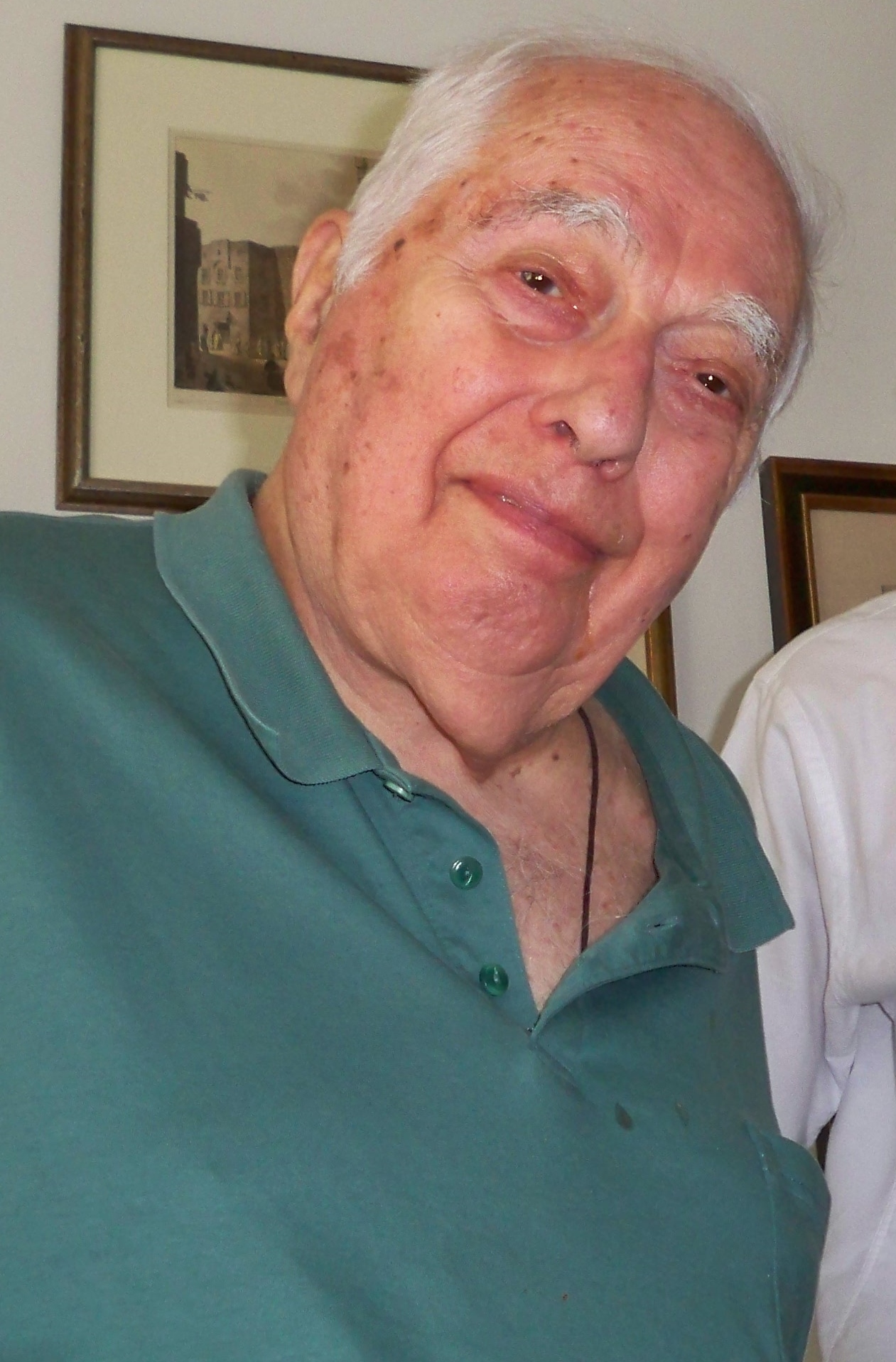


Scholarly focus and approach
Lewis concentrated on the history of the Ottoman Empire, the Arab world, and the development of Islam in relation to modernity. He emphasized political, social, and institutional change — for example, the transformation of Ottoman and Arab societies under the pressures of reform, imperialism, and nationalism. His work is notable for its command of Arabic, Ottoman Turkish, Persian and other languages, and for efforts to place historical developments in comparative and chronological perspective. His academic roots are connected to traditions of oriental studies.
Major themes and writings
Lewis wrote both specialist studies and books intended for wider audiences. Recurring themes in his work include the interaction of Islam and the West, the historical causes of political stagnation and reform in the Middle East, and the legacies of empire. Many of his books and essays became touchstones for students and policymakers. Examples of subjects he treated include the Ottoman transformation, Arab political movements, and modern Turkish history.
Public influence and controversy
Beyond academia, Lewis became a visible commentator on contemporary events and a frequent source for journalists and officials. His opinions influenced public debate about the Middle East, and he was invited to testify, write for newspapers, and advise policymakers. At the same time his interpretations drew criticism: some scholars accused him of simplifying complex societies or of projecting Western perspectives onto Islamic history. Critics associated with postcolonial and "Orientalist" critiques engaged directly with his methods and conclusions, making him a central figure in debates about historiography and foreign policy.
Legacy and later life
Lewis continued to publish and comment well into later life, remaining a prolific writer and lecturer. He held academic posts in Britain and the United States and was regarded by supporters as a foundational modern interpreter of the region while opponents saw him as emblematic of contested approaches to non‑Western histories. He died in New Jersey; sources note his passing in Voorhees Township, New Jersey (county context) and in the state of New Jersey itself at an advanced age.
- Areas of study: Ottoman history, Arab history, Islamic institutions.
- Roles: Academic, public intellectual, commentator.
- Notable features: Linguistic training, accessible prose, controversial policy influence.
Readers interested in his detailed bibliography, debates over his influence, or critical assessments will find a range of scholarly reviews and retrospective essays that place his long career in context and explore how his work shaped and reflected twentieth‑century discussions about the Middle East.
Related articles
Author
AlegsaOnline.com Bernard Lewis: historian of the Middle East and public intellectual Leandro Alegsa
URL: https://en.alegsaonline.com/art/115049
Sources
- geocities.com : "Bernard Lewis" · webcitation.org
- washingtonpost.com : "Bernard Lewis, eminent historian of the Middle East, dies at 101"