
Benjamin Harrison V: Virginia planter, Revolutionary leader, and signer of Independence
Benjamin Harrison V (1726–1791) was a Virginia planter and statesman who served in the House of Burgesses, the Continental Congress, signed the Declaration of Independence, and served as Governor of Virginia.
Benjamin Harrison V (April 5, 1726 – April 24, 1791) was a prominent Virginian planter and political leader during the American Revolutionary era. Born into the prominent Harrison family at Berkeley Plantation in what is today Charles City County, he combined plantation management with a long public career. He became known as a force in colonial and early state politics and is remembered as one of the signers of the Declaration of Independence.
Image gallery
10 Images
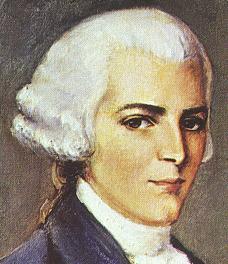


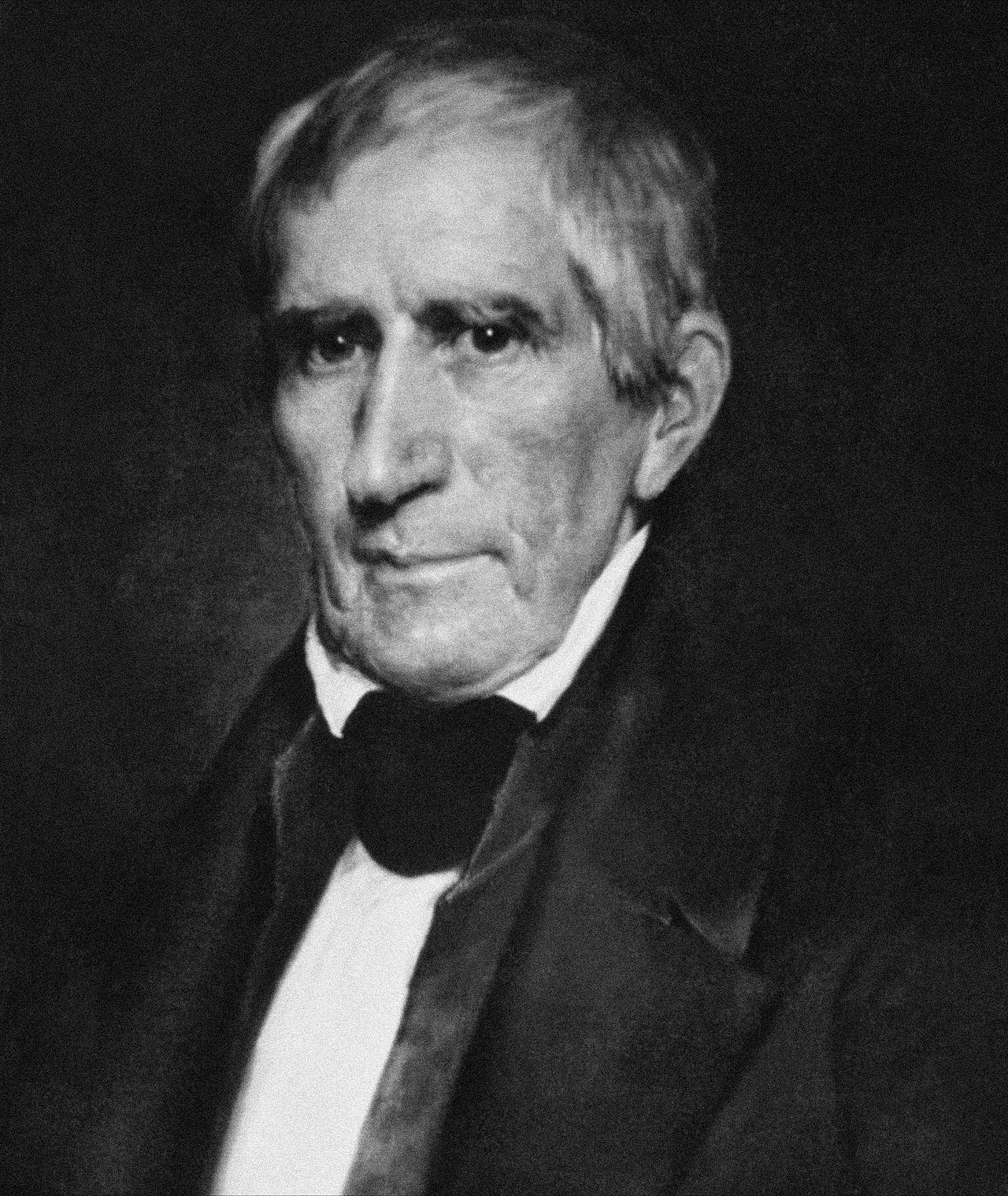
Early life and family
Harrison was educated at the College of William and Mary and returned to manage family lands and business. The Harrison household at Berkeley was an influential seat in Tidewater Virginia; like many planters of his class, Harrison's wealth depended on large agricultural operations that used enslaved labor. His family produced later national figures: he was the father of President William Henry Harrison and the grandfather of President Benjamin Harrison, linking him to two later presidencies.
Public career and Revolutionary role
Harrison represented local counties in the colonial assembly: he sat for Surry County and later for Charles City County in the House of Burgesses. As tensions with Britain rose he moved to wider leadership. He served as a Virginia delegate in the Continental Congress from 1774 to 1777, where he participated in debates and committees that framed the colony's break with Britain. His signature as a signer of the Declaration of Independence marked his commitment to independence.
Governor and later years
After the Revolution, Harrison continued in state service and was elected Governor of Virginia from 1781 to 1784, a period that included the final stages of the war and its immediate aftermath. He confronted wartime exigencies and the economic difficulties of postwar Virginia while helping to rebuild civil institutions. He later returned to private life at Berkeley and remained an influential voice in regional affairs until his death in 1791.
Legacy and significance
Harrison's importance rests on his leadership in Virginia politics during the revolution, his role as a signer of a foundational national document, and his place in a multigenerational political family. Historians note both his public service and the contradictions of Revolutionary-era Virginia, where ideals of liberty coexisted with the realities of plantation slavery. His career illustrates the complex social and political fabric of the new United States.
- Born: April 5, 1726, Berkeley Plantation, Charles City County
- Education: College of William and Mary
- Legislative service: House of Burgesses for Surry County and Charles City County
- Continental Congress delegate: 1774–1777 (Continental Congress)
- Signer of the Declaration of Independence
- Governor of Virginia: 1781–1784 (Governor of Virginia)
- Remembered as a revolutionary leader from Virginia and the patriarch of a presidential family
For further reading on his role in colonial assemblies and the Continental Congress, consult regional archives and biographies that treat the social and political networks of Tidewater Virginia during the Revolutionary era. Primary documents documenting his service survive in state records and the congressional papers of the period.
Related articles
Author
AlegsaOnline.com Benjamin Harrison V: Virginia planter, Revolutionary leader, and signer of Independence Leandro Alegsa
URL: https://en.alegsaonline.com/art/114972