
Bill Wade (American football quarterback)
William James "Bill" Wade (1930–2016), Vanderbilt standout and NFL quarterback for the Los Angeles Rams and Chicago Bears; starting QB for the Bears' 1963 championship team and a Tennessee Sports Hall of Famer.
William James "Bill" Wade (October 4, 1930 – March 9, 2016) was an American quarterback who played professional football in the National Football League. A native of Nashville, Tennessee, Wade rose to regional prominence at Vanderbilt University before embarking on a long professional career that spanned the 1950s and 1960s.
Image gallery
3 Images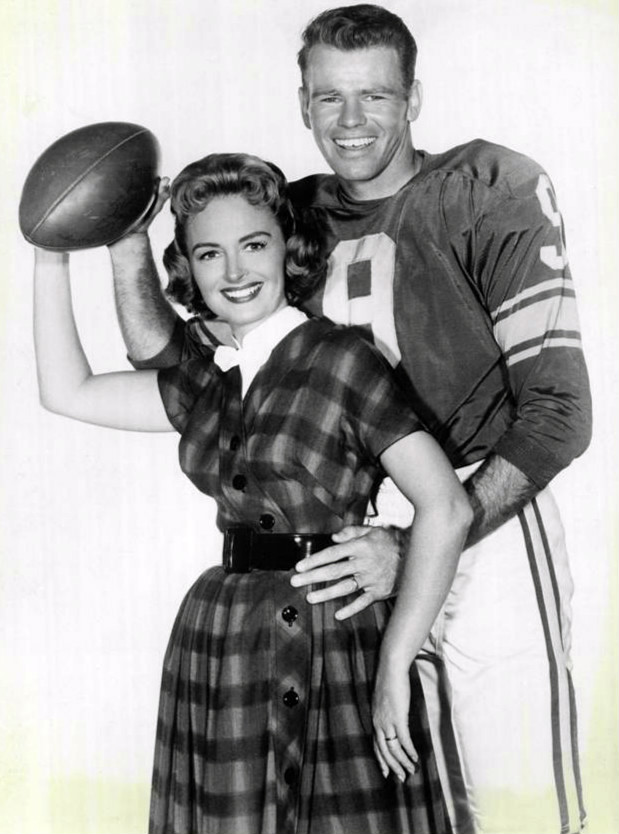


Early life and college
Wade grew up in the Nashville area and became one of the city's most celebrated athletes during his youth and college years. At Vanderbilt he was noted for his athleticism, game intelligence and leadership on the field. His collegiate play earned him recognition across the region and helped pave the way for his entry into the professional ranks.
Professional career
Wade played many seasons in the NFL, spending significant time with the Los Angeles Rams before joining the Chicago Bears. Known as a steady, cerebral signal-caller, he managed offenses with attention to timing, play selection and situational awareness. Teammates and reporters of the era often described him as a poised leader who could direct a balanced attack and make the necessary adjustments during games.
1963 championship and playing style
One of the defining moments of Wade's career was his role as the starting quarterback for the Chicago Bears' 1963 NFL championship team. That season and title remain central to his professional legacy. While not always the flashiest player statistically, Wade was respected for his command of the huddle, ability to handle pressure and for contributing to team success in a championship season.
Honors and legacy
Wade's achievements were recognized with induction into regional halls of fame, including the Tennessee Sports Hall of Fame, and frequent mention among Vanderbilt University's notable athletic alumni. He is remembered in Nashville and by the institutions he represented as one of the more accomplished players emerging from the city and the university.
Later life and death
After his playing days Wade remained connected to football through community events, alumni activities and occasional public appearances, maintaining a presence in the Tennessee sports community. He died in Nashville, Tennessee, on March 9, 2016, at the age of 85. His career is often cited in histories of mid-20th century professional football and in accounts of Vanderbilt's athletic heritage.
Related articles
Author
AlegsaOnline.com Bill Wade (American football quarterback) Leandro Alegsa
URL: https://en.alegsaonline.com/art/11495