
Baldur von Schirach: Nazi youth leader, Vienna governor, and war crimes conviction
German Nazi official Baldur von Schirach (1907–1974) led the Hitler Youth, served as Gauleiter and Reichsstatthalter of Vienna, and was convicted at Nuremberg for crimes against humanity for deportations of Jews.
Overview
Baldur Benedikt von Schirach (9 May 1907 – 8 August 1974) was a prominent official of the German National Socialist movement. Rising to national attention as the leader of the movement's youth organization, he later held regional government authority in Austria's capital. After World War II he was tried and convicted by the International Military Tribunal at Nuremberg.
Image gallery
5 Images


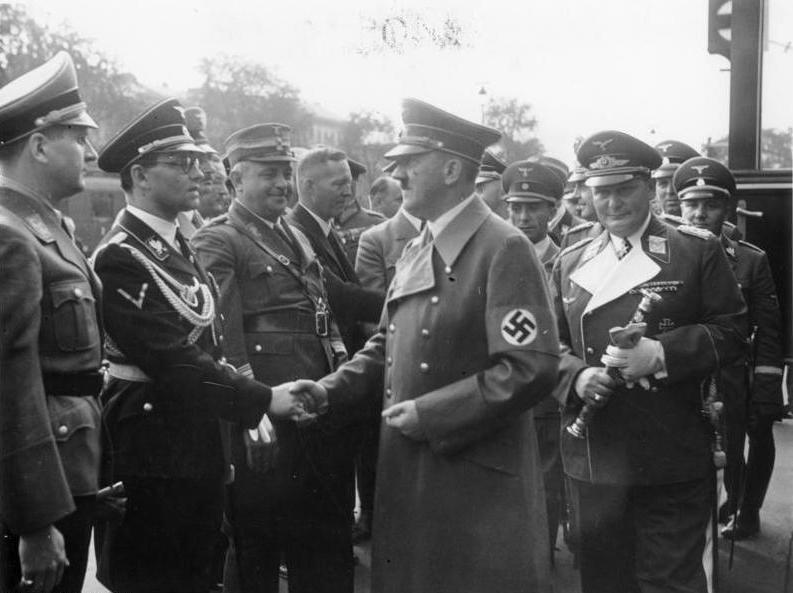

Positions and responsibilities
Schirach was appointed national head of the Hitler Youth, the organization that organized and indoctrinated young Germans into National Socialist ideology. He later served as a regional party leader (Gauleiter) and as Reichsstatthalter, the central government representative, in the city of Vienna. His official roles connected party structures, state administration and programs aimed at youth mobilization.
- Hitler Youth: national leader and organizer of youth education and paramilitary training.
- Gauleiter and Reichsstatthalter: senior party and state offices in Vienna, holding civil authority under the Nazi regime.
- Public figure: a spokesman for Nazi cultural and educational policies during his tenure.
Actions and wartime record
Under his administration in Vienna, Nazi authorities carried out policies of persecution and deportation against Jewish residents. After the Anschluss and during the following years, many Jews in Vienna were removed from the city and sent to internment and extermination centers. These deportations formed part of the charges brought against him at the postwar trials.
Trial, conviction and imprisonment
In 1945–46 Schirach was among senior defendants at the Nuremberg Trials. The tribunal found him guilty of crimes against humanity for his role in the deportations of Viennese Jews and for contributing to policies of persecution. He received a prison sentence from the court and served the term in Allied custody; he was released in the mid-1960s and died in 1974.
Legacy and historical assessment
Schirach remains a controversial figure. Histories of the Third Reich describe him both for his role in organizing youth indoctrination and for his administrative responsibility in Vienna during the Holocaust. Scholarship examines how institutions such as the Hitler Youth were used to shape a generation, and how party officials serving as Gauleiter or Reichsstatthalter implemented discriminatory policies under the broader direction of the Nazi Party. Primary and secondary sources offer further context on his speeches, writings and the proceedings at Nuremberg.
Related articles
Author
AlegsaOnline.com Baldur von Schirach: Nazi youth leader, Vienna governor, and war crimes conviction Leandro Alegsa
URL: https://en.alegsaonline.com/art/114801