
Aruna Shanbaug — Indian nurse and focus of the euthanasia debate
Aruna Shanbaug (1948–2015) was an Indian nurse who spent decades in a prolonged disorder of consciousness after a violent assault; her case prompted a landmark 2011 Indian Supreme Court decision on passive euthanasia.
Overview
Aruna Shanbaug (1 June 1948 – 18 May 2015) was a staff nurse at a public hospital in Mumbai who survived a violent assault in 1973 and remained in a prolonged disorder of consciousness for 42 years. Her situation attracted public attention not only because of the crime but also because it prompted a legal and ethical debate about end-of-life decisions in India.
Image gallery
2 Images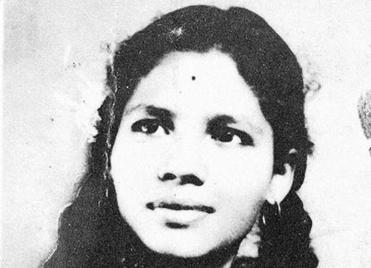

Attack, medical condition, and care
In 1973 Shanbaug was attacked while working at the hospital; the assault left her unable to regain full awareness. Medical teams described her condition as a long-term disorder of consciousness often compared to a persistent vegetative state or extended coma. For decades she received continuous nursing care, including tube feeding and supportive treatment, largely provided by colleagues and hospital staff.
Legal case and judicial outcome
Her case became the centrepiece of a public petition filed in the Indian courts seeking mercy killing on compassionate grounds. In 2011 the Supreme Court of India declined to permit the requested euthanasia for Shanbaug but issued a broader ruling that recognized the legality of passive euthanasia under strict safeguards. The court required formal procedures and medical opinion before life support could be withdrawn, shaping subsequent legal and medical practice in India.
Public reaction and ethical discussions
Shanbaug's situation sparked widespread debate about patients' rights, the responsibilities of caregivers, and how societies should treat people with severe, long-term neurological impairments. Advocates for change argued for clearer legal pathways to relieve prolonged suffering, while others emphasized the need to protect vulnerable patients from premature withdrawal of care.
Timeline and key facts
- 1948: Born.
- 1973: Attacked while on duty; left with a prolonged disorder of consciousness.
- 2011: Indian Supreme Court considered a petition regarding her life; allowed passive euthanasia in principle but rejected the plea in her specific case.
- 2015: Died after more than four decades under care.
Beyond the details of the assault, Shanbaug's legacy lies in how her circumstances forced public institutions, medical professionals and courts to confront difficult questions about dignity, consent and the limits of medical intervention. Her story continues to be cited in discussions about end-of-life law and the ethics of long-term care.
Related articles
Author
AlegsaOnline.com Aruna Shanbaug — Indian nurse and focus of the euthanasia debate Leandro Alegsa
URL: https://en.alegsaonline.com/art/114636
Sources
- bbc.com : "India rape nurse dies after 42 years"
- hindustantimes.com : "KEM nurses, dean celebrate Aruna Shanbaug's birthday"
- timesofindia.indiatimes.com : "KEM Hospital celebrates Aruna Shanbaug's 64th birthday"
- dnaindia.com : "KEM celebrates Aruna Shanbaug's 65th birthday"
- deccanherald.com : "Rebirth for Aruna, say joyous Mumbai hospital staff"
- outlookindia.com : "Ten Minutes To Hell"
- thehindu.com : "India joins select nations in legalising "passive euthanasia""
- bbc.co.uk : "Aruna Shanbaug: Brain-damaged India nurse dies 42 years after rape"
- theguardian.com : "Raped Indian nurse dies after 42 years in coma"
- news.biharprabha.com : "1973 Sexual Assault Victim Aruna Shanbaug passes away in Mumbai"