
Backpacker murders (Belangalo Forest killings)
Series of murders of seven international backpackers in Australia between 1990 and 1996, bodies found in Belangalo State Forest; investigation, trial of Ivan Milat, and lasting effects on travel safety.
Overview
The term "backpacker murders" refers to a series of killings of seven young international travellers in Australia between 1990 and 1996. The victims, commonly described as backpackers, were found in Belangalo State Forest, an area south-west of Sydney. The killer was identified as Ivan Milat, whose arrest and conviction made the case one of the country's most notorious criminal matters.
Image gallery
1 Image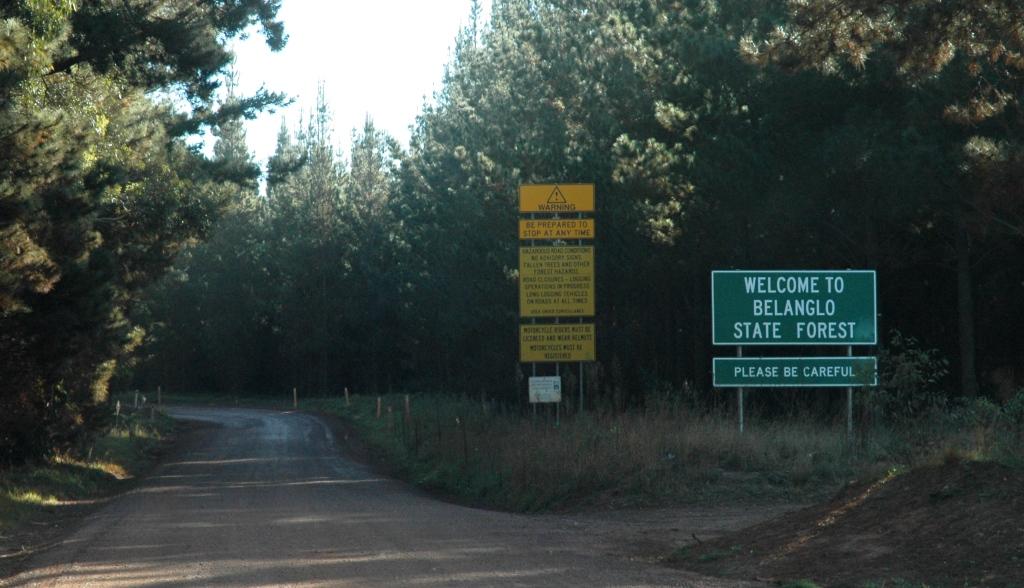
Circumstances and victims
The victims were primarily young people travelling on limited budgets, often using public transport and hitchhiking. Their disappearances and the discovery of remains over several years drew significant media attention and public concern. Coroners and police investigations concluded that the deaths were the result of violent homicides; some victims showed signs consistent with assault.
Investigation and trial
Police inquiries into the disappearances involved multiple jurisdictions and lengthy forensic work. After an intensive investigation, a suspect was arrested and brought to trial in the mid-1990s. In 1996 the defendant was convicted on multiple counts of murder and received life imprisonment. The case highlighted investigative challenges when victims are foreign nationals who move frequently and have limited local connections.
Legacy and impact
The killings had a wide-ranging effect on travel culture and public policy. Authorities and travel organisations reinforced safety advice for independent travellers, especially about hitchhiking and sharing rides with strangers. The case prompted reflection on policing, cross‑border cooperation, and victim support for transient populations. Media coverage, books and documentaries have continued to discuss the events, their investigation and the broader social implications.
Notable facts
- The remains of the victims were discovered in the same forested area, which became strongly associated with the case.
- The perpetrator was subject to a high-profile criminal trial and received multiple life sentences.
- The events led to increased safety warnings aimed at backpackers and travellers worldwide and ongoing public interest in cold-case reviews.
For further historical context and official information about travel safety and policework related to the case, see resources from Australian authorities and reputable news archives. Additional regional information may be found via national resources about crime and public safety in Australia.
Questions and answers
Q: How many people were killed in the backpacker murders?
A: A total of seven people were killed.
Q: What is the term used to refer to the murders?
A: The events are known as backpacker murders.
Q: Where were the bodies of the victims found?
A: All of the bodies were found in Belangalo State Forest, which is close to Sydney.
Q: Who was responsible for the murders?
A: Ivan Milat killed all of the people.
Q: When did the murders take place?
A: The murders took place between 1990 and 1996.
Q: Were the victims locals or foreigners?
A: The victims were backpackers, which suggests they were foreigners traveling in Australia.
Q: Is Ivan Milat still alive?
A: No, Ivan Milat died in prison in 2019.
Related articles
Author
AlegsaOnline.com Backpacker murders (Belangalo Forest killings) Leandro Alegsa
URL: https://en.alegsaonline.com/art/114793