
Anton Graff: Swiss Portrait Painter of the Classical Era
Anton Graff (1736–1813) was a Swiss-born portraitist of the Classical period, active mainly in Dresden and known for psychologically acute likenesses of leading figures and refined, naturalistic technique.
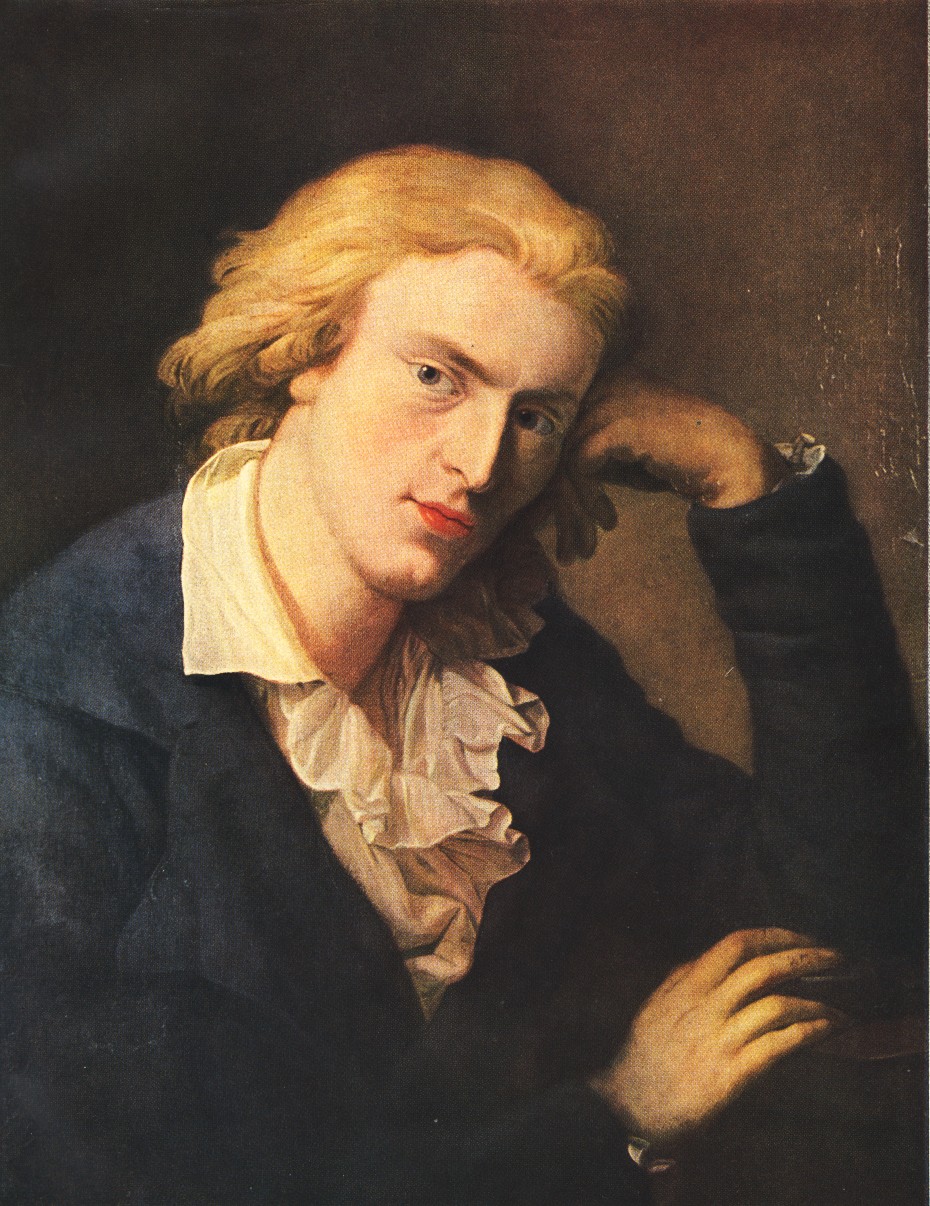
Anton Graff (18 November 1736 – 22 June 1813) was a Swiss painter best known for his portrait work within the aesthetic currents often grouped under Classicism. Born in Winterthur, he established a reputation for producing direct, characterful likenesses of nobles, civic leaders and cultural figures. Graff is remembered as one of the foremost portraitists of the German-speaking world in the late eighteenth century.
Image gallery
10 Images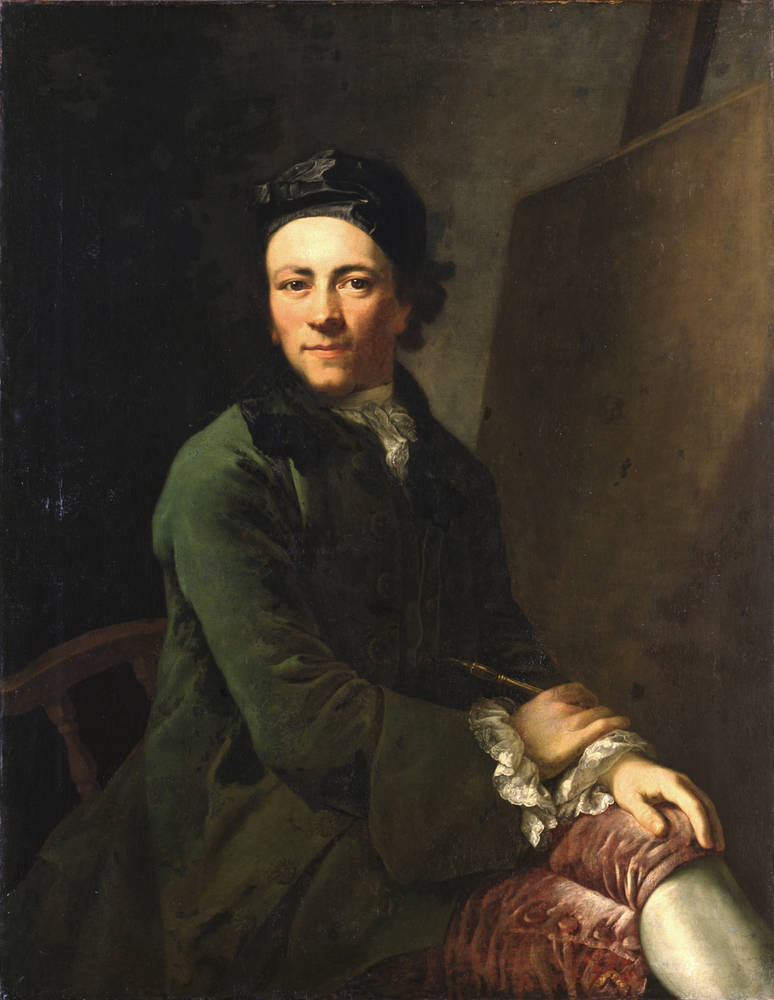


Life and career
Graff trained in Switzerland and then moved to centres of artistic patronage in what is now Germany, ultimately making his career in Dresden. There he received commissions from aristocratic households, civic institutions and private patrons. His professional success rested on a steady stream of portrait work that combined rapid execution with carefully observed physiognomy, enabling a prolific output and wide acclaim during his lifetime.
Style and subjects
Graff’s portraits are noted for their emphasis on the sitter’s face and hands, restrained use of color, and a clear, readable handling that balanced naturalism with classical restraint. Backgrounds are often simple, keeping attention on expression and posture. He favored half-length or bust formats and his approach aimed to convey both external appearance and inner character — a psychological presence prized by his patrons.
His sitters included prominent intellectuals, artists and public figures of the Enlightenment era as well as members of the court and upper bourgeoisie. Many of these works functioned as official likenesses, commemorative images, or tokens of social standing.
Legacy and notable facts
Graff’s paintings remain important for historians of portraiture and of the cultural life of Central Europe in the late eighteenth century. Examples of his work are preserved in regional museums and collections where they are studied for their technique and documentary value. Key points about Graff’s practice include:
- Focus on psychologically informed likenesses rather than theatrical poses.
- Economy of palette and clear drawing to support facial expression.
- Widespread patronage in Dresden and surrounding courts.
For readers seeking broader context, Graff’s career intersects with changing tastes in portraiture and the public role of artists during the transition to modern cultural institutions. Further reading on period portrait practice can be found via general resources on portrait painting.
Related articles
Author
AlegsaOnline.com Anton Graff: Swiss Portrait Painter of the Classical Era Leandro Alegsa
URL: https://en.alegsaonline.com/art/114473