
Bill Buckner: Career, 1986 World Series Moment, and Legacy
Overview of Bill Buckner, the Major League first baseman (1969–1990), his teams and achievements, the 1986 World Series error, and his later life and legacy.
Overview
William Joseph Buckner was an American professional athlete best known for a long Major League career as a first baseman from 1969 until 1990. Raised in northern California, he spent more than two decades as a regular big-league player and is remembered both for steady production at the plate and for one of baseball's most famous postseason moments. For general context on the sport he played, see professional baseball and the role of a first baseman in Major League Baseball.
Image gallery
5 Images



Playing career and achievements
Buckner reached the majors in 1969 and appeared with several clubs during his career. He spent time with the Los Angeles Dodgers, Chicago Cubs, Boston Red Sox, California Angels and the Kansas City Royals at various points. His longevity and consistency brought recognition: he won a batting title in 1980 and was selected as an All-Star in 1981, representing the Cubs at the All-Star Game. A typical outline of his career includes steady contact hitting, good plate discipline, and the ability to play regularly over many seasons.
1986 World Series and the famous error
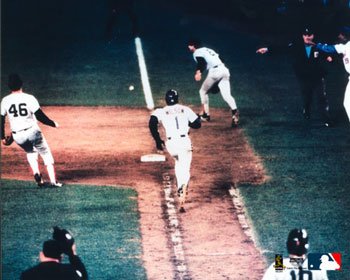
Buckner is widely associated with Game 6 of the 1986 World Series, when the Boston Red Sox faced the New York Mets. In the tenth inning, a slow roller by Mookie Wilson went between Buckner’s legs, allowing the winning run to score and forcing a Game 7, which the Mets won. The play became an iconic moment in sports because it changed the series outcome and because it occurred in a high-pressure, nationally televised situation. That single play overshadowed many years of accomplishment and shaped how fans remember Buckner for decades.
Legacy and later perception
Although the 1986 error became the dominant public memory for a long time, baseball historians and many fans also note Buckner’s durability and offensive contributions over 22 seasons. In later years he received public gestures of forgiveness from some fans and was invited to events honoring past players, reflecting a broader reassessment of his career beyond one play. Discussions of Buckner’s legacy often contrast a single defining moment with a lengthy record of steady professional play.
Personal life and death
Buckner was born in Vallejo, California, and maintained ties to family throughout his life; he and his wife raised three children. After retiring from the majors he lived away from the spotlight for periods of time but remained connected to baseball communities. Buckner died on May 27, 2019 in Boise, Idaho. Medical reports cited complications from Lewy body dementia as the cause of death; he was 69.
Notable facts and distinctions
- Long major-league career spanning 1969–1990 and multiple teams (Dodgers, Cubs, Red Sox, Angels, Royals).
- Won a batting title in 1980 and was an All-Star in 1981 (All-Star Game).
- The 1986 World Series error remains one of baseball’s most referenced postseason moments (1986 World Series, New York Mets).
- Born in Vallejo, passed away in Boise.
For further reading about Buckner’s life, career statistics and place in baseball history consult specialized biographies and archival resources on the sport and its seasons during his active years (career overview).
Related articles
Author
AlegsaOnline.com Bill Buckner: Career, 1986 World Series Moment, and Legacy Leandro Alegsa
URL: https://en.alegsaonline.com/art/11443
Sources
- espn.com.au : "Bill Buckner dies at 69 after battling dementia"