
Anne, Queen of Great Britain (1665–1714)
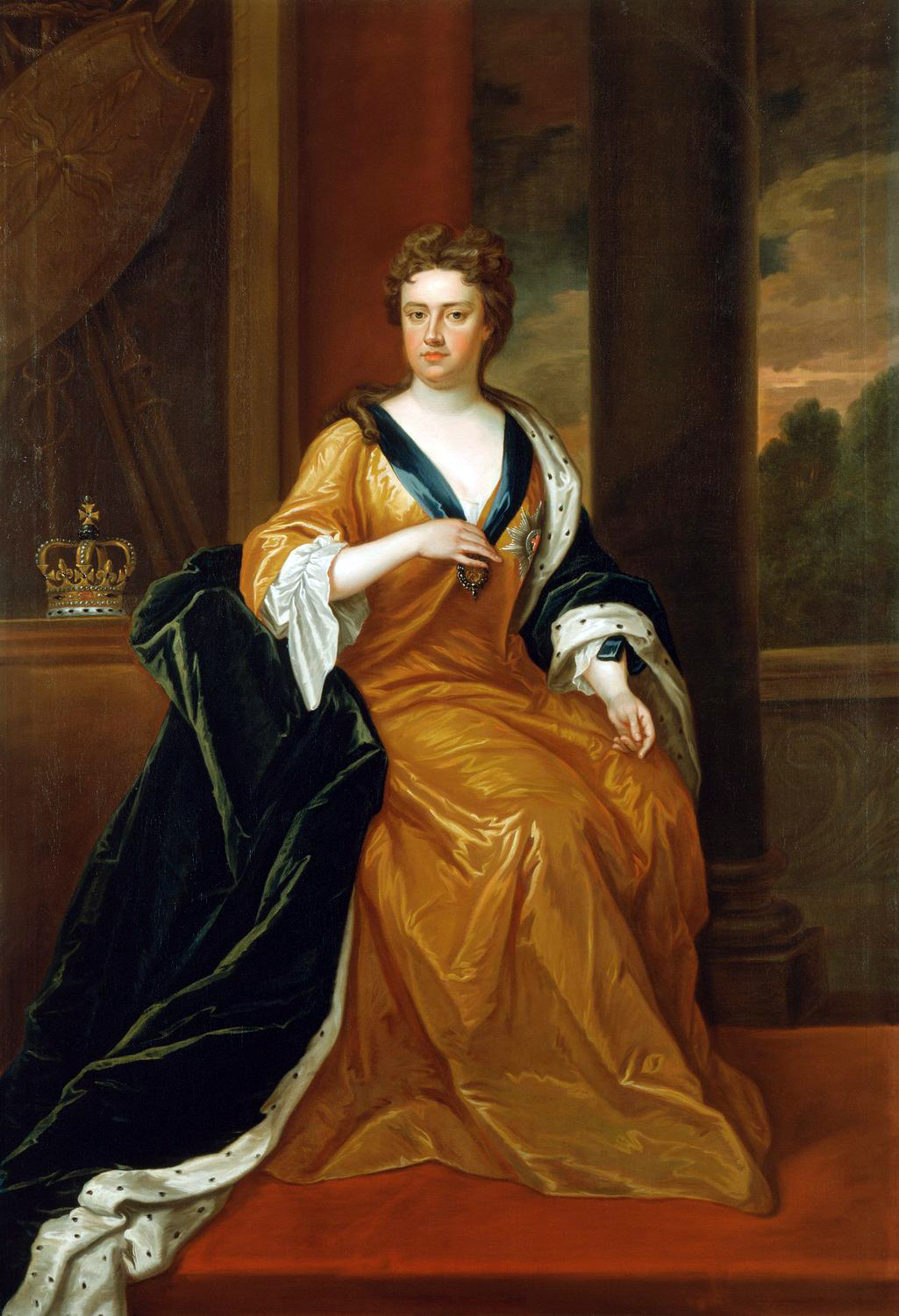
Anne was the last Stuart monarch and the first sovereign of the unified Kingdom of Great Britain. Her reign saw the 1707 Union, the War of the Spanish Succession, and shifting party politics under powerful ministers.
Overview
Anne (6 February 1665 – 1 August 1714) succeeded to the thrones of England, Scotland and Ireland in March 1702. In 1707 Parliament passed the Acts of Union, joining England and Scotland into the single Kingdom of Great Britain; Anne was the first monarch of that united realm. Her reign is most often remembered for the creation of the new state, prolonged warfare on the continent, and intense domestic political rivalry between Whigs and Tories.
Image gallery
10 Images



Early life and marriage
Born into the House of Stuart, Anne was the daughter of James, Duke of York (later James II) and Anne Hyde. She married Prince George of Denmark in 1683; the marriage was a longstanding political and personal partnership. Anne experienced repeated pregnancies and many infant deaths; no child survived to inherit the crown, which shaped later succession arrangements.
Reign, ministers and war
Anne's government was dominated by leading ministers and generals who guided policy during a turbulent period. Early in her reign the ministry of Lord Godolphin and the military leadership of John Churchill, Duke of Marlborough, were central to British strategy in the War of the Spanish Succession (a major European conflict over dynastic succession and balance of power). Later shifts in favor and influence brought politicians such as Robert Harley into prominence. Party competition between Whigs and Tories influenced appointments, foreign policy, and domestic reform.
Acts of Union and constitutional importance
The Acts of Union (1707) united the English and Scottish Parliaments and created a single parliament at Westminster. The union had deep economic, political and legal consequences and remains one of Anne's most enduring legacies. Her childlessness and the wider Protestant concern about dynastic continuity led to the Act of Settlement (1701) and ultimately the Hanoverian succession after Anne's death, ending the direct Stuart line on the British throne.
Personal life, health and legacy
Anne was known for her devout Anglicanism, her loyalty to friends and occasional volatile private relationships—most famously with Sarah Churchill, Duchess of Marlborough, whose falling-out with the queen affected court politics. Anne suffered chronic health problems, including repeated illnesses and mobility issues in later life. Historically she is portrayed as a dutiful monarch who presided over important constitutional change while dependent on strong ministers to conduct war and manage factional politics.
Notable facts
- She is the last monarch of the House of Stuart to rule in Britain.
- Her reign included the creation of the Kingdom of Great Britain in 1707.
- She left no surviving children, which shaped the succession to the House of Hanover.
Related articles
Author
AlegsaOnline.com Anne, Queen of Great Britain (1665–1714) Leandro Alegsa
URL: https://en.alegsaonline.com/art/114288