
Almazbek Atambayev
Kyrgyz politician who served as Prime Minister and as President of Kyrgyzstan (2011–2017); leader of the Social Democratic Party and a central figure in post-2010 Kyrgyz politics.
Overview
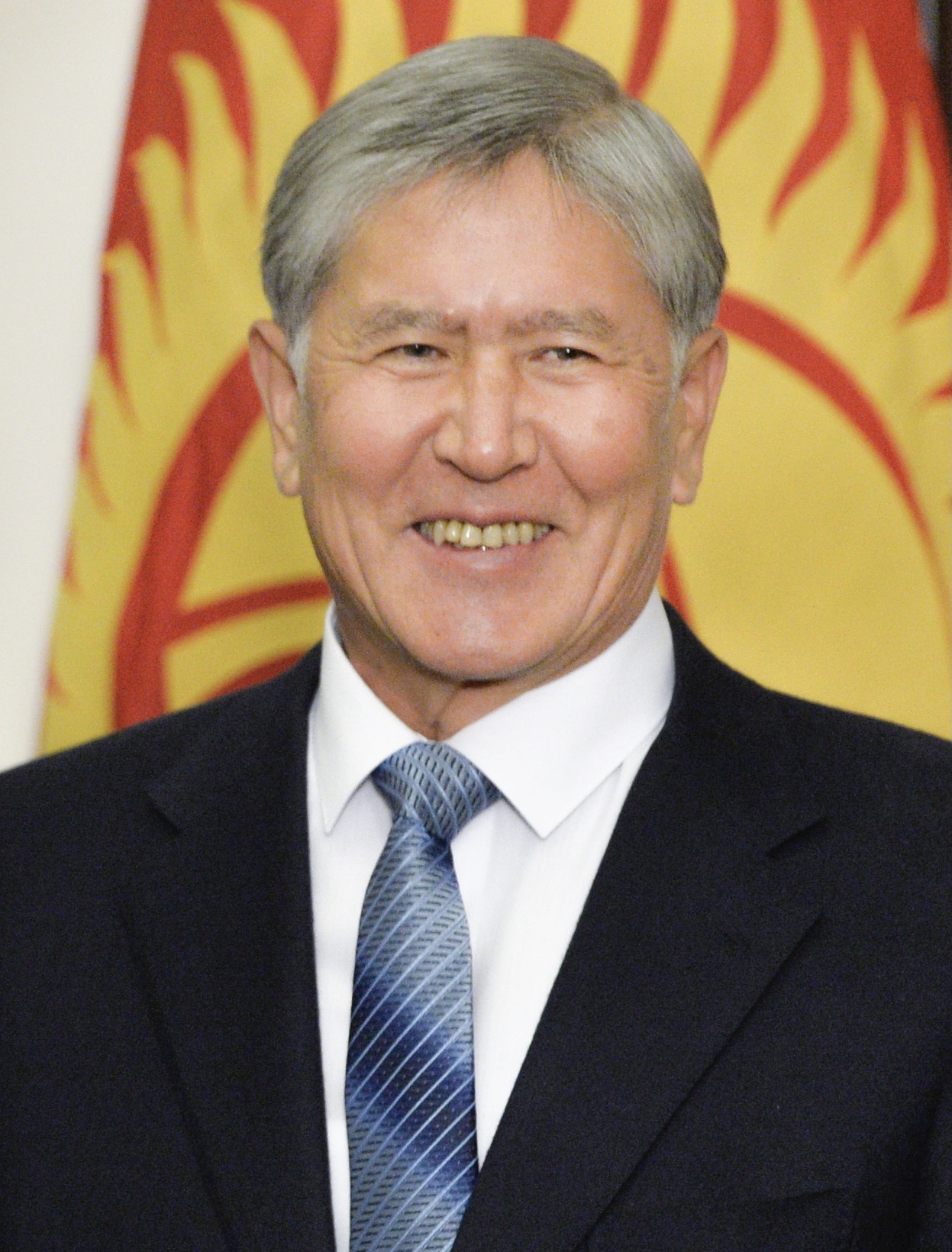
Almazbek Sharshenovich Atambayev (born 17 September 1956) is a Kyrgyz politician best known for serving as President of Kyrgyzstan from 1 December 2011 to 24 November 2017. He also served two terms as Prime Minister, briefly in 2007 and again from December 2010 to December 2011. Atambayev was a leading figure in the Social Democratic Party of Kyrgyzstan and played a prominent role in the turbulent politics of the country after the 2010 uprising.
Image gallery
10 Images


Political career and offices
Atambayev rose to national prominence through party politics and coalition-building in the 2000s. He held the premiership during two separate periods and then won the presidency in late 2011. His time in office came after Kyrgyzstan adopted a new constitution in 2010 that reduced presidential powers and strengthened parliament; Atambayev governed within that changed institutional framework.
- Prime Minister: March–November 2007; December 2010–December 2011
- President: December 2011–November 2017 (presidency)
Policies and international relations
During his presidency Atambayev emphasized political stability, social spending, and efforts to strengthen state institutions after years of upheaval. His administration pursued closer ties with regional partners, most notably Russia. Under his leadership Kyrgyzstan joined the Eurasian Economic Union in 2015, a move framed as a step to deepen economic integration with neighboring states and secure foreign investment.
Later developments and controversies
After leaving office Atambayev remained an influential and polarizing figure in Kyrgyz politics. He had a public rivalry with his successor that culminated in legal investigations and a widely reported arrest in 2019 on charges related to alleged corruption and abuses of power. Supporters and critics offered sharply different interpretations of these events—supporters called the actions politically motivated, while authorities said they were enforcing the rule of law.
Significance and legacy
Atambayev's tenure is often seen as part of Kyrgyzstan's broader post-Soviet transition: he governed during a period when constitutional reforms shifted the balance of power toward parliament, and he sought to balance domestic social policies with pragmatic international partnerships. His presidency and subsequent legal troubles remain subjects of debate within Kyrgyz political discourse and among international observers interested in Central Asian governance.
For the Kyrgyz-language rendering of his name and additional biographical details see the native form: Kyrgyz name.
Related articles
Author
AlegsaOnline.com Almazbek Atambayev Leandro Alegsa
URL: https://en.alegsaonline.com/art/113877