
Alex Jones (American radio host and media figure)
American radio host and publisher known for The Alex Jones Show and InfoWars; a polarizing figure who promotes conspiracy theories and has faced legal rulings and platform bans.
Alex Jones (born February 11, 1971) is an American radio broadcaster and internet publisher. He became widely known for hosting a syndicated talk program, producing online content, and operating outlets that promoted political commentary and conspiracy theories. Jones has described his own politics as paleoconservative and an "aggressive constitutionalist," while mainstream outlets typically place him on the right of the political spectrum.
Image gallery
7 Images


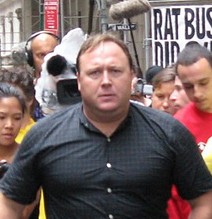
Career and broadcasts
Jones rose to prominence through local radio and later through nationally syndicated programming. He is best known as the presenter of The Alex Jones Show and as the founder of the InfoWars media brand. His output combined interviews, monologues, and commentary on national politics and current events, distributed by radio syndication and online platforms. Jones has often used the terms radio and talk show to describe his format, and he has referred to himself as the host of a program that challenges mainstream news narratives.
Views, rhetoric, and themes
Jones advanced a range of controversial claims and themes, including conspiratorial interpretations of major events and government motives. Notable topics he promoted included alternative explanations for the September 11 attacks and allegations about mass-shooting incidents. He has emphasized distrust of federal institutions and often framed issues in terms of threats to liberty and the Constitution. Jones publicly identified with paleoconservative ideas and used the label Texas native in biographical references.
Controversies and legal rulings
Jones became a polarizing public figure because of the repetition of demonstrably false claims about specific tragedies and public events. Survivors and families of victims have brought civil suits alleging defamation and emotional harm; in various legal proceedings, courts found Jones liable in cases related to false assertions about a school shooting. In response to his statements and legal findings, multiple major online platforms implemented bans or restrictions on his accounts and channels. Observers described these actions as part of broader debates over speech, misinformation, and platform responsibility. References to his tendency toward conspiracy narratives frequently appear in reporting and commentary about these developments.
Impact and public perception
Jones's audience included listeners who sought alternative news and sceptical takes on mainstream media, while critics emphasized the harms caused by amplified falsehoods. His case is often cited in discussions about the limits of free expression, the role of private companies in moderating content, and the legal remedies available to those targeted by false allegations. Jones's prominence also illustrates how radio and internet distribution can intersect to create influential, if contentious, media personalities.
Notable distinctions
- Longtime operator of a syndicated radio program and online publishing platform (show and related outlets).
- Self-identifies with traditionalist conservative labels and constitutionalist rhetoric (paleoconservative, Texas background).
- Subject of high-profile defamation litigation and of content-moderation measures by major technology platforms (radio, talk).
Because of the legal, ethical, and technological questions surrounding his career, Alex Jones remains a frequently discussed and studied example in media studies, law, and public policy debates.
Related articles
Author
AlegsaOnline.com Alex Jones (American radio host and media figure) Leandro Alegsa
URL: https://en.alegsaonline.com/art/113732
Sources
- post-gazette.com : "Archived copy"
- roanoke.com : roanoke.com/news/roanoke/wb/207454.html
- austinchronicle.com : "Page Two - Columns - The Austin Chronicle"
- pqasb.pqarchiver.com : pqasb.pqarchiver.com
- slate.com : "Where Did 9/11 Conspiracies Come From?"
- gcnlive.com : "Archived copy"
- rollingstone.com : "Meet Alex Jones, the Talk Radio Host Behind Charlie Sheen's Crazy Rants"
- austinchronicle.com : "Psst, It's a Conspiracy: KJFK Gives Alex Jones the Boot Media Clips"
- independent.co.uk : "Branch Davidians hope a new church can close wounds"
- austinchronicle.com : "Best of Austin 1999 Readers Poll"
- nl.newsbank.com : "Nine to seek Greenberg's House seat"
- imdb.com : "Are You Practicing Communism?"