
Alexis de Tocqueville: French Historian and Analyst of Democracy
19th‑century French political thinker, historian and diplomat best known for Democracy in America and The Old Regime and the Revolution; influential analyst of equality, civil society, and modern institutions.
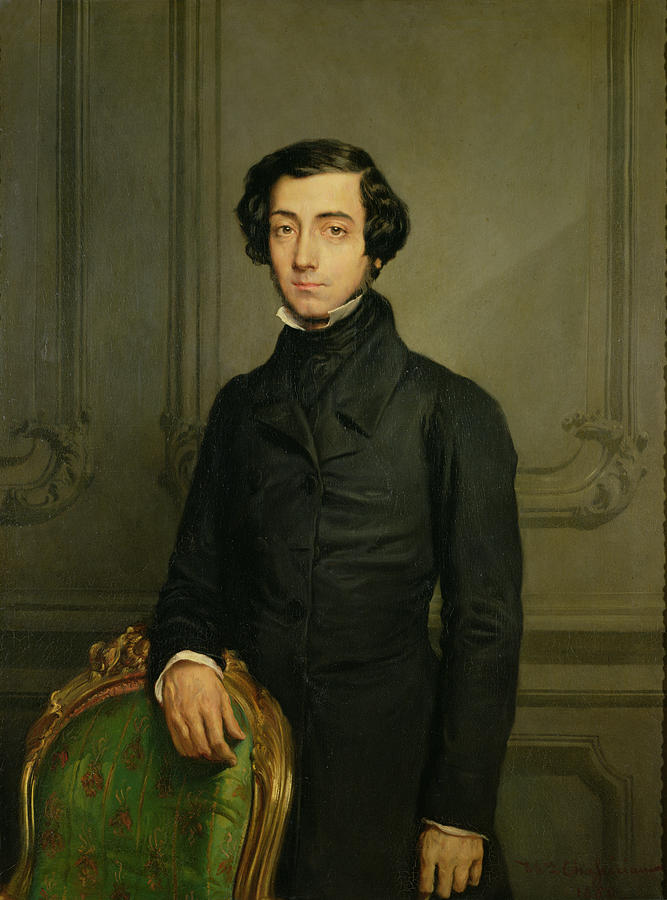
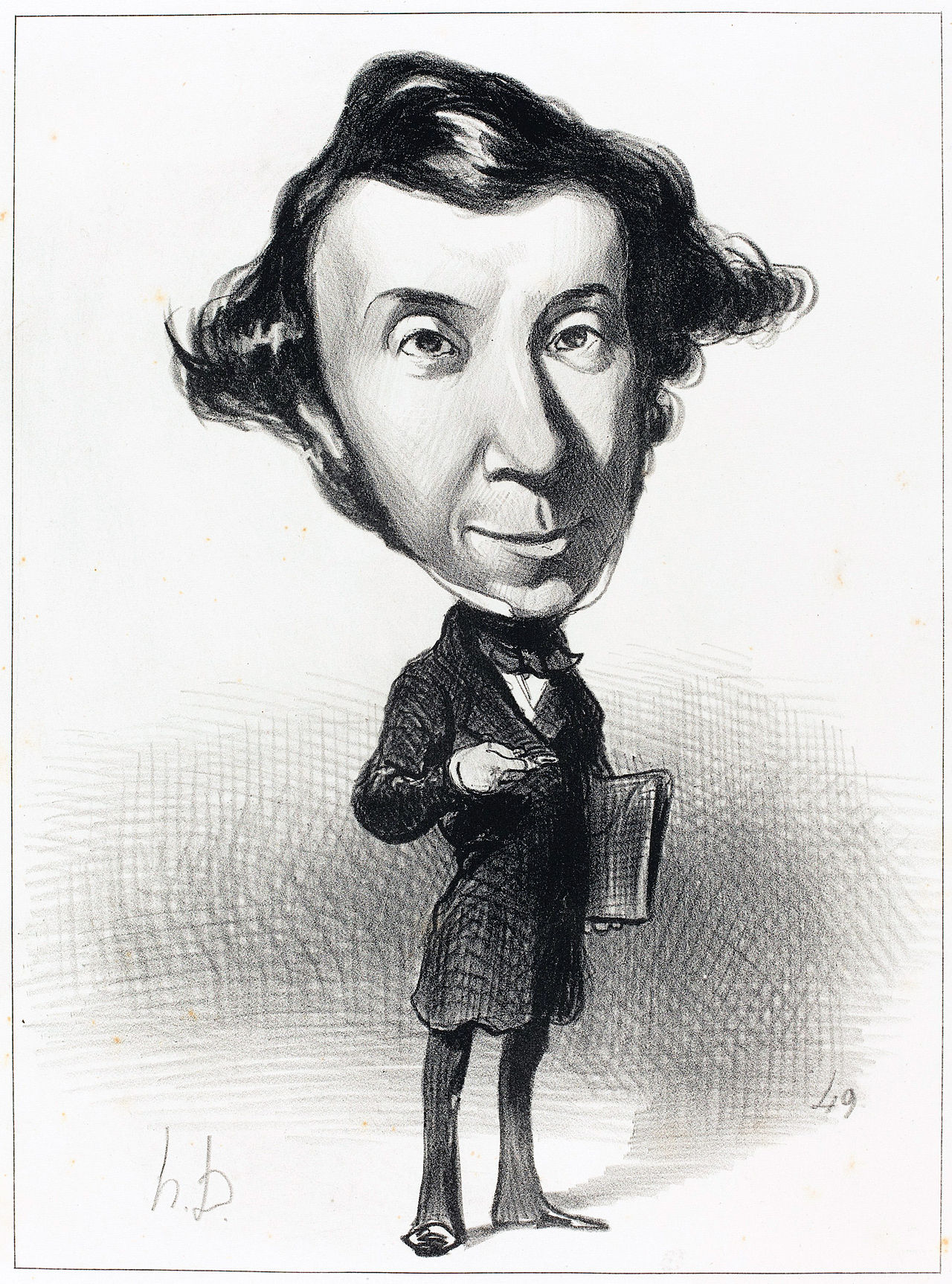
Alexis de Tocqueville (1805–1859) was a French aristocrat, magistrate, diplomat, historian and political thinker whose writings remain central to studies of democracy, revolution and modern society. He is most famous for Democracy in America, published in two volumes (1835 and 1840), and for The Old Regime and the Revolution (1856). His work combined close observation, comparative analysis and historical interpretation to explore how political institutions and social habits shape liberty and equality.
Image gallery
8 Images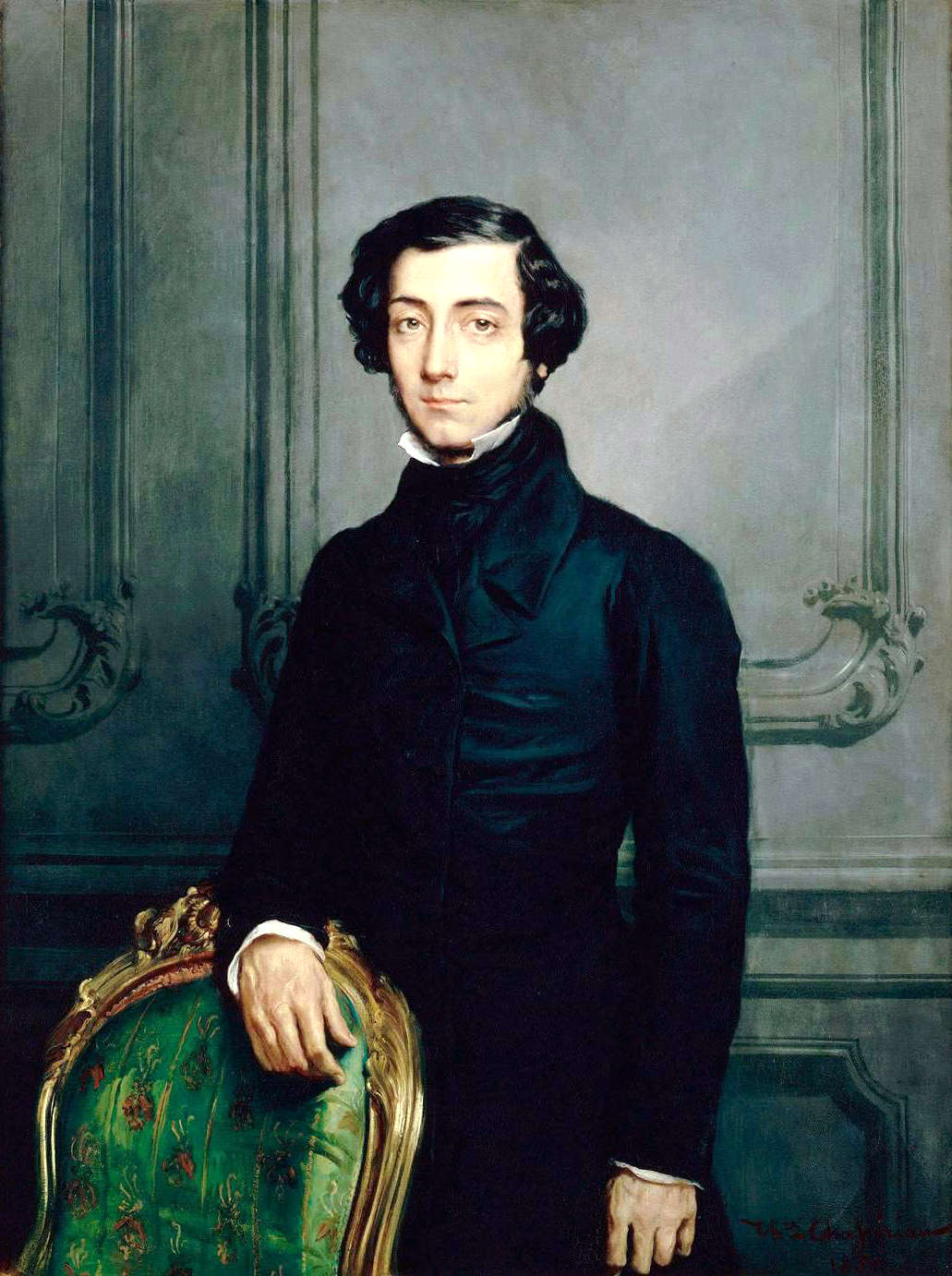




Biography
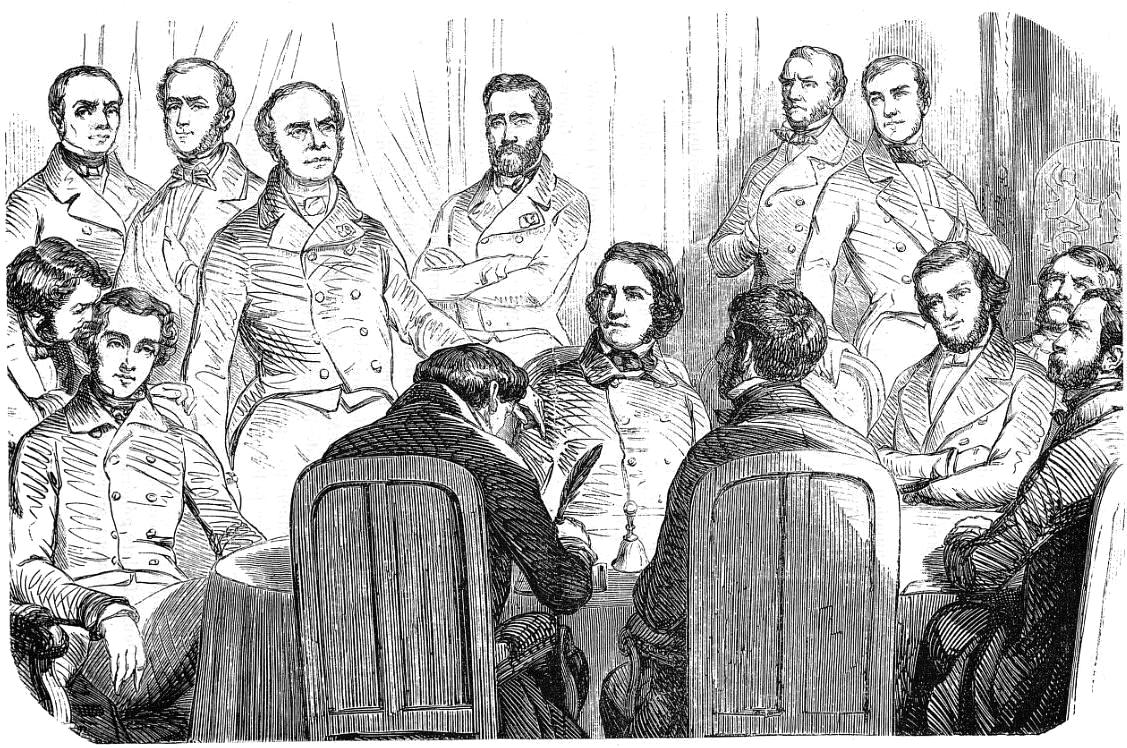
Tocqueville came from provincial Norman nobility and trained in law. In 1831–1832 he traveled to the United States to study the American penal system; the trip grew into a broader inquiry into American society, politics and institutions. After returning to France he served in elected office and held diplomatic posts, while continuing to write and to take a public role in debates about democracy, reform and the legacy of the French Revolution. He published major works over the course of the 1830s–1850s and died in 1859.
Principal works and themes
His major writings examine several recurring concerns:
- Equality and democracy: how the social condition of equality alters political life, manners and expectations.
- Tyranny of the majority: risks that democratic majorities may suppress minorities or individual judgment.
- Civil society and associations: the role of local self‑government, voluntary associations and religion in checking central power and cultivating civic habits.
- Continuity and change: in The Old Regime and the Revolution he traced administrative centralization and cultural continuities between ancien régime France and post‑revolutionary structures.
Method and influence
Tocqueville combined travel observation, interviews, statistical material and historical comparison rather than abstract theorizing. His balanced attention to institutions, culture and individual psychology influenced political science, sociology and history. Scholars and public intellectuals invoke his concepts—especially the dangers of majority rule, the balancing role of civil associations, and the interaction of equality and freedom—when analyzing modern democracies.
Legacy and notable facts
Although a member of the aristocracy, Tocqueville championed liberal reforms and probed the tensions between equality and liberty. He resisted utopian prescriptions and often warned against simplistic optimism about democracy. His style blends analytic caution with vivid description. For further reading on his life and selected texts see biography and selected works.
Related articles
Author
AlegsaOnline.com Alexis de Tocqueville: French Historian and Analyst of Democracy Leandro Alegsa
URL: https://en.alegsaonline.com/art/113713
Sources
- dx.doi.org : 10.1017/S003467050002742X
- dictionary.com : "Tocqueville"