
Alexis Carrel — surgeon and pioneer of vascular sutures and organ research
French surgeon Alexis Carrel (1873–1944) developed techniques for joining blood vessels and early organ culture, earning the 1912 Nobel Prize; his scientific legacy is mixed with controversial political views.
Overview
Alexis Carrel (28 June 1873 – 5 November 1944) was a French surgeon and experimentalist whose laboratory work in the early 20th century advanced techniques for repairing and transplanting tissues. He received the Nobel Prize in Physiology or Medicine in 1912 for methods that made reliable vascular sutures and transplant procedures possible.
Image gallery
8 Images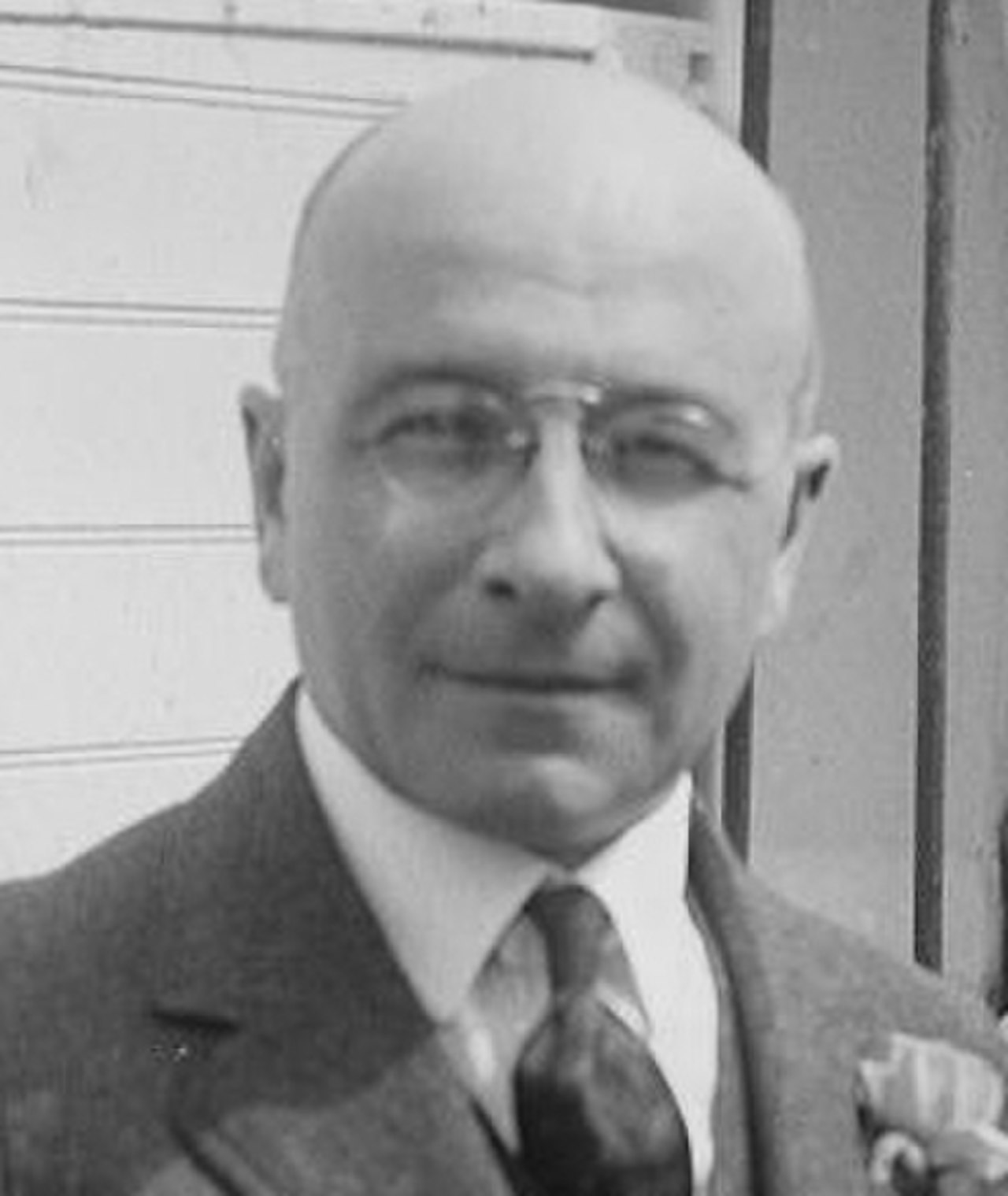


Major contributions
- Development of fine vascular suturing methods and anastomosis techniques that allowed delicate joining of small arteries and veins, which are fundamental to modern transplant and vascular surgery.
- Innovations such as the triangulation suturing approach and surgical patches often associated with his name that improved graft attachment and organ perfusion.
- Work on maintaining tissues and organs outside the body, including laboratory perfusion systems developed in collaboration with engineers and inventors, aimed at preserving organs for study and transplant.
Career and development
Carrel trained and worked in France before spending years at research institutions abroad, where he combined surgical practice with laboratory experiments. His techniques for suturing blood vessels reduced bleeding and thrombosis, enabling surgeons to attempt more complex reconstructions and early organ transplants. The Nobel Committee recognized these practical advances that directly improved operative success and patient survival.
Uses, influence and examples
The methods Carrel developed underpin many routine procedures in present-day medicine: vascular grafting, coronary bypass, organ transplantation and microsurgery. His approaches to keeping tissues viable ex vivo influenced later work in organ preservation, perfusion technology and tissue engineering. Collaborations with contemporaries produced prototypes of pumps and culture chambers that anticipated later biomedical devices.
Controversy and legacy
Alongside scientific achievements, Carrel expressed political and social opinions, including advocacy of eugenic ideas in writings that remain controversial. His public statements and some associations have prompted debate about separating scientific contribution from personal ideology. Despite that, his surgical techniques and laboratory methods continued to shape medical practice, and many principles he introduced are still taught in surgical training.
Notable facts
- Winner of the 1912 Nobel Prize in Physiology or Medicine for work that made vascular and organ surgery more reliable.
- Authored both technical papers and popular books; his scientific legacy is paired with contested social views.
- Techniques bearing his name remain part of the historical foundation of transplant surgery and vascular repair.
Related articles
Author
AlegsaOnline.com Alexis Carrel — surgeon and pioneer of vascular sutures and organ research Leandro Alegsa
URL: https://en.alegsaonline.com/art/113712
Sources
- nobelprize.org : "Biography of Alexis Carrel"
- nobelprize.org : "The Nobel Prize in Physiology or Medicine 1912"